Hirokazu Koreeda
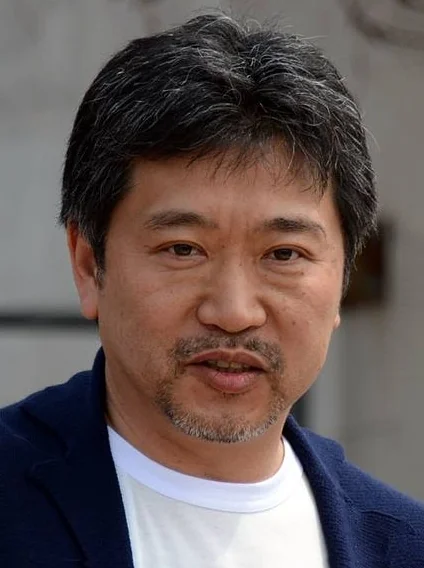
Image from Wikipedia
Image from Wikipedia
Hirokazu Kore-eda – Master of Quiet Emotion, Chronicler of Family Breaks, and One of Japan's Most Significant Auteur Filmmakers
A Director Who Makes the Invisible Visible
Hirokazu Kore-eda, born on June 6, 1962, in Kiyose in Tokyo Prefecture, is regarded as one of the most influential contemporary Japanese filmmakers. As a director, screenwriter, film editor, and producer, he has earned an international reputation as a sensitive observer of family, loss, social belonging, and quiet dignity. His films combine precise composition, understated direction, and an extraordinary proximity to their characters. ([en.wikipedia.org](https://en.wikipedia.org/wiki/Hirokazu_Kore-eda?utm_source=openai))
Biographical Roots and Artistic Awakening
After graduating from Waseda University in 1987, Kore-eda began his career in Japanese television before turning to cinema, quickly emerging as an independent voice. Early on, his interest in documentary accuracy and narratives that rely on observation rather than effects became evident. This attitude shapes the entirety of his film career – if one may call it that – as a consistently developed work about human relationships that never submits to the noise of the market. ([senscritique.com](https://www.senscritique.com/liste/le_video_club_du_genial_hirokazu_kore_eda/2604665?utm_source=openai))
Even his early works highlighted how strongly Kore-eda is interested in the transitions between documentary and fiction. With films like Maborosi, After Life, and later Nobody Knows, he established a cinematic language that does not ennoble the everyday but rather makes it audible with great calm and precise dramaturgy. This quiet intensity became his trademark and the foundation of his international authority. ([facebook.com](https://www.facebook.com/?locale=ja_JP&utm_source=openai))
The International Breakthrough: From Festival Fame to Worldwide Recognition
The international breakthrough came via major festivals. After Life brought Kore-eda early global attention in 1998, opening up an international audience that immediately recognized his lyrical yet analytical style. By the time of Nobody Knows, Still Walking, and Like Father, Like Son, a once-hidden gem had emerged as a globally regarded auteur filmmaker, whose works regularly screen at major festivals. ([en.wikipedia.org](https://en.wikipedia.org/wiki/Sheep_in_the_Box?utm_source=openai))
Particularly the festival journey of Like Father, Like Son and Shoplifters underscores Kore-eda's stature. Shoplifters won the Palme d'Or at Cannes in 2018, while Like Father, Like Son had already received the Jury Prize at Cannes in 2013. These successes not only mark high points in his career but also a rare continuity of artistic excellence over several decades. ([senscritique.com](https://www.senscritique.com/liste/le_video_club_du_genial_hirokazu_kore_eda/2604665?utm_source=openai))
Filmography as a Reflection of Social Reality
Kore-eda's filmography demonstrates remarkable consistency: Again and again, he centers family models, parenthood, grief, poverty, and the fragility of social bonds. The BFI describes his work as one in which family is almost always marked by a gap, a loss, or an absence. It is precisely here that the emotional and social power of his productions lies – they not only tell stories but also examine how people live together in precarious circumstances. ([facebook.com](https://www.facebook.com/?locale=ja_JP&utm_source=openai))
Films like Still Walking, Our Little Sister, The Third Murder, and The Truth showcase a strong stylistic range within a clearly recognizable cosmos. Kore-eda often employs understated shots, controlled rhythm, and an ensemble performance that focuses on subtle nuances rather than grand gestures. His direction thrives on glances, pauses, and what remains unsaid between characters. ([en.wikipedia.org](https://en.wikipedia.org/wiki/Still_Walking?utm_source=openai))
Style, Directorial Signature, and Cinematic Composition
In Kore-eda's direction, precise dramaturgy merges with an almost literary observational talent. His compositions feel calm, yet never static; they provide space for the characters and allow conflicts to arise from within. This balance between restraint and emotional depth has earned him the reputation of a master of modern humanism. ([facebook.com](https://www.facebook.com/?locale=ja_JP&utm_source=openai))
As an editor, Kore-eda also significantly shapes the tone of his films. The editing rarely follows spectacular breaks but instead flows organically, connecting everyday life, memory, and vulnerability. Critics often describe his work as strictly controlled yet deeply empathetic; this combination makes his films equally fascinating for cinephiles and festival audiences. ([cdn.festival-cannes.com](https://cdn.festival-cannes.com/media/uploads/2023/03/143581.pdf?utm_source=openai))
Critical Reception and Cultural Influence
For years, international film critics have recognized Kore-eda as one of the most important narrators of contemporary Japanese cinema. His works regularly appear in the programs of Cannes, Toronto, Venice, and other major festivals; reactions range from deep respect to enthusiastic admiration. Voices from film criticism frequently emphasize his ability to shape a great emotional truth from small scenes. ([facebook.com](https://www.facebook.com/?locale=ja_JP&utm_source=openai))
His cultural influence extends beyond Japan. Kore-eda has not only worked with Japanese material but has also narrated internationally in different production contexts, including works like The Truth and Broker. This openness showcases an artist who is stylistically rooted yet explores new spaces without losing his signature. ([thefilmagazine.com](https://www.thefilmagazine.com/hirokazu-koreeda-where-to-start/?utm_source=openai))
Recent Projects and New Releases
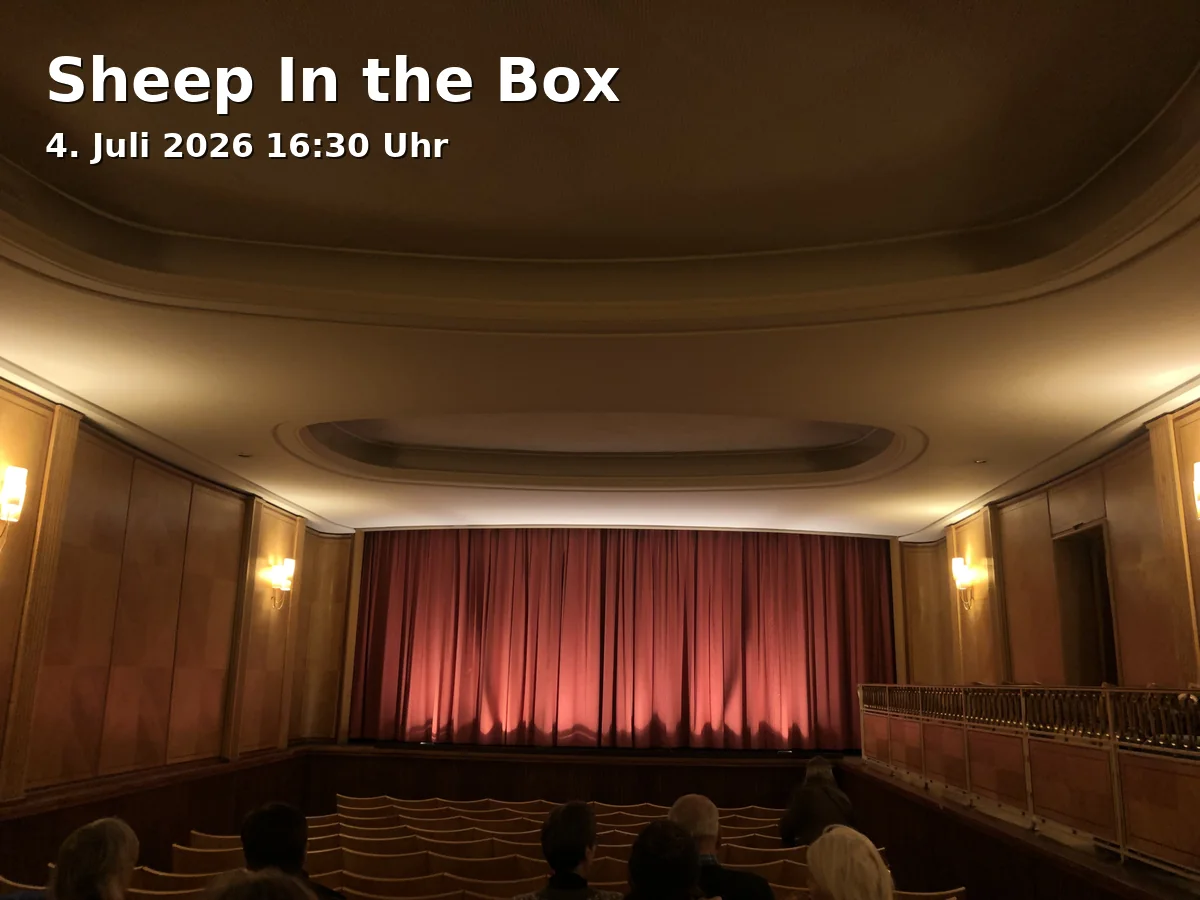
Among his more recent and current works is the Netflix series Asura, which is set to be released in 2025 and translates Kore-eda's narrative precision into the series format. Additionally, a live-action film titled Look Back is in development for 2026, with Kore-eda taking on directing, screenwriting, and editing. Another current project, Sheep in the Box, further underscores his continuous productivity. ([en.wikipedia.org](https://en.wikipedia.org/wiki/Asura_%28TV_series%29?utm_source=openai))
These new works demonstrate an artist who does not repeat his themes but continues to evolve. Whether in television series, literary adaptations, or new feature films, Kore-eda expands his oeuvre with remarkable consistency while remaining true to the core of his art, which is the precise observation of people in transitional and crisis situations. ([en.wikipedia.org](https://en.wikipedia.org/wiki/Asura_%28TV_series%29?utm_source=openai))
Conclusion: Why Hirokazu Kore-eda Remains Indispensable
Hirokazu Kore-eda is compelling because his films never shout but resonate long after. He combines artistic development, social observation, and emotional accuracy into a body of work that represents an exception in contemporary filmmaking. Experiencing his cinema is not just encountering a significant directorial signature but a school of seeing and feeling. Discovering his films on the big screen remains an event that every film lover should not miss. ([facebook.com](https://www.facebook.com/?locale=ja_JP&utm_source=openai))
Official Channels of Hirokazu Kore-eda:
- Instagram: No official profile found
- Facebook: No official profile found
- YouTube: No official profile found
- Spotify: No official profile found
- TikTok: No official profile found
Sources:
- KORE-EDA.com - Official Website
- Festival de Cannes - Hirokazu Kore-eda
- Wikipedia - Hirokazu Koreeda
- Wikipedia - After Life
- Wikipedia - Still Walking
- Wikipedia - Our Little Sister
- Wikipedia - Nobody Knows
- BFI - Where to begin with Hirokazu Kore-eda
- RogerEbert.com - Hirokazu Kore-eda
- JICC - Monster
- K2 Pictures - Look Back
- Wikipedia - Asura (TV series)
- Wikipedia: Image and text source