
Piet Klocke
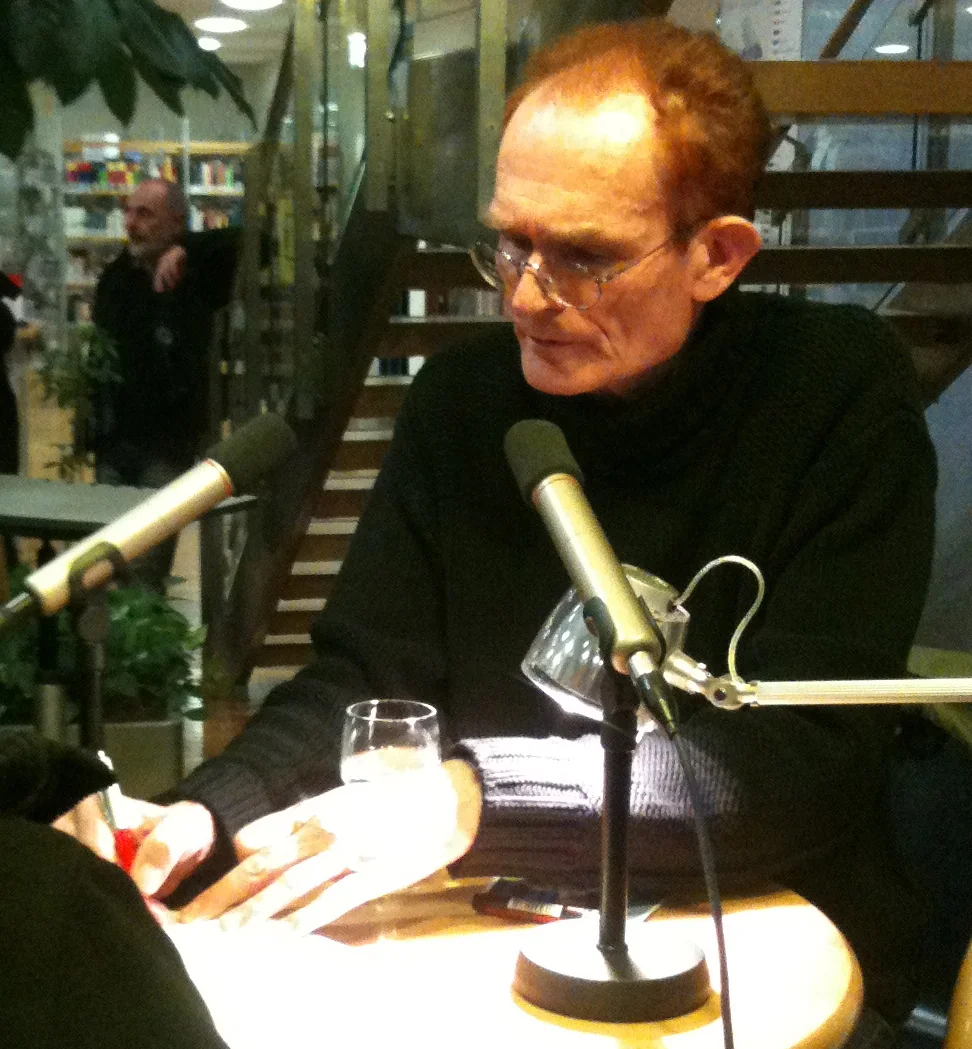
Image from Wikipedia
Image from Wikipedia
Piet Klocke: Musical Word Art, Anarchic Humor, and a Distinct Stage Style
An Artist Between Music, Cabaret, and Literary Comedy
Piet Klocke, actually Peter Klocke, was born on December 20, 1948, in Essen and is one of the most distinctive voices in the German stage landscape. He works as a musician, cabaret artist, author, and actor, merging these roles into an artistic figure that appears both playful and precise. His career represents musical improvisation, linguistic detours, and a stage presence that thrives in the moment. ([de.wikipedia.org](https://de.wikipedia.org/wiki/Piet_Klocke?utm_source=openai))
Biographical Roots in the Ruhr Area
His origins from Essen continue to shape Klocke’s artistic attitude to this day. The Ruhr Area background in Klocke’s work meets a language that operates through breaks, associations, and intentional digressions. His performance embodies the spirit of cabaret as well as the freedom of a musician who does not think in straight lines. Later, he settled in Essen-Rellinghausen, a region from which his tone, calmness, and dry wit consistently draw strength. ([de.wikipedia.org](https://de.wikipedia.org/wiki/Piet_Klocke?utm_source=openai))
From an early age, music was central to Klocke. SRF Kultur notes that he began his career as a musician and studied concert guitar. This musical training is significant as it explains his later solo profile: Klocke thinks in timing, pauses, timbres, and rhythmic shifts. His art is not just driven by text but also by musical breath and compositional awareness. ([srf.ch](https://www.srf.ch/kultur/musik/kabarettisten-erklaeren-jazz-piet-klocke?utm_source=openai))
The Breakthrough as a Stage Character
Piet Klocke gained great popularity with the character of the absent-minded Professor Schmitt-Hindemith. This stage role became a trademark because it does not neatly organize language but transforms it into thought loops, anacolutha, and absurd twists. The audience experiences not a classic revue but a blend of lecture, musical performance, and comedic confusion. The phrase “That all comes off your time!” became the pointed signature of this character and its overall dramaturgy. ([dewiki.de](https://dewiki.de/Lexikon/Piet_Klocke?utm_source=openai))
The actual boost in popularity, according to Wikipedia, came through appearances on RTL Samstag Nacht, 7 Tage, 7 Köpfe, and at the Arosa Humor Festival. This allowed Klocke to reach not only the cabaret and small arts scene but also a broad television audience. This mixture of TV presence and stage eccentricity made him unmistakable for many viewers. His breakthrough relied not on adaptation but on the recognizability of a consistent and unique tone. ([de.wikipedia.org](https://de.wikipedia.org/wiki/Piet_Klocke?utm_source=openai))
Musical Work and Discography
As a musician, Klocke released various recordings that capture and expand his stage aesthetic. Wikipedia mentions Life Is A Sample (Die Leichte + die Schwere Welt) from 1988 and HipHop für Angestellte (a musical graduation evening at the VHS) from 1995, which later appeared under the title That all comes off your time! These releases demonstrate how closely Klocke’s music, text, and performance are intertwined. They are not mere accompanying products but stand-alone documents of a very specific art form. ([de.wikipedia.org](https://de.wikipedia.org/wiki/Piet_Klocke?utm_source=openai))
Particularly influential was his collaboration with jazz saxophonist Simone Sonnenschein alias Angelika Kleinknecht. The fusion of Klocke’s linguistic rhythm with jazzy accompaniment created a form that oscillates between satire, improvisation, and literary grotesque. Here his expertise as a composer and performer is revealed: he uses musical structure not as decoration but as a driving force for humor. The 1995 CD release is considered an important milestone in this context. ([de.wikipedia.org](https://de.wikipedia.org/wiki/Piet_Klocke?utm_source=openai))
Acting, Cinema, and Television as an Extension of the Stage Character
As an actor, Klocke remained true to his comedic foundation. He appeared in productions such as Das fliegende Klassenzimmer, Der Räuber Hotzenplotz, and Mondmann. These roles complement his overall image as they make his presence visible beyond cabaret. Particularly in literary or family-oriented works, his character integrates very organically with its slightly off-kilter humor. ([de.wikipedia.org](https://de.wikipedia.org/wiki/Piet_Klocke?utm_source=openai))
Film portals and program announcements document that Klocke is perceived as a versatile stage artist. His art works equally well on the big stage as in an ensemble, on television as in reading formats. This agility makes him interesting for cultural journalists: he is neither a pure musician nor a pure comedian, but a boundary crosser between forms. His career thrives on the transition between media and the persistence of a clear artistic signature. ([filmportal.de](https://www.filmportal.de/person/piet-klocke_687bd225fb424fba9f3afb8ae8050dfc?utm_source=openai))
Current Projects and Recent Performances
Even in recent years, Piet Klocke has remained active. In 2025, he appeared with Horst Evers presenting readings and performances under the title Lies meinen Text; a new program titled Wo bitte soll das alles nur...? is announced for 2026, in addition to the reading series Am Hofe König Crimsons at the Theater Die Wühlmäuse in Berlin. This program is accompanied by music from King Crimson, emphasizing the connection between literature, performance, and progressive rock. ([de.wikipedia.org](https://de.wikipedia.org/wiki/Piet_Klocke?utm_source=openai))
Further event sources mention the project Lies meinen Text! – Fremdgehen mit Worten with Horst Evers for 2025, and for 2026/2027 additional stage formats surrounding Klocke's reading and music work. These entries show that Klocke does not function as a nostalgic figure but as an active live artist with an ongoing program concept. His music career remains open, dynamic, and adaptable to new stage concepts. ([volksbuehne-rudolfplatz.de](https://volksbuehne-rudolfplatz.de/media/sept_-_nov_25.pdf?utm_source=openai))
Style, Language, and Cultural Influence
Piet Klocke’s style is difficult to categorize into a single genre. He combines cabaret, musical improvisation, linguistic acrobatics, and literary irony into a form of art that consciously works against smooth entertainment. His sentences branch out, get lost, suddenly come back together, thereby creating a unique musicality. This mixture embodies a high degree of recognizability that sets him apart from conventional comedians. ([dewiki.de](https://dewiki.de/Lexikon/Piet_Klocke?utm_source=openai))
Culturally, Klocke aligns with artists who understand wit as a form of thought. His work recalls a tradition of language-critical cabaret, where punchlines serve not only to evoke laughter but also to raise awareness of language. His integration of jazz, reading, and comic theater grants his art an independent stature. That is where his authority lies: he does not cater to trends but has been developing a very personal form of stage art for years. ([srf.ch](https://www.srf.ch/kultur/musik/kabarettisten-erklaeren-jazz-piet-klocke?utm_source=openai))
Conclusion: Why Piet Klocke Continues to Fascinate
Piet Klocke remains intriguing because he playfully blurs the boundaries between music, cabaret, and literature. His performances thrive on timing, intelligence, lightness, and a subtle melancholy that always resonates beneath the humor. Those who experience him live do not see a routine number provider but an artist who continually reassembles language, sound, and attitude in every moment. That is precisely why an evening with Piet Klocke is always worthwhile. ([de.wikipedia.org](https://de.wikipedia.org/wiki/Piet_Klocke?utm_source=openai))
Official Channels of Piet Klocke:
- Instagram: No official profile found
- Facebook: No official profile found
- YouTube: No official profile found
- Spotify: No official profile found
- TikTok: No official profile found