
Schäftlarn
Haus 2, 82067 Schäftlarn-Kloster, Deutschland
Benedictine Abbey Schäftlarn | History & Monastery Church
The Benedictine Abbey Schäftlarn is much more than a historic monastery site south of Munich. It combines a history stretching back over 1200 years with a vibrant monastic daily life, an art-historically significant church, an educational mission, and cultural offerings that continue to shape the place today. Those looking for photos, reviews, history, directions, or practical tips will find in Schäftlarn not an anonymous sight but a developed place with a clear profile: prayer, work, education, and culture belong together here. Particularly exciting is the mix of tranquil monastery atmosphere and public accessibility in selected areas such as the monastery church, monastery shop, services, and guided tours. The official website also emphasizes that Schäftlarn, as an active monastery in the district of Munich, fulfills a spiritual and cultural central function and is at the same time a significant cultural monument in Upper Bavaria. ([abtei-schaeftlarn.de](https://www.abtei-schaeftlarn.de/kunst-kultur/))
History of the Benedictine Abbey Schäftlarn
The history of the abbey officially begins in 762, when the priest Waltrich founded a monastic cell on the banks of the Isar and consecrated the first church in honor of Saint Dionysius. This early foundation makes Schäftlarn one of Bavaria's original monasteries. However, like many early monastic sites, Schäftlarn fell into a phase of decline: from the 10th century, monastic life ceased due to unrest and threats from the Hungarians. Nevertheless, the place remained present in spiritual memory and was revitalized in the 12th century. In 1140, Bishop Otto of Freising reestablished Schäftlarn as a Premonstratensian provostry; Engelbert of Ursberg became the first provost. This re-establishment marks the transition from the early medieval foundation to a renewed monastic tradition. Later, the provostry was elevated to an abbey in 1598, followed by centuries of spiritual, cultural, and architectural developments. ([abtei-schaeftlarn.de](https://www.abtei-schaeftlarn.de/kloster-orden/benediktinerabtei/geschichte/))
Particularly influential for today's appearance were the major construction phases of the 18th century. Under Abbot Melchior Schußmann, the new construction of the monastery buildings became necessary, and from 1702 to 1707, a new, representative monastery building was created under Giovanni Antonio Viscardi. The monastery church itself was subsequently newly planned and constructed starting in 1733. Initially, François de Cuvilliés the Elder worked on the design, later Johann Baptist Gunetzrhainer and Johann Michael Fischer continued the construction in a reduced form. The interior decoration with frescoes, stucco, altars, pulpit, choir stalls, and organ case was shaped by significant artists of the era, including Johann Baptist Zimmermann and Johann Baptist Straub. The church was consecrated in 1760. Following the secularization of 1803, it was re-established as an independent Benedictine priory in 1866; in 1910, Schäftlarn was elevated to an abbey. This chronology explains why the place appears both ancient and distinctly Benedictine. ([abtei-schaeftlarn.de](https://www.abtei-schaeftlarn.de/kloster-orden/benediktinerabtei/geschichte/))
For today's perception, it is also important that Schäftlarn is not just a monument but a living community. The abbey describes its life as determined by worship, prayer, and work and refers to its location within a 1500-year Benedictine tradition. At the same time, the place has always had an educational function: with the foundation in 1866, the establishment of a Latin school for boys was associated, from which today's Benedictine high school developed. This explains why Schäftlarn is perceived in public consciousness not only as a baroque monastery but also as a school, boarding school, church, and spiritual space. This combination of tradition and present makes the abbey one of the most interesting places in the southern Munich area, especially for visitors who want to experience history not just by reading but spatially. ([abtei-schaeftlarn.de](https://www.abtei-schaeftlarn.de/kloster-orden/benediktinerabtei/geschichte/))
Monastery Church, Rococo, and Baroque Furnishings
The monastery church is the architectural and artistic heart of Schäftlarn. The abbey describes it as one of the most successful late baroque sacred buildings in southern Germany; its lively and bright Rococo style is also highlighted on the cultural page. This combination of baroque representation and light, elegant interior effect gives the church its special charm. Upon entering, one does not find austere monastic architecture but a space where the handwriting of significant Munich court artists becomes visible. The church thus reflects the ambition of a spiritual institution that wanted not only to pray but also to promote art and craftsmanship at the highest level. The transition from the Gothic predecessor church to the newly designed building in the 18th century is not only a structural but also a cultural-historical event: it shows the transformation from medieval monastic architecture to a confident, representative ensemble of Baroque and Rococo. ([abtei-schaeftlarn.de](https://www.abtei-schaeftlarn.de/kunst-kultur/klosterkirche/))
The official construction and furnishing history lists many details that attest to the extraordinary level of the church. After flood damage in 1701, the new monastery building was first erected before the church reconstruction began in 1733. After a war-related interruption, work resumed in 1751; in 1752/53, the vaulting of the choir and nave was completed. From 1754 to 1756, Johann Baptist Zimmermann designed the interior with frescoes and stucco, while Balthasar Augustin Albrecht created the high altar painting. Johann Baptist Straub worked for years on altars, pulpit, choir stalls, benches, confessionals, and the organ case. This concentration of great names is not just an art-historical footnote for visitors but explains the still strong experience in the church space. The abbey itself states that the furnishings stand out uniquely among the baroque monastery churches of the Alpine region. The subpages of the website also address topics such as frescoes and stucco, furnishings, annual nativity scene, Holy Grave, and renovation, showing that the church is not only built but also carefully maintained as a space for art and faith. ([abtei-schaeftlarn.de](https://www.abtei-schaeftlarn.de/kunst-kultur/klosterkirche/))
For visitors, the possibility of church tours is particularly relevant. These are organized through the Schönes Schäftlarn e.V. association and can be inquired about directly via email. This makes the church accessible not only as a place of worship but also as a conveyable cultural space. Therefore, those planning a visit should not just come on a whim but pay attention to the official guidelines. The combination of church tours, service schedules, and cultural offerings makes it clear that the monastery church in Schäftlarn cannot be viewed in isolation: it is part of a lived monastic liturgy, part of the cultural program, and part of the identity of the entire abbey. This is precisely why it is so relevant for search queries such as monastery church Schäftlarn, photos, or history. Nevertheless, the best description remains the experience on site: a bright, richly furnished Rococo ensemble that, despite its splendor, does not overwhelm but appears orderly, calm, and spiritual. ([abtei-schaeftlarn.de](https://www.abtei-schaeftlarn.de/kunst-kultur/klosterkirche/kirchenfuehrungen/))
Directions to the Benedictine Abbey Schäftlarn and Practical Tips
Anyone wishing to visit the Benedictine Abbey Schäftlarn should know the location well: the place is situated south of Munich in the Isar valley and is anchored as Kloster Schäftlarn in 82067 Schäftlarn. The official website explicitly refers to the MVV timetable information for travel, which provides a schematic representation of the individual route. This is particularly useful for guests, as monastery facilities of this kind often have multiple entrances, different building parts, and clear time windows for individual offerings. The abbey provides the address for its contact points as Haus 3, 82067 Kloster Schäftlarn, thus offering a reliable reference point for directions, gate, and inquiries. Therefore, anyone searching for directions to Kloster Schäftlarn will find the most important orientation directly on the official pages. The journey is not complicated but requires a short planning, especially if one wants to combine the visit with gate times, services, or a church tour. ([abtei-schaeftlarn.de](https://www.abtei-schaeftlarn.de/gymnasium-internat/infomaterialien/anfahrt/?utm_source=openai))
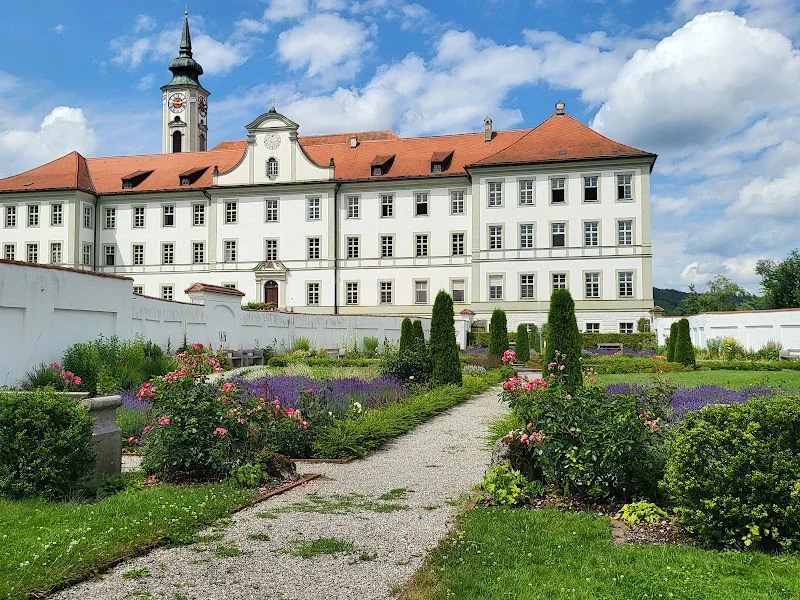
It is also practical that the abbey clearly separates different areas on its website: monastery, church, monastery shop, culture, high school, and guest stay are visible as separate categories. This helps visitors who do not just want to stop by briefly but want to experience something purposefully. Those who only want to visit the church can orient themselves to services and church tours; those who want to take something with them can check the monastery shop; those coming for school or events can look for the appropriate subpage of the high school. At the same time, it becomes clear that the monastery building itself cannot be visited as a classic museum building because it largely contains classrooms of the high school and areas for the convent. This information is important to avoid false expectations and to plan the visit sensibly. The abbey is thus not an amusement park but a functioning living space with clear uses and rules. This is precisely what makes the place so interesting for many visitors: it is historically significant, architecturally impressive, and yet not museum-like. ([abtei-schaeftlarn.de](https://www.abtei-schaeftlarn.de/kunst-kultur/klostergebaeude/))
The topic of parking is best considered in connection with directions. The verified official pages focused on the MVV timetable information; a separate, thoroughly designated parking page was not the central focus there. This is not a disadvantage but rather an indication that the visit is initially intended as a monastic and cultural place and only later as a traffic destination. Therefore, those arriving by car should check the route and the current situation on site in advance and contact the gate directly in case of uncertainties. For search queries such as Kloster Schäftlarn parking or Schäftlarn directions, the most reliable answer is therefore: first use the official travel planning, then pay attention to the local guidelines. This way, one avoids stress and can focus the visit on the essentials, namely the church, the monastery shop, the tranquil grounds, and the special atmosphere of the place. ([abtei-schaeftlarn.de](https://www.abtei-schaeftlarn.de/gymnasium-internat/infomaterialien/anfahrt/?utm_source=openai))
Gate, Services, and Monastic Daily Life
The monastic daily life of the Benedictine Abbey Schäftlarn is clearly structured and yet open enough to invite guests. The official site describes communal prayer as the structure of monastic life. The monks gather four times a day for choral prayer and celebrate the Eucharist as the highlight of the day. This information shows that Schäftlarn is not just a historical name but a community with a firm spiritual rhythm. This is important for visitors because it explains many impressions: the tranquility on the grounds, the concentration on liturgy and work, and the restrained but clear organization of monastic life. Those who experience the monastery quickly realize that here not just a building ensemble is managed, but a way of life is cultivated that is based on the Rule of Benedict. The abbey also emphasizes that it stands in the tradition of Saint Benedict and that its life is characterized by prayer, work, and community. ([abtei-schaeftlarn.de](https://www.abtei-schaeftlarn.de/kloster-orden/?utm_source=openai))
For practical visitor questions, the gate is particularly important. The opening hours are clearly indicated on the official website: Monday to Friday from 8:00 AM to 6:00 PM, Saturdays from 9:30 AM to 3:00 PM, closed on Sundays and public holidays. Additionally, confession opportunities and personal conversations are possible by appointment. This information is especially useful for anyone who does not just want to pass by during a walk through the Isar valley but wants to plan an orderly visit. The gate is in this sense not just a door but the communicative interface of the monastery to the outside. It connects the quiet interior of the monastery with the visiting interests from outside. Those searching for Kloster Schäftlarn gate or opening hours thus receive a very clear answer. At the same time, the regulation underscores the Benedictine balance of hospitality and organized daily life: the monastery is open but not arbitrarily available at all times. This form of respectful accessibility is pleasant for many visitors because it gives the place dignity and clarity. ([abtei-schaeftlarn.de](https://www.abtei-schaeftlarn.de/kloster-orden/?utm_source=openai))
Another special aspect is the guest stay. The abbey offers interested men the opportunity to be a guest in the monastery for a time. According to the official description, this occurs in simple accommodation, with participation in the daily routine of the monks, with a special emphasis on choral prayer and communal meals. Such a stay is primarily recommended during school holidays. This makes it clear that Schäftlarn does not just welcome visitors in the usual sense but consciously enables spiritual experiences. Therefore, those searching for a guest in Kloster Schäftlarn will not find a hotel in the classical sense but a consciously simple, monastically shaped offer. This offer demonstrates the consistency of Benedictine hospitality: the guest is not treated like a consumer but is integrated into a rhythmic, calm, and purposeful life. For some, this is a quiet timeout; for others, a first conscious contact with monastic spirituality. In any case, this offer fits very well with the profile of the abbey, which sees itself as a place of prayer, work, and inner order. ([abtei-schaeftlarn.de](https://www.abtei-schaeftlarn.de/kloster-orden/gast-im-kloster/?utm_source=openai))
High School, Boarding School, and Educational Mission in Schäftlarn
A central part of today's Benedictine Abbey is the educational mission. The abbey explicitly states that in Schäftlarn, there is a focus on the education and upbringing of young people who attend the state-recognized high school with boarding and day care. It is clear: Schäftlarn is not only a spiritual place but also a school location. This dual function explains many structures on the grounds. The monastery building is largely used as a classroom, while a smaller part is reserved as a cloister for the monks. The former refectory of the Premonstratensian canons now serves as the dining hall for the students. This usage makes the place lively and distinguishes it from pure museum facilities. Therefore, those visiting Schäftlarn encounter a place where education, faith, and daily life spatially intertwine. ([abtei-schaeftlarn.de](https://www.abtei-schaeftlarn.de/kloster-orden/benediktinerabtei/?utm_source=openai))
It is particularly important to note that the monastery building itself cannot be visited because it is a school. This fact should be taken into account for visit planning. It may seem restrictive at first glance, but in truth, it is a sign that the monastery is not a backdrop but a functional living and learning place. The website also reflects this reality: there are pages for the high school and boarding school, for directions, for events in the auditorium and church, as well as for informational materials for students and parents. This makes it clear that the abbey does not fulfill a marginal function with its educational area but lives a substantial part of its mission. For search queries such as Benedictine high school Schäftlarn or boarding school Schäftlarn, the connection between traditional monastic life and modern educational work is therefore particularly interesting. The school is embedded in a historic ensemble but is not run as a museum; rather, it is a contemporary learning place. ([abtei-schaeftlarn.de](https://www.abtei-schaeftlarn.de/kunst-kultur/klostergebaeude/))
Events also play an important role in the educational and church areas. The website features entries such as services for graduation celebrations, graduation ceremonies, parent evenings for confirmation preparation, or events in the auditorium and church. Such dates show that Schäftlarn is a place where religious rituals, school transitions, and communal celebrations come together. Therefore, those searching for programs, events, or current usage will find more on the pages of the high school and the monastic event calendar than in a rigid event overview. This is fitting for a place whose identity is not based on seasonal operations but on recurring life rhythms. For parents, students, alumni, and interested visitors, this creates a multifaceted picture: Schäftlarn is a monastery with a school, a school with a spiritual foundation, and a monument that continues to be used. This multifunctionality gives the place its special relevance. ([abtei-schaeftlarn.de](https://www.abtei-schaeftlarn.de/veranstaltung/elternabend-zur-firmvorbereitung/?utm_source=openai))
Monastery Shop, Guest in the Monastery, and Cultural Experiences
The experience of the abbey also includes the monastery shop. According to the official website, it offers a wide range of high-quality products, including monastery own products, books in the field of Christian spirituality, original gift ideas, food, personal care products, fine wines, spirits, and beers. The shop is open from Wednesday to Saturday from 2:00 PM to 5:00 PM and on Sundays and public holidays from 11:00 AM to 5:00 PM; it remains closed on Sundays from January to the end of March. For visitors, this is interesting for several reasons: the monastery shop makes the spiritual place experienceable in a small, practical sense, supports the monastery economy, and offers a way to connect the visit with a conscious purchase of products. Therefore, those searching for monastery shop Schäftlarn will find a place where tradition, quality, and monastic identity come together. ([abtei-schaeftlarn.de](https://www.abtei-schaeftlarn.de/wirtschaft-betriebe/klosterladen/?utm_source=openai))
The cultural side of the abbey is also strongly pronounced. The official cultural page emphasizes that Schäftlarn, as the only active monastery in the district of Munich, has been a spiritual and cultural center in southern Munich for over 1200 years. At the same time, it is one of the outstanding cultural monuments of Upper Bavaria. Additionally, there are offerings such as the Schäftlarn concerts, which explicitly take place in the spiritual ambiance of the monastery church. The prelate's garden is described as a place of floral splendor and tranquility, inviting relaxation. These three elements - church, garden, and concert culture - make Schäftlarn a place that goes far beyond a mere sight. Those searching for photos will find image material on the website related to the church, garden, and monastery building; those looking for events or culture will come across concerts and organ offerings. This creates an ensemble that is attractive to both quiet visitors and culture enthusiasts. The abbey thus shows that Benedictine tradition does not have to be backward-looking but can remain publicly effective in modern form. ([abtei-schaeftlarn.de](https://www.abtei-schaeftlarn.de/kunst-kultur/))
In the end, much comes together in a clear picture: Schäftlarn is an abbey with a long history, an architecturally significant place, an active monastery, an educational site, and a cultural attraction. Those coming here should not only focus on individual search terms such as photos, reviews, directions, or parking but understand the overall context. This is where the special value of this place lies. The baroque monastery church, the not visited but used monastery complex, the regular services, the monastery shop, the tours, and the school together create a coherent, vibrant picture. Schäftlarn is thus not a place for mere ticking off but for conscious perception. Those who engage with it experience a rare mix of tranquility, art, faith, and lived continuity. ([abtei-schaeftlarn.de](https://www.abtei-schaeftlarn.de/kloster-orden/?utm_source=openai))
Sources:
Show moreShow less
Benedictine Abbey Schäftlarn | History & Monastery Church
The Benedictine Abbey Schäftlarn is much more than a historic monastery site south of Munich. It combines a history stretching back over 1200 years with a vibrant monastic daily life, an art-historically significant church, an educational mission, and cultural offerings that continue to shape the place today. Those looking for photos, reviews, history, directions, or practical tips will find in Schäftlarn not an anonymous sight but a developed place with a clear profile: prayer, work, education, and culture belong together here. Particularly exciting is the mix of tranquil monastery atmosphere and public accessibility in selected areas such as the monastery church, monastery shop, services, and guided tours. The official website also emphasizes that Schäftlarn, as an active monastery in the district of Munich, fulfills a spiritual and cultural central function and is at the same time a significant cultural monument in Upper Bavaria. ([abtei-schaeftlarn.de](https://www.abtei-schaeftlarn.de/kunst-kultur/))
History of the Benedictine Abbey Schäftlarn
The history of the abbey officially begins in 762, when the priest Waltrich founded a monastic cell on the banks of the Isar and consecrated the first church in honor of Saint Dionysius. This early foundation makes Schäftlarn one of Bavaria's original monasteries. However, like many early monastic sites, Schäftlarn fell into a phase of decline: from the 10th century, monastic life ceased due to unrest and threats from the Hungarians. Nevertheless, the place remained present in spiritual memory and was revitalized in the 12th century. In 1140, Bishop Otto of Freising reestablished Schäftlarn as a Premonstratensian provostry; Engelbert of Ursberg became the first provost. This re-establishment marks the transition from the early medieval foundation to a renewed monastic tradition. Later, the provostry was elevated to an abbey in 1598, followed by centuries of spiritual, cultural, and architectural developments. ([abtei-schaeftlarn.de](https://www.abtei-schaeftlarn.de/kloster-orden/benediktinerabtei/geschichte/))
Particularly influential for today's appearance were the major construction phases of the 18th century. Under Abbot Melchior Schußmann, the new construction of the monastery buildings became necessary, and from 1702 to 1707, a new, representative monastery building was created under Giovanni Antonio Viscardi. The monastery church itself was subsequently newly planned and constructed starting in 1733. Initially, François de Cuvilliés the Elder worked on the design, later Johann Baptist Gunetzrhainer and Johann Michael Fischer continued the construction in a reduced form. The interior decoration with frescoes, stucco, altars, pulpit, choir stalls, and organ case was shaped by significant artists of the era, including Johann Baptist Zimmermann and Johann Baptist Straub. The church was consecrated in 1760. Following the secularization of 1803, it was re-established as an independent Benedictine priory in 1866; in 1910, Schäftlarn was elevated to an abbey. This chronology explains why the place appears both ancient and distinctly Benedictine. ([abtei-schaeftlarn.de](https://www.abtei-schaeftlarn.de/kloster-orden/benediktinerabtei/geschichte/))
For today's perception, it is also important that Schäftlarn is not just a monument but a living community. The abbey describes its life as determined by worship, prayer, and work and refers to its location within a 1500-year Benedictine tradition. At the same time, the place has always had an educational function: with the foundation in 1866, the establishment of a Latin school for boys was associated, from which today's Benedictine high school developed. This explains why Schäftlarn is perceived in public consciousness not only as a baroque monastery but also as a school, boarding school, church, and spiritual space. This combination of tradition and present makes the abbey one of the most interesting places in the southern Munich area, especially for visitors who want to experience history not just by reading but spatially. ([abtei-schaeftlarn.de](https://www.abtei-schaeftlarn.de/kloster-orden/benediktinerabtei/geschichte/))
Monastery Church, Rococo, and Baroque Furnishings
The monastery church is the architectural and artistic heart of Schäftlarn. The abbey describes it as one of the most successful late baroque sacred buildings in southern Germany; its lively and bright Rococo style is also highlighted on the cultural page. This combination of baroque representation and light, elegant interior effect gives the church its special charm. Upon entering, one does not find austere monastic architecture but a space where the handwriting of significant Munich court artists becomes visible. The church thus reflects the ambition of a spiritual institution that wanted not only to pray but also to promote art and craftsmanship at the highest level. The transition from the Gothic predecessor church to the newly designed building in the 18th century is not only a structural but also a cultural-historical event: it shows the transformation from medieval monastic architecture to a confident, representative ensemble of Baroque and Rococo. ([abtei-schaeftlarn.de](https://www.abtei-schaeftlarn.de/kunst-kultur/klosterkirche/))
The official construction and furnishing history lists many details that attest to the extraordinary level of the church. After flood damage in 1701, the new monastery building was first erected before the church reconstruction began in 1733. After a war-related interruption, work resumed in 1751; in 1752/53, the vaulting of the choir and nave was completed. From 1754 to 1756, Johann Baptist Zimmermann designed the interior with frescoes and stucco, while Balthasar Augustin Albrecht created the high altar painting. Johann Baptist Straub worked for years on altars, pulpit, choir stalls, benches, confessionals, and the organ case. This concentration of great names is not just an art-historical footnote for visitors but explains the still strong experience in the church space. The abbey itself states that the furnishings stand out uniquely among the baroque monastery churches of the Alpine region. The subpages of the website also address topics such as frescoes and stucco, furnishings, annual nativity scene, Holy Grave, and renovation, showing that the church is not only built but also carefully maintained as a space for art and faith. ([abtei-schaeftlarn.de](https://www.abtei-schaeftlarn.de/kunst-kultur/klosterkirche/))
For visitors, the possibility of church tours is particularly relevant. These are organized through the Schönes Schäftlarn e.V. association and can be inquired about directly via email. This makes the church accessible not only as a place of worship but also as a conveyable cultural space. Therefore, those planning a visit should not just come on a whim but pay attention to the official guidelines. The combination of church tours, service schedules, and cultural offerings makes it clear that the monastery church in Schäftlarn cannot be viewed in isolation: it is part of a lived monastic liturgy, part of the cultural program, and part of the identity of the entire abbey. This is precisely why it is so relevant for search queries such as monastery church Schäftlarn, photos, or history. Nevertheless, the best description remains the experience on site: a bright, richly furnished Rococo ensemble that, despite its splendor, does not overwhelm but appears orderly, calm, and spiritual. ([abtei-schaeftlarn.de](https://www.abtei-schaeftlarn.de/kunst-kultur/klosterkirche/kirchenfuehrungen/))
Directions to the Benedictine Abbey Schäftlarn and Practical Tips
Anyone wishing to visit the Benedictine Abbey Schäftlarn should know the location well: the place is situated south of Munich in the Isar valley and is anchored as Kloster Schäftlarn in 82067 Schäftlarn. The official website explicitly refers to the MVV timetable information for travel, which provides a schematic representation of the individual route. This is particularly useful for guests, as monastery facilities of this kind often have multiple entrances, different building parts, and clear time windows for individual offerings. The abbey provides the address for its contact points as Haus 3, 82067 Kloster Schäftlarn, thus offering a reliable reference point for directions, gate, and inquiries. Therefore, anyone searching for directions to Kloster Schäftlarn will find the most important orientation directly on the official pages. The journey is not complicated but requires a short planning, especially if one wants to combine the visit with gate times, services, or a church tour. ([abtei-schaeftlarn.de](https://www.abtei-schaeftlarn.de/gymnasium-internat/infomaterialien/anfahrt/?utm_source=openai))
It is also practical that the abbey clearly separates different areas on its website: monastery, church, monastery shop, culture, high school, and guest stay are visible as separate categories. This helps visitors who do not just want to stop by briefly but want to experience something purposefully. Those who only want to visit the church can orient themselves to services and church tours; those who want to take something with them can check the monastery shop; those coming for school or events can look for the appropriate subpage of the high school. At the same time, it becomes clear that the monastery building itself cannot be visited as a classic museum building because it largely contains classrooms of the high school and areas for the convent. This information is important to avoid false expectations and to plan the visit sensibly. The abbey is thus not an amusement park but a functioning living space with clear uses and rules. This is precisely what makes the place so interesting for many visitors: it is historically significant, architecturally impressive, and yet not museum-like. ([abtei-schaeftlarn.de](https://www.abtei-schaeftlarn.de/kunst-kultur/klostergebaeude/))
The topic of parking is best considered in connection with directions. The verified official pages focused on the MVV timetable information; a separate, thoroughly designated parking page was not the central focus there. This is not a disadvantage but rather an indication that the visit is initially intended as a monastic and cultural place and only later as a traffic destination. Therefore, those arriving by car should check the route and the current situation on site in advance and contact the gate directly in case of uncertainties. For search queries such as Kloster Schäftlarn parking or Schäftlarn directions, the most reliable answer is therefore: first use the official travel planning, then pay attention to the local guidelines. This way, one avoids stress and can focus the visit on the essentials, namely the church, the monastery shop, the tranquil grounds, and the special atmosphere of the place. ([abtei-schaeftlarn.de](https://www.abtei-schaeftlarn.de/gymnasium-internat/infomaterialien/anfahrt/?utm_source=openai))
Gate, Services, and Monastic Daily Life
The monastic daily life of the Benedictine Abbey Schäftlarn is clearly structured and yet open enough to invite guests. The official site describes communal prayer as the structure of monastic life. The monks gather four times a day for choral prayer and celebrate the Eucharist as the highlight of the day. This information shows that Schäftlarn is not just a historical name but a community with a firm spiritual rhythm. This is important for visitors because it explains many impressions: the tranquility on the grounds, the concentration on liturgy and work, and the restrained but clear organization of monastic life. Those who experience the monastery quickly realize that here not just a building ensemble is managed, but a way of life is cultivated that is based on the Rule of Benedict. The abbey also emphasizes that it stands in the tradition of Saint Benedict and that its life is characterized by prayer, work, and community. ([abtei-schaeftlarn.de](https://www.abtei-schaeftlarn.de/kloster-orden/?utm_source=openai))
For practical visitor questions, the gate is particularly important. The opening hours are clearly indicated on the official website: Monday to Friday from 8:00 AM to 6:00 PM, Saturdays from 9:30 AM to 3:00 PM, closed on Sundays and public holidays. Additionally, confession opportunities and personal conversations are possible by appointment. This information is especially useful for anyone who does not just want to pass by during a walk through the Isar valley but wants to plan an orderly visit. The gate is in this sense not just a door but the communicative interface of the monastery to the outside. It connects the quiet interior of the monastery with the visiting interests from outside. Those searching for Kloster Schäftlarn gate or opening hours thus receive a very clear answer. At the same time, the regulation underscores the Benedictine balance of hospitality and organized daily life: the monastery is open but not arbitrarily available at all times. This form of respectful accessibility is pleasant for many visitors because it gives the place dignity and clarity. ([abtei-schaeftlarn.de](https://www.abtei-schaeftlarn.de/kloster-orden/?utm_source=openai))
Another special aspect is the guest stay. The abbey offers interested men the opportunity to be a guest in the monastery for a time. According to the official description, this occurs in simple accommodation, with participation in the daily routine of the monks, with a special emphasis on choral prayer and communal meals. Such a stay is primarily recommended during school holidays. This makes it clear that Schäftlarn does not just welcome visitors in the usual sense but consciously enables spiritual experiences. Therefore, those searching for a guest in Kloster Schäftlarn will not find a hotel in the classical sense but a consciously simple, monastically shaped offer. This offer demonstrates the consistency of Benedictine hospitality: the guest is not treated like a consumer but is integrated into a rhythmic, calm, and purposeful life. For some, this is a quiet timeout; for others, a first conscious contact with monastic spirituality. In any case, this offer fits very well with the profile of the abbey, which sees itself as a place of prayer, work, and inner order. ([abtei-schaeftlarn.de](https://www.abtei-schaeftlarn.de/kloster-orden/gast-im-kloster/?utm_source=openai))
High School, Boarding School, and Educational Mission in Schäftlarn
A central part of today's Benedictine Abbey is the educational mission. The abbey explicitly states that in Schäftlarn, there is a focus on the education and upbringing of young people who attend the state-recognized high school with boarding and day care. It is clear: Schäftlarn is not only a spiritual place but also a school location. This dual function explains many structures on the grounds. The monastery building is largely used as a classroom, while a smaller part is reserved as a cloister for the monks. The former refectory of the Premonstratensian canons now serves as the dining hall for the students. This usage makes the place lively and distinguishes it from pure museum facilities. Therefore, those visiting Schäftlarn encounter a place where education, faith, and daily life spatially intertwine. ([abtei-schaeftlarn.de](https://www.abtei-schaeftlarn.de/kloster-orden/benediktinerabtei/?utm_source=openai))
It is particularly important to note that the monastery building itself cannot be visited because it is a school. This fact should be taken into account for visit planning. It may seem restrictive at first glance, but in truth, it is a sign that the monastery is not a backdrop but a functional living and learning place. The website also reflects this reality: there are pages for the high school and boarding school, for directions, for events in the auditorium and church, as well as for informational materials for students and parents. This makes it clear that the abbey does not fulfill a marginal function with its educational area but lives a substantial part of its mission. For search queries such as Benedictine high school Schäftlarn or boarding school Schäftlarn, the connection between traditional monastic life and modern educational work is therefore particularly interesting. The school is embedded in a historic ensemble but is not run as a museum; rather, it is a contemporary learning place. ([abtei-schaeftlarn.de](https://www.abtei-schaeftlarn.de/kunst-kultur/klostergebaeude/))
Events also play an important role in the educational and church areas. The website features entries such as services for graduation celebrations, graduation ceremonies, parent evenings for confirmation preparation, or events in the auditorium and church. Such dates show that Schäftlarn is a place where religious rituals, school transitions, and communal celebrations come together. Therefore, those searching for programs, events, or current usage will find more on the pages of the high school and the monastic event calendar than in a rigid event overview. This is fitting for a place whose identity is not based on seasonal operations but on recurring life rhythms. For parents, students, alumni, and interested visitors, this creates a multifaceted picture: Schäftlarn is a monastery with a school, a school with a spiritual foundation, and a monument that continues to be used. This multifunctionality gives the place its special relevance. ([abtei-schaeftlarn.de](https://www.abtei-schaeftlarn.de/veranstaltung/elternabend-zur-firmvorbereitung/?utm_source=openai))
Monastery Shop, Guest in the Monastery, and Cultural Experiences
The experience of the abbey also includes the monastery shop. According to the official website, it offers a wide range of high-quality products, including monastery own products, books in the field of Christian spirituality, original gift ideas, food, personal care products, fine wines, spirits, and beers. The shop is open from Wednesday to Saturday from 2:00 PM to 5:00 PM and on Sundays and public holidays from 11:00 AM to 5:00 PM; it remains closed on Sundays from January to the end of March. For visitors, this is interesting for several reasons: the monastery shop makes the spiritual place experienceable in a small, practical sense, supports the monastery economy, and offers a way to connect the visit with a conscious purchase of products. Therefore, those searching for monastery shop Schäftlarn will find a place where tradition, quality, and monastic identity come together. ([abtei-schaeftlarn.de](https://www.abtei-schaeftlarn.de/wirtschaft-betriebe/klosterladen/?utm_source=openai))
The cultural side of the abbey is also strongly pronounced. The official cultural page emphasizes that Schäftlarn, as the only active monastery in the district of Munich, has been a spiritual and cultural center in southern Munich for over 1200 years. At the same time, it is one of the outstanding cultural monuments of Upper Bavaria. Additionally, there are offerings such as the Schäftlarn concerts, which explicitly take place in the spiritual ambiance of the monastery church. The prelate's garden is described as a place of floral splendor and tranquility, inviting relaxation. These three elements - church, garden, and concert culture - make Schäftlarn a place that goes far beyond a mere sight. Those searching for photos will find image material on the website related to the church, garden, and monastery building; those looking for events or culture will come across concerts and organ offerings. This creates an ensemble that is attractive to both quiet visitors and culture enthusiasts. The abbey thus shows that Benedictine tradition does not have to be backward-looking but can remain publicly effective in modern form. ([abtei-schaeftlarn.de](https://www.abtei-schaeftlarn.de/kunst-kultur/))
In the end, much comes together in a clear picture: Schäftlarn is an abbey with a long history, an architecturally significant place, an active monastery, an educational site, and a cultural attraction. Those coming here should not only focus on individual search terms such as photos, reviews, directions, or parking but understand the overall context. This is where the special value of this place lies. The baroque monastery church, the not visited but used monastery complex, the regular services, the monastery shop, the tours, and the school together create a coherent, vibrant picture. Schäftlarn is thus not a place for mere ticking off but for conscious perception. Those who engage with it experience a rare mix of tranquility, art, faith, and lived continuity. ([abtei-schaeftlarn.de](https://www.abtei-schaeftlarn.de/kloster-orden/?utm_source=openai))
Sources:
Benedictine Abbey Schäftlarn | History & Monastery Church
The Benedictine Abbey Schäftlarn is much more than a historic monastery site south of Munich. It combines a history stretching back over 1200 years with a vibrant monastic daily life, an art-historically significant church, an educational mission, and cultural offerings that continue to shape the place today. Those looking for photos, reviews, history, directions, or practical tips will find in Schäftlarn not an anonymous sight but a developed place with a clear profile: prayer, work, education, and culture belong together here. Particularly exciting is the mix of tranquil monastery atmosphere and public accessibility in selected areas such as the monastery church, monastery shop, services, and guided tours. The official website also emphasizes that Schäftlarn, as an active monastery in the district of Munich, fulfills a spiritual and cultural central function and is at the same time a significant cultural monument in Upper Bavaria. ([abtei-schaeftlarn.de](https://www.abtei-schaeftlarn.de/kunst-kultur/))
History of the Benedictine Abbey Schäftlarn
The history of the abbey officially begins in 762, when the priest Waltrich founded a monastic cell on the banks of the Isar and consecrated the first church in honor of Saint Dionysius. This early foundation makes Schäftlarn one of Bavaria's original monasteries. However, like many early monastic sites, Schäftlarn fell into a phase of decline: from the 10th century, monastic life ceased due to unrest and threats from the Hungarians. Nevertheless, the place remained present in spiritual memory and was revitalized in the 12th century. In 1140, Bishop Otto of Freising reestablished Schäftlarn as a Premonstratensian provostry; Engelbert of Ursberg became the first provost. This re-establishment marks the transition from the early medieval foundation to a renewed monastic tradition. Later, the provostry was elevated to an abbey in 1598, followed by centuries of spiritual, cultural, and architectural developments. ([abtei-schaeftlarn.de](https://www.abtei-schaeftlarn.de/kloster-orden/benediktinerabtei/geschichte/))
Particularly influential for today's appearance were the major construction phases of the 18th century. Under Abbot Melchior Schußmann, the new construction of the monastery buildings became necessary, and from 1702 to 1707, a new, representative monastery building was created under Giovanni Antonio Viscardi. The monastery church itself was subsequently newly planned and constructed starting in 1733. Initially, François de Cuvilliés the Elder worked on the design, later Johann Baptist Gunetzrhainer and Johann Michael Fischer continued the construction in a reduced form. The interior decoration with frescoes, stucco, altars, pulpit, choir stalls, and organ case was shaped by significant artists of the era, including Johann Baptist Zimmermann and Johann Baptist Straub. The church was consecrated in 1760. Following the secularization of 1803, it was re-established as an independent Benedictine priory in 1866; in 1910, Schäftlarn was elevated to an abbey. This chronology explains why the place appears both ancient and distinctly Benedictine. ([abtei-schaeftlarn.de](https://www.abtei-schaeftlarn.de/kloster-orden/benediktinerabtei/geschichte/))
For today's perception, it is also important that Schäftlarn is not just a monument but a living community. The abbey describes its life as determined by worship, prayer, and work and refers to its location within a 1500-year Benedictine tradition. At the same time, the place has always had an educational function: with the foundation in 1866, the establishment of a Latin school for boys was associated, from which today's Benedictine high school developed. This explains why Schäftlarn is perceived in public consciousness not only as a baroque monastery but also as a school, boarding school, church, and spiritual space. This combination of tradition and present makes the abbey one of the most interesting places in the southern Munich area, especially for visitors who want to experience history not just by reading but spatially. ([abtei-schaeftlarn.de](https://www.abtei-schaeftlarn.de/kloster-orden/benediktinerabtei/geschichte/))
Monastery Church, Rococo, and Baroque Furnishings
The monastery church is the architectural and artistic heart of Schäftlarn. The abbey describes it as one of the most successful late baroque sacred buildings in southern Germany; its lively and bright Rococo style is also highlighted on the cultural page. This combination of baroque representation and light, elegant interior effect gives the church its special charm. Upon entering, one does not find austere monastic architecture but a space where the handwriting of significant Munich court artists becomes visible. The church thus reflects the ambition of a spiritual institution that wanted not only to pray but also to promote art and craftsmanship at the highest level. The transition from the Gothic predecessor church to the newly designed building in the 18th century is not only a structural but also a cultural-historical event: it shows the transformation from medieval monastic architecture to a confident, representative ensemble of Baroque and Rococo. ([abtei-schaeftlarn.de](https://www.abtei-schaeftlarn.de/kunst-kultur/klosterkirche/))
The official construction and furnishing history lists many details that attest to the extraordinary level of the church. After flood damage in 1701, the new monastery building was first erected before the church reconstruction began in 1733. After a war-related interruption, work resumed in 1751; in 1752/53, the vaulting of the choir and nave was completed. From 1754 to 1756, Johann Baptist Zimmermann designed the interior with frescoes and stucco, while Balthasar Augustin Albrecht created the high altar painting. Johann Baptist Straub worked for years on altars, pulpit, choir stalls, benches, confessionals, and the organ case. This concentration of great names is not just an art-historical footnote for visitors but explains the still strong experience in the church space. The abbey itself states that the furnishings stand out uniquely among the baroque monastery churches of the Alpine region. The subpages of the website also address topics such as frescoes and stucco, furnishings, annual nativity scene, Holy Grave, and renovation, showing that the church is not only built but also carefully maintained as a space for art and faith. ([abtei-schaeftlarn.de](https://www.abtei-schaeftlarn.de/kunst-kultur/klosterkirche/))
For visitors, the possibility of church tours is particularly relevant. These are organized through the Schönes Schäftlarn e.V. association and can be inquired about directly via email. This makes the church accessible not only as a place of worship but also as a conveyable cultural space. Therefore, those planning a visit should not just come on a whim but pay attention to the official guidelines. The combination of church tours, service schedules, and cultural offerings makes it clear that the monastery church in Schäftlarn cannot be viewed in isolation: it is part of a lived monastic liturgy, part of the cultural program, and part of the identity of the entire abbey. This is precisely why it is so relevant for search queries such as monastery church Schäftlarn, photos, or history. Nevertheless, the best description remains the experience on site: a bright, richly furnished Rococo ensemble that, despite its splendor, does not overwhelm but appears orderly, calm, and spiritual. ([abtei-schaeftlarn.de](https://www.abtei-schaeftlarn.de/kunst-kultur/klosterkirche/kirchenfuehrungen/))
Directions to the Benedictine Abbey Schäftlarn and Practical Tips
Anyone wishing to visit the Benedictine Abbey Schäftlarn should know the location well: the place is situated south of Munich in the Isar valley and is anchored as Kloster Schäftlarn in 82067 Schäftlarn. The official website explicitly refers to the MVV timetable information for travel, which provides a schematic representation of the individual route. This is particularly useful for guests, as monastery facilities of this kind often have multiple entrances, different building parts, and clear time windows for individual offerings. The abbey provides the address for its contact points as Haus 3, 82067 Kloster Schäftlarn, thus offering a reliable reference point for directions, gate, and inquiries. Therefore, anyone searching for directions to Kloster Schäftlarn will find the most important orientation directly on the official pages. The journey is not complicated but requires a short planning, especially if one wants to combine the visit with gate times, services, or a church tour. ([abtei-schaeftlarn.de](https://www.abtei-schaeftlarn.de/gymnasium-internat/infomaterialien/anfahrt/?utm_source=openai))
It is also practical that the abbey clearly separates different areas on its website: monastery, church, monastery shop, culture, high school, and guest stay are visible as separate categories. This helps visitors who do not just want to stop by briefly but want to experience something purposefully. Those who only want to visit the church can orient themselves to services and church tours; those who want to take something with them can check the monastery shop; those coming for school or events can look for the appropriate subpage of the high school. At the same time, it becomes clear that the monastery building itself cannot be visited as a classic museum building because it largely contains classrooms of the high school and areas for the convent. This information is important to avoid false expectations and to plan the visit sensibly. The abbey is thus not an amusement park but a functioning living space with clear uses and rules. This is precisely what makes the place so interesting for many visitors: it is historically significant, architecturally impressive, and yet not museum-like. ([abtei-schaeftlarn.de](https://www.abtei-schaeftlarn.de/kunst-kultur/klostergebaeude/))
The topic of parking is best considered in connection with directions. The verified official pages focused on the MVV timetable information; a separate, thoroughly designated parking page was not the central focus there. This is not a disadvantage but rather an indication that the visit is initially intended as a monastic and cultural place and only later as a traffic destination. Therefore, those arriving by car should check the route and the current situation on site in advance and contact the gate directly in case of uncertainties. For search queries such as Kloster Schäftlarn parking or Schäftlarn directions, the most reliable answer is therefore: first use the official travel planning, then pay attention to the local guidelines. This way, one avoids stress and can focus the visit on the essentials, namely the church, the monastery shop, the tranquil grounds, and the special atmosphere of the place. ([abtei-schaeftlarn.de](https://www.abtei-schaeftlarn.de/gymnasium-internat/infomaterialien/anfahrt/?utm_source=openai))
Gate, Services, and Monastic Daily Life
The monastic daily life of the Benedictine Abbey Schäftlarn is clearly structured and yet open enough to invite guests. The official site describes communal prayer as the structure of monastic life. The monks gather four times a day for choral prayer and celebrate the Eucharist as the highlight of the day. This information shows that Schäftlarn is not just a historical name but a community with a firm spiritual rhythm. This is important for visitors because it explains many impressions: the tranquility on the grounds, the concentration on liturgy and work, and the restrained but clear organization of monastic life. Those who experience the monastery quickly realize that here not just a building ensemble is managed, but a way of life is cultivated that is based on the Rule of Benedict. The abbey also emphasizes that it stands in the tradition of Saint Benedict and that its life is characterized by prayer, work, and community. ([abtei-schaeftlarn.de](https://www.abtei-schaeftlarn.de/kloster-orden/?utm_source=openai))
For practical visitor questions, the gate is particularly important. The opening hours are clearly indicated on the official website: Monday to Friday from 8:00 AM to 6:00 PM, Saturdays from 9:30 AM to 3:00 PM, closed on Sundays and public holidays. Additionally, confession opportunities and personal conversations are possible by appointment. This information is especially useful for anyone who does not just want to pass by during a walk through the Isar valley but wants to plan an orderly visit. The gate is in this sense not just a door but the communicative interface of the monastery to the outside. It connects the quiet interior of the monastery with the visiting interests from outside. Those searching for Kloster Schäftlarn gate or opening hours thus receive a very clear answer. At the same time, the regulation underscores the Benedictine balance of hospitality and organized daily life: the monastery is open but not arbitrarily available at all times. This form of respectful accessibility is pleasant for many visitors because it gives the place dignity and clarity. ([abtei-schaeftlarn.de](https://www.abtei-schaeftlarn.de/kloster-orden/?utm_source=openai))
Another special aspect is the guest stay. The abbey offers interested men the opportunity to be a guest in the monastery for a time. According to the official description, this occurs in simple accommodation, with participation in the daily routine of the monks, with a special emphasis on choral prayer and communal meals. Such a stay is primarily recommended during school holidays. This makes it clear that Schäftlarn does not just welcome visitors in the usual sense but consciously enables spiritual experiences. Therefore, those searching for a guest in Kloster Schäftlarn will not find a hotel in the classical sense but a consciously simple, monastically shaped offer. This offer demonstrates the consistency of Benedictine hospitality: the guest is not treated like a consumer but is integrated into a rhythmic, calm, and purposeful life. For some, this is a quiet timeout; for others, a first conscious contact with monastic spirituality. In any case, this offer fits very well with the profile of the abbey, which sees itself as a place of prayer, work, and inner order. ([abtei-schaeftlarn.de](https://www.abtei-schaeftlarn.de/kloster-orden/gast-im-kloster/?utm_source=openai))
High School, Boarding School, and Educational Mission in Schäftlarn
A central part of today's Benedictine Abbey is the educational mission. The abbey explicitly states that in Schäftlarn, there is a focus on the education and upbringing of young people who attend the state-recognized high school with boarding and day care. It is clear: Schäftlarn is not only a spiritual place but also a school location. This dual function explains many structures on the grounds. The monastery building is largely used as a classroom, while a smaller part is reserved as a cloister for the monks. The former refectory of the Premonstratensian canons now serves as the dining hall for the students. This usage makes the place lively and distinguishes it from pure museum facilities. Therefore, those visiting Schäftlarn encounter a place where education, faith, and daily life spatially intertwine. ([abtei-schaeftlarn.de](https://www.abtei-schaeftlarn.de/kloster-orden/benediktinerabtei/?utm_source=openai))
It is particularly important to note that the monastery building itself cannot be visited because it is a school. This fact should be taken into account for visit planning. It may seem restrictive at first glance, but in truth, it is a sign that the monastery is not a backdrop but a functional living and learning place. The website also reflects this reality: there are pages for the high school and boarding school, for directions, for events in the auditorium and church, as well as for informational materials for students and parents. This makes it clear that the abbey does not fulfill a marginal function with its educational area but lives a substantial part of its mission. For search queries such as Benedictine high school Schäftlarn or boarding school Schäftlarn, the connection between traditional monastic life and modern educational work is therefore particularly interesting. The school is embedded in a historic ensemble but is not run as a museum; rather, it is a contemporary learning place. ([abtei-schaeftlarn.de](https://www.abtei-schaeftlarn.de/kunst-kultur/klostergebaeude/))
Events also play an important role in the educational and church areas. The website features entries such as services for graduation celebrations, graduation ceremonies, parent evenings for confirmation preparation, or events in the auditorium and church. Such dates show that Schäftlarn is a place where religious rituals, school transitions, and communal celebrations come together. Therefore, those searching for programs, events, or current usage will find more on the pages of the high school and the monastic event calendar than in a rigid event overview. This is fitting for a place whose identity is not based on seasonal operations but on recurring life rhythms. For parents, students, alumni, and interested visitors, this creates a multifaceted picture: Schäftlarn is a monastery with a school, a school with a spiritual foundation, and a monument that continues to be used. This multifunctionality gives the place its special relevance. ([abtei-schaeftlarn.de](https://www.abtei-schaeftlarn.de/veranstaltung/elternabend-zur-firmvorbereitung/?utm_source=openai))
Monastery Shop, Guest in the Monastery, and Cultural Experiences
The experience of the abbey also includes the monastery shop. According to the official website, it offers a wide range of high-quality products, including monastery own products, books in the field of Christian spirituality, original gift ideas, food, personal care products, fine wines, spirits, and beers. The shop is open from Wednesday to Saturday from 2:00 PM to 5:00 PM and on Sundays and public holidays from 11:00 AM to 5:00 PM; it remains closed on Sundays from January to the end of March. For visitors, this is interesting for several reasons: the monastery shop makes the spiritual place experienceable in a small, practical sense, supports the monastery economy, and offers a way to connect the visit with a conscious purchase of products. Therefore, those searching for monastery shop Schäftlarn will find a place where tradition, quality, and monastic identity come together. ([abtei-schaeftlarn.de](https://www.abtei-schaeftlarn.de/wirtschaft-betriebe/klosterladen/?utm_source=openai))
The cultural side of the abbey is also strongly pronounced. The official cultural page emphasizes that Schäftlarn, as the only active monastery in the district of Munich, has been a spiritual and cultural center in southern Munich for over 1200 years. At the same time, it is one of the outstanding cultural monuments of Upper Bavaria. Additionally, there are offerings such as the Schäftlarn concerts, which explicitly take place in the spiritual ambiance of the monastery church. The prelate's garden is described as a place of floral splendor and tranquility, inviting relaxation. These three elements - church, garden, and concert culture - make Schäftlarn a place that goes far beyond a mere sight. Those searching for photos will find image material on the website related to the church, garden, and monastery building; those looking for events or culture will come across concerts and organ offerings. This creates an ensemble that is attractive to both quiet visitors and culture enthusiasts. The abbey thus shows that Benedictine tradition does not have to be backward-looking but can remain publicly effective in modern form. ([abtei-schaeftlarn.de](https://www.abtei-schaeftlarn.de/kunst-kultur/))
In the end, much comes together in a clear picture: Schäftlarn is an abbey with a long history, an architecturally significant place, an active monastery, an educational site, and a cultural attraction. Those coming here should not only focus on individual search terms such as photos, reviews, directions, or parking but understand the overall context. This is where the special value of this place lies. The baroque monastery church, the not visited but used monastery complex, the regular services, the monastery shop, the tours, and the school together create a coherent, vibrant picture. Schäftlarn is thus not a place for mere ticking off but for conscious perception. Those who engage with it experience a rare mix of tranquility, art, faith, and lived continuity. ([abtei-schaeftlarn.de](https://www.abtei-schaeftlarn.de/kloster-orden/?utm_source=openai))
Sources:
Upcoming Events
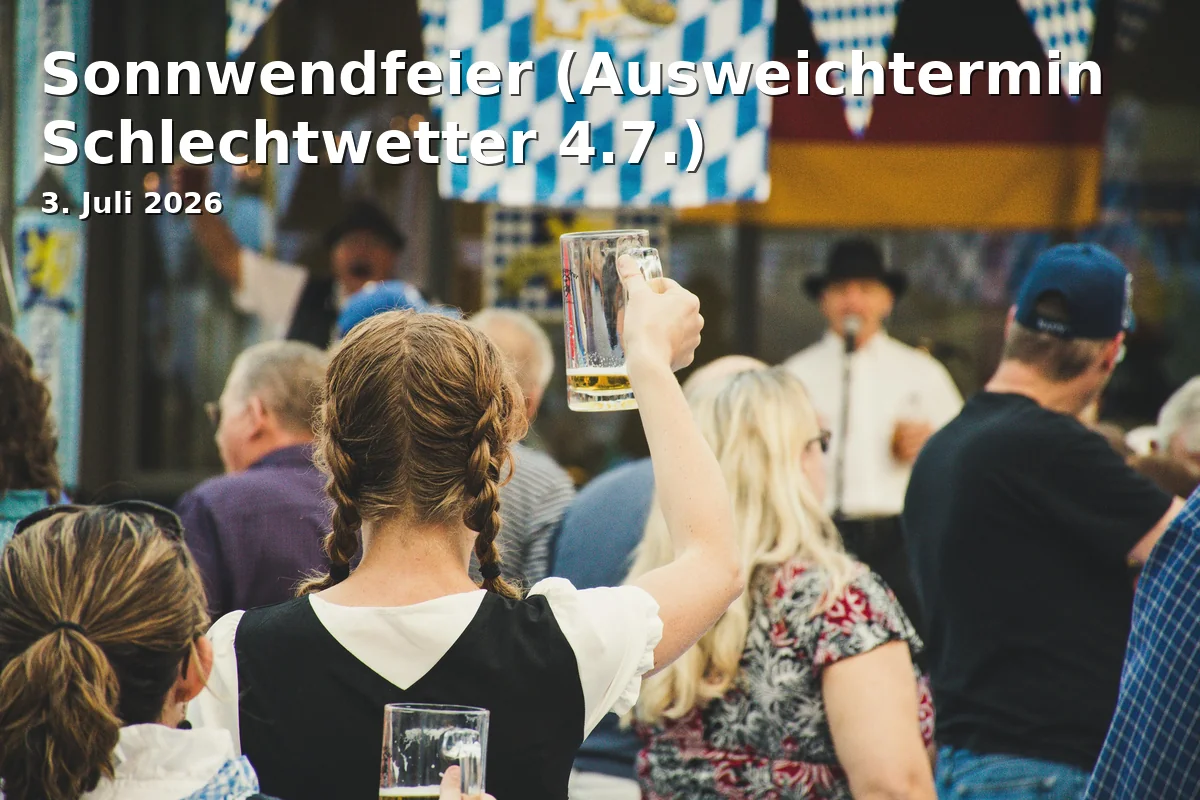
Summer Solstice Celebration (Alternative Date for Bad Weather 4.7.)
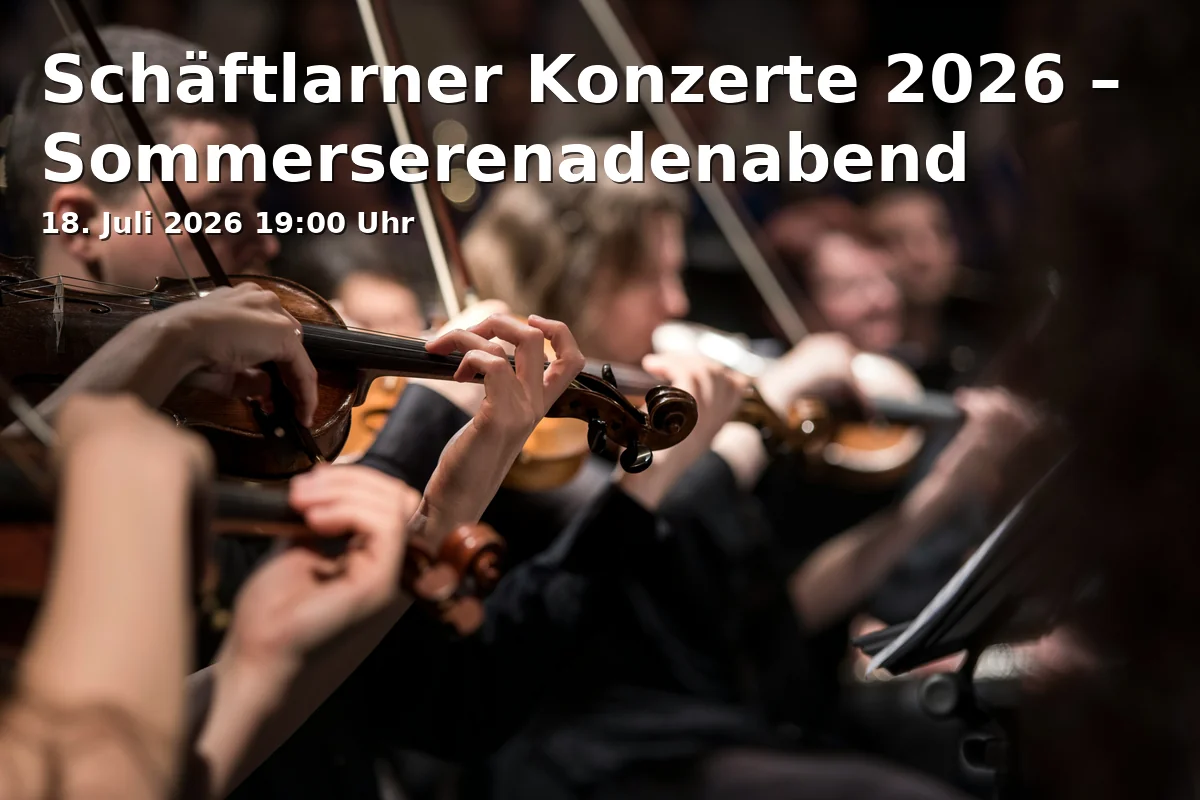
Schäftlarner Concerts 2026 – Summer Serenade Evening
A summer evening for classical music fans: The Schäftlarner Concerts 2026 bring serenades to the Klosterkirche Schäftlarn. Historical backdrop, strong acoustics, live on 18.07.2026. #Classical
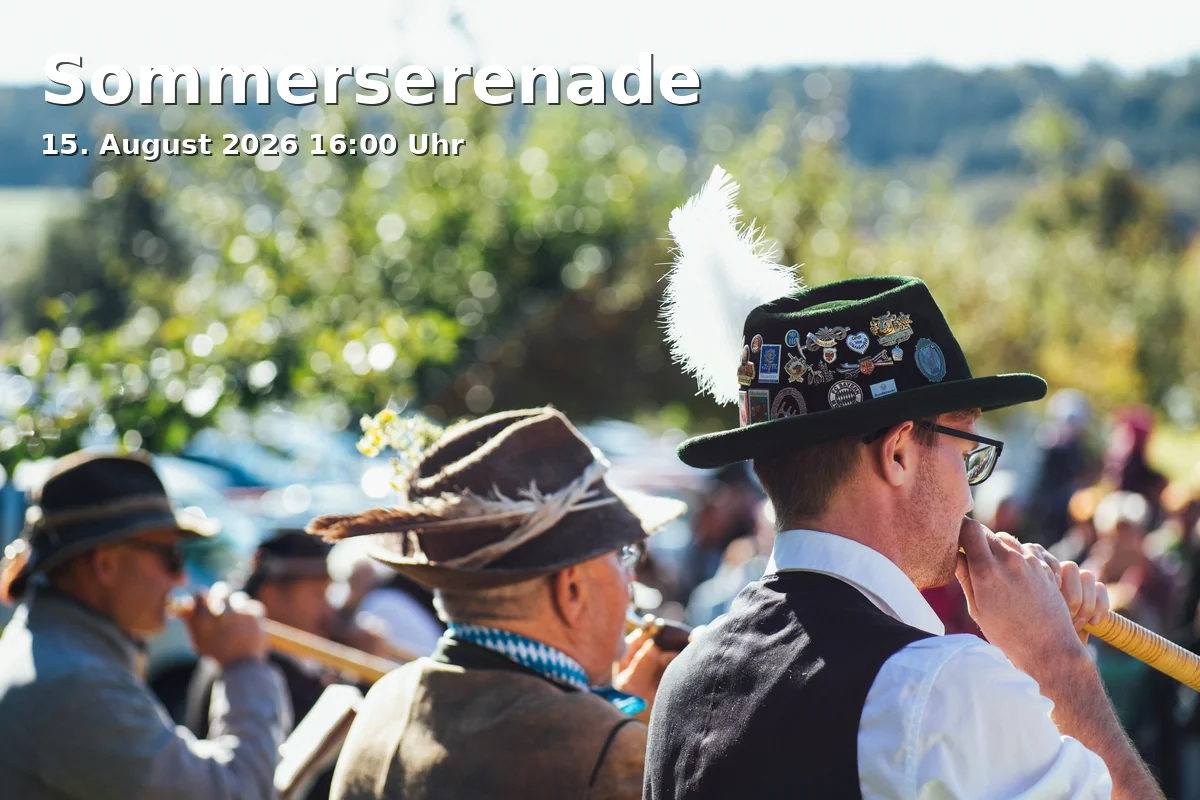
Summer Serenade
Brass music, summer air, and village charm: The Summer Serenade in Hohenschäftlarn promises a special afternoon under the open sky. Mark your calendar now! #Hohenschäftlarn
Frequently Asked Questions
Reviews
Johannes Lenz
29. December 2020
We had a quick look into the monastery church some evening before Christmas. The reason for that was that we’ve heard about the impressive crib in the monastery church. The benedictine monastery is a big building with a higher school in it, a small drug store and a church. Outside the sun was gone and it was cold and dark. We entered the church with #Bigfoot and #Littlefeet wearing masks but nobody was inside. It was somehow frightening because the church was empty and dark inside, only the Altar was shining. So #Bigfoot and #Littlefeet wanted to leave soon, which we did. Before we saw the crib in a room next to the entrance. Nice handmade crib. At this time before Christmas, we could see part of the Christmas story - the search for a safe place from Joseph and Maria.
D .R
22. August 2023
The church is beautiful and old, the store is full of super-likers and alcohol such as wine 🍷, beer 🍺 and other products. The garden is quiet and relaxing, just perfect to go out of the city hustle and bustle.
Tobias Krupp
20. May 2021
I have been going through the Isar delta from Grünwald on a day trip. At the time everything was locked down so I can only speak of the buildings from the outside. And you have to say that it's quite impressive, the main building is gigantic and the gardens very scenic.
Sam Srinivasan
1. February 2020
Beautiful abbey and biergarten in Schäftlarn. Wonderful place to visit on a sunny day and to stop for lunch and try their fabulous Kaiserschmarrn for dessert. One of the best kaiserschmarrn in Bavaria I.m.o :-) The monastery was founded in 762 by Waltrich, a Benedictine monk of noble family, on his own land. During the next two centuries the monastery grew as a result of various gifts and endowments (among them the estates of Schwabing and Hesselohe). It was restored again in the mid 19th century to what you see today.
Kugel Ball
18. October 2018
Very nice place.