
München
Kellerstraße 8a, 81667 München, Deutschland
Fat Cat Munich | Program & Parking
Fat Cat Munich is one of the most striking examples of how a vacant large building in the middle of the city can once again become a vibrant cultural venue. The house, the former Gasteig, is being renovated and should not simply stand idle. Therefore, it has been temporarily converted into the Fat Cat Cultural Center. Offices have become studios and rehearsal rooms, break gastronomy has turned into bars, and lecture rooms have become stages. Today, concerts, theater, ballet, raves, comedy, conferences, and fairs take place in the large halls. The interim use is clearly limited and runs until September 30, 2026, according to the official website. This very mix of transition, diversity, and energy is what makes the place appealing. ([fatcat-muc.de](https://fatcat-muc.de/))
For visitors, Fat Cat Munich is not a single stage, but a multifaceted house with its own rhythm. Depending on the event, one can sit in an intimate room, experience a concert in a larger hall, or drift through the house where creative users from the Munich scene work. According to the official website, over 200 tenants call the building home, and more than 50 events take place there every month. This makes Fat Cat not feel like a classic event venue with a fixed program type, but like an open cultural ecosystem that continually produces new formats. ([fatcat-muc.de](https://fatcat-muc.de/))
Current Program, Tickets, and Events
The most important keyword around Fat Cat Munich is clearly the program. Those searching for it usually want to know not only what the house is, but especially what is currently happening there. The official website shows a wide range: concerts, theater, ballet, raves, comedy, conferences, and fairs are included, as well as exhibitions and smaller formats from the independent scene. The connection between large and small productions is particularly strong because the house can accommodate formats for very different target groups through its various rooms. This is exactly what makes Fat Cat so attractive for Munich: it is not just a stage, but a place where multiple cultural levels take place simultaneously. ([fatcat-muc.de](https://fatcat-muc.de/))
In addition, there is a special density of content offerings in the house. The homepage mentions, among other things, the Milla Café, the Jazzclub Republik, the pop-up bar Live Evil, the Lucky Punch Comedy Club, the Fat Cat Laboratory, Artist in Residence, and the Cultural Rooftop Garden. This diversity is important for program searches because visitors are not only looking for a single event, but often for a specific mood, genre, or place in the house. For example, those looking for comedy find a solid anchor at Lucky Punch; those who enjoy smaller, experimental formats come across the Fat Cat Laboratory; those who prefer to experience music in a cozy atmosphere find a suitable environment at the Jazzclub Republik or the Milla Café. The program is therefore not only rich in dates but also rich in identity. ([fatcat-muc.de](https://fatcat-muc.de/))
From an SEO perspective, terms like Fat Cat Munich program, Fat Cat events, and Fat Cat tickets are sensible because they accurately reflect real user interest. Those making these searches usually want quick orientation: What is currently happening, where is it taking place, is it rather large or small, and what kind of experience can I expect? The official website provides a clear answer by describing the house as a platform for workshops, concerts, theater, exhibitions, and many other formats. For good planning, it is therefore worthwhile to pay attention not only to the name of the event but also to the respective room, as the venue often influences whether an evening feels intimate, club-like, festive, or experimental. ([fatcat-muc.de](https://fatcat-muc.de/))
Directions, Public Transport, and Parking at Fat Cat Munich
When it comes to directions, Fat Cat Munich is very clearly addressed: the visitor address for events is Rosenheimer Straße 5, 81667 Munich. According to the official contact page, arriving by public transport is particularly easy, as the S-Bahn lines S1 to S8 stop at Rosenheimer Platz, as does tram line 25. From there, it is just a short walk to the house. Additionally, the website points out that there are parking facilities for bicycles around the building. For visitors who want to arrive in Munich mobile and flexible, this is a significant advantage, as the house is located near a well-connected hub. ([fatcat-muc.de](https://fatcat-muc.de/kontakt-anfahrt/))
Those arriving by car will also find specific information on the official page. The Gasteig parking garage at Fat Cat on Rosenheimer Straße 5 with 271 parking spaces is mentioned. This is an important practical point for an inner-city cultural center, as the question of parking is often decisive for the choice of location, especially for evening events, concerts, or comedy shows. It is also important to note the separation between the visitor address and the postal address: for correspondence, the operating company lists Kellerstraße 8a, while the audience accesses the venue via Rosenheimer Straße 5. This distinction is relevant when one wants to correctly classify Fat Cat Munich or distinguish it cleanly in maps, route planners, and navigation systems. ([fatcat-muc.de](https://fatcat-muc.de/kontakt-anfahrt/))
In practice, this means: public transport is the least stressful option, especially via Rosenheimer Platz. Those who prefer to come by bicycle benefit from the parking facilities around the house. Those who rely on a car should keep an eye on the parking spaces in the parking garage and the respective event, as every available parking space counts in Munich, especially for highly demanded dates. The location profile of Fat Cat Munich is therefore typically urban: very well connected, easily accessible in everyday life, and yet located in a culturally vibrant district. This combination of a city center location and event logic is a key part of the search interest surrounding Fat Cat Munich parking and Fat Cat Munich directions. ([fatcat-muc.de](https://fatcat-muc.de/kontakt-anfahrt/))
Black Box, Carl-Orff-Saal, and the Main Venues
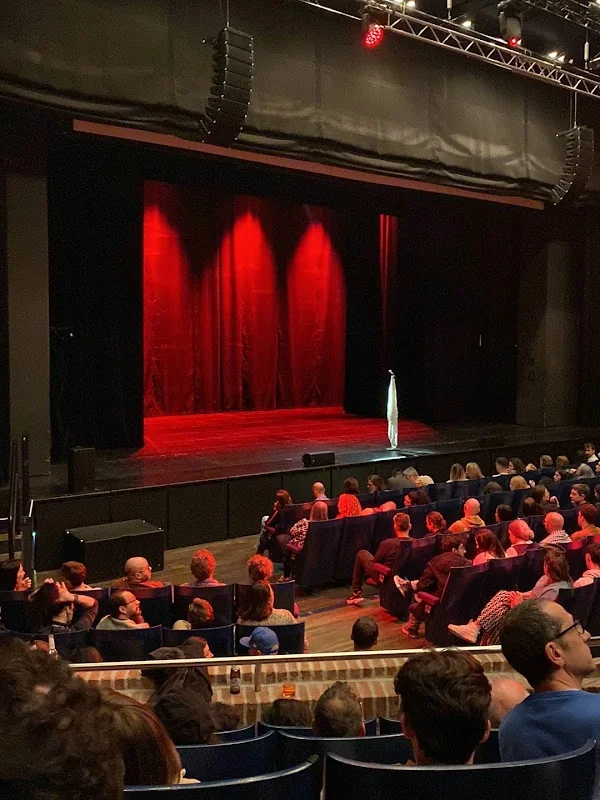
A central search theme at Fat Cat Munich is the question of the individual rooms. The official venue overview shows that the house does not function as a uniform place, but as an ensemble with clearly distinguishable performance spaces. The Small Concert Hall has 191 seats and is particularly suitable for concerts and readings. The Black Box has 249 seats and is recommended for theater performances, comedy, parties, concerts, and readings. The Carl-Orff-Saal offers 600 seats and is suitable for theater, concerts, dance, and readings. This differentiation is important because it explains why both smaller formats and larger audience evenings are possible at Fat Cat. ([fatcat-muc.de](https://fatcat-muc.de/venues/))
Even larger is the Philharmonie, which is listed on the venues page with 2300 seats, but from 2025 will only be used for a maximum of 200 people or spectators without a foyer. Additionally, there are seminar rooms with capacities of 20 to 70 people and the Fat Cat Laboratory as a multi-purpose room for up to 70 people. This range makes it clear that the venue is not only intended for classical cultural events but also for workshops, rehearsals, small experiments, and hybrid formats. Therefore, those searching for Fat Cat Carl-Orff-Saal or Fat Cat Black Box are actually looking for a house whose rooms cover very different sizes and atmospheres. ([fatcat-muc.de](https://fatcat-muc.de/venues/))
This is crucial for the perception of the location. A visitor experiencing a concert in the Black Box perceives the house differently than someone attending a larger production in the Carl-Orff-Saal. A workshop in a seminar room has a different intimacy than a ballet or concert evening in a large hall. This spatial diversity explains why Fat Cat Munich often appears in program searches together with terms like seating plan, seats, best seats, or capacity. Even if not every individual search directly targets a classic seating plan, the same practical question always lies behind it: How big is the room, and what kind of experience will I get there? The official capacity information is very helpful in this regard. ([fatcat-muc.de](https://fatcat-muc.de/venues/))
From Gasteig to Fat Cat Interim Use
The history behind Fat Cat Munich is closely linked to the former Gasteig. The official Gasteig history describes the Gasteig as a cultural center with a long and eventful history, whose name is derived from the steep old path, the gache Steig. The Gasteig was opened on November 10, 1985, with a gala concert by the Munich Philharmonic. Even then, the building was more than just a concert hall: it was a large cultural complex that brought together various institutions and uses in one place. This historical dimension explains why the location is still so strongly anchored in the collective memory of the city. ([gasteig.de](https://www.gasteig.de/en/history-of-the-gasteig/))
For the current use, it is especially important that the original Gasteig is being renovated. Fat Cat Munich emerged precisely from the desire to avoid vacancy and to temporarily revive the building. The official website states this very clearly: the house is not empty, but is being used as a cultural interim use. Former offices have become studios and rehearsal rooms, gastronomic areas have turned into bars, and lecture rooms have become stages. This principle of repurposing is one of the reasons why Fat Cat feels so special. It is not an artificially newly built cultural center, but an existing large building that has temporarily taken on a new role. The interim use ends according to the website on September 30, 2026. ([fatcat-muc.de](https://fatcat-muc.de/))
From an SEO perspective, this history is highly relevant for terms like Fat Cat Gasteig or Fat Cat Cultural Center. Users often want to know whether Fat Cat is a new name, a new location, or just a temporary venue. The answer is: it is the creative interim use of the former Gasteig, not a completely independent new construction project. This classification also helps to understand the cultural significance of the place. Fat Cat stands for transition, openness, and the ability to flexibly continue using existing infrastructure. In a city like Munich, where space is precious, this has a significant symbolic and practical impact. ([fatcat-muc.de](https://fatcat-muc.de/))
Accessibility, Gastronomy, and Practical Tips on Site
Another important search aspect is accessibility. The official contact page of Fat Cat Munich explicitly states that all venues and event spaces are accessible and that there are several elevators in the house. This is an important practical advantage for visitors with mobility impairments, but also for families, groups with strollers, or older guests. Especially in a house with many different rooms, reliable barrier-free access is a significant plus because it greatly facilitates orientation and access to events. ([fatcat-muc.de](https://fatcat-muc.de/kontakt-anfahrt/))
Gastronomically, the house is also clearly defined. The official homepage highlights the Milla Café, the Jazzclub Republik, and the pop-up bar Live Evil as fixed or recurring points in the house. Additionally, there is the Lucky Punch Comedy Club, which, according to the website, offers authentic stand-up comedy seven days a week. The Milla Café is mentioned with current opening hours, namely Monday to Thursday from 10 AM to 6 PM and Friday and Saturday from 10 AM to 10 PM. These gastronomy and club offerings are not just side shows, but part of the identity of the house. Therefore, those visiting Fat Cat Munich often experience not just a single event, but a whole environment of culture, gastronomy, and scene network. ([fatcat-muc.de](https://fatcat-muc.de/))
Additionally, the Fat Cat Laboratory is described by the website as a place where subculture is tested on a small stage, as well as the Cultural Rooftop Garden, which appears as a seasonal offering. Such formats increase the added value of the location because they not only provide an evening program but also make the whole place readable as a cultural landscape. For practical planning, this means: those coming to Fat Cat should not only keep an eye on the showtime but also on the arrival, possible duration of stay, and the pre- or post-program. Especially because the house gathers many different offerings under one roof, a slightly generous schedule is worthwhile. This makes the visit more relaxed and fits the open character of the interim use. ([fatcat-muc.de](https://fatcat-muc.de/))
Who Benefits from Fat Cat Munich
Fat Cat Munich is worthwhile for very different target groups. People looking for a concert, theater, or comedy show will find rooms here in various sizes and atmospheres. Visitors interested in creative interim use and urban cultural development receive a particularly vivid example of how a large property can be revived in a short time. And organizers also benefit from the house, as the official website explicitly invites them to implement their own ideas as events in FAT CAT. Workshops, concerts, theater, and exhibitions are mentioned as examples. This openness is a core characteristic of the place. ([fatcat-muc.de](https://fatcat-muc.de/))
It is also important to realistically classify: Fat Cat is an interim use and not the classic, technically fully planned state of a permanently newly built house. The venue page points out that not all technical possibilities or resources of the former Gasteig are available at Fat Cat and that not everything can be implemented at the speed of the past. This honesty is helpful because it sets expectations correctly. Therefore, those visiting the house should not expect a museum or a standard concert hall, but a lively, experimental, and sometimes deliberately improvised cultural space. This is precisely where the special quality of Fat Cat Munich lies. ([fatcat-muc.de](https://fatcat-muc.de/venues/))
In the end, Fat Cat Munich connects several strong search intentions simultaneously: program, parking, directions, venues, accessibility, and history. This makes the place particularly attractive from an SEO perspective because behind almost every keyword there is a real practical need. Ultimately, what matters to users is that they quickly understand what to expect: a well-accessible cultural address in the former Gasteig, a diverse program, several clearly defined halls, and a limited but very active interim use. This mixture makes the name Fat Cat Munich so memorable and relevant for the search context. ([fatcat-muc.de](https://fatcat-muc.de/kontakt-anfahrt/))
Sources:
Show moreShow less
Fat Cat Munich | Program & Parking
Fat Cat Munich is one of the most striking examples of how a vacant large building in the middle of the city can once again become a vibrant cultural venue. The house, the former Gasteig, is being renovated and should not simply stand idle. Therefore, it has been temporarily converted into the Fat Cat Cultural Center. Offices have become studios and rehearsal rooms, break gastronomy has turned into bars, and lecture rooms have become stages. Today, concerts, theater, ballet, raves, comedy, conferences, and fairs take place in the large halls. The interim use is clearly limited and runs until September 30, 2026, according to the official website. This very mix of transition, diversity, and energy is what makes the place appealing. ([fatcat-muc.de](https://fatcat-muc.de/))
For visitors, Fat Cat Munich is not a single stage, but a multifaceted house with its own rhythm. Depending on the event, one can sit in an intimate room, experience a concert in a larger hall, or drift through the house where creative users from the Munich scene work. According to the official website, over 200 tenants call the building home, and more than 50 events take place there every month. This makes Fat Cat not feel like a classic event venue with a fixed program type, but like an open cultural ecosystem that continually produces new formats. ([fatcat-muc.de](https://fatcat-muc.de/))
Current Program, Tickets, and Events
The most important keyword around Fat Cat Munich is clearly the program. Those searching for it usually want to know not only what the house is, but especially what is currently happening there. The official website shows a wide range: concerts, theater, ballet, raves, comedy, conferences, and fairs are included, as well as exhibitions and smaller formats from the independent scene. The connection between large and small productions is particularly strong because the house can accommodate formats for very different target groups through its various rooms. This is exactly what makes Fat Cat so attractive for Munich: it is not just a stage, but a place where multiple cultural levels take place simultaneously. ([fatcat-muc.de](https://fatcat-muc.de/))
In addition, there is a special density of content offerings in the house. The homepage mentions, among other things, the Milla Café, the Jazzclub Republik, the pop-up bar Live Evil, the Lucky Punch Comedy Club, the Fat Cat Laboratory, Artist in Residence, and the Cultural Rooftop Garden. This diversity is important for program searches because visitors are not only looking for a single event, but often for a specific mood, genre, or place in the house. For example, those looking for comedy find a solid anchor at Lucky Punch; those who enjoy smaller, experimental formats come across the Fat Cat Laboratory; those who prefer to experience music in a cozy atmosphere find a suitable environment at the Jazzclub Republik or the Milla Café. The program is therefore not only rich in dates but also rich in identity. ([fatcat-muc.de](https://fatcat-muc.de/))
From an SEO perspective, terms like Fat Cat Munich program, Fat Cat events, and Fat Cat tickets are sensible because they accurately reflect real user interest. Those making these searches usually want quick orientation: What is currently happening, where is it taking place, is it rather large or small, and what kind of experience can I expect? The official website provides a clear answer by describing the house as a platform for workshops, concerts, theater, exhibitions, and many other formats. For good planning, it is therefore worthwhile to pay attention not only to the name of the event but also to the respective room, as the venue often influences whether an evening feels intimate, club-like, festive, or experimental. ([fatcat-muc.de](https://fatcat-muc.de/))
Directions, Public Transport, and Parking at Fat Cat Munich
When it comes to directions, Fat Cat Munich is very clearly addressed: the visitor address for events is Rosenheimer Straße 5, 81667 Munich. According to the official contact page, arriving by public transport is particularly easy, as the S-Bahn lines S1 to S8 stop at Rosenheimer Platz, as does tram line 25. From there, it is just a short walk to the house. Additionally, the website points out that there are parking facilities for bicycles around the building. For visitors who want to arrive in Munich mobile and flexible, this is a significant advantage, as the house is located near a well-connected hub. ([fatcat-muc.de](https://fatcat-muc.de/kontakt-anfahrt/))
Those arriving by car will also find specific information on the official page. The Gasteig parking garage at Fat Cat on Rosenheimer Straße 5 with 271 parking spaces is mentioned. This is an important practical point for an inner-city cultural center, as the question of parking is often decisive for the choice of location, especially for evening events, concerts, or comedy shows. It is also important to note the separation between the visitor address and the postal address: for correspondence, the operating company lists Kellerstraße 8a, while the audience accesses the venue via Rosenheimer Straße 5. This distinction is relevant when one wants to correctly classify Fat Cat Munich or distinguish it cleanly in maps, route planners, and navigation systems. ([fatcat-muc.de](https://fatcat-muc.de/kontakt-anfahrt/))
In practice, this means: public transport is the least stressful option, especially via Rosenheimer Platz. Those who prefer to come by bicycle benefit from the parking facilities around the house. Those who rely on a car should keep an eye on the parking spaces in the parking garage and the respective event, as every available parking space counts in Munich, especially for highly demanded dates. The location profile of Fat Cat Munich is therefore typically urban: very well connected, easily accessible in everyday life, and yet located in a culturally vibrant district. This combination of a city center location and event logic is a key part of the search interest surrounding Fat Cat Munich parking and Fat Cat Munich directions. ([fatcat-muc.de](https://fatcat-muc.de/kontakt-anfahrt/))
Black Box, Carl-Orff-Saal, and the Main Venues
A central search theme at Fat Cat Munich is the question of the individual rooms. The official venue overview shows that the house does not function as a uniform place, but as an ensemble with clearly distinguishable performance spaces. The Small Concert Hall has 191 seats and is particularly suitable for concerts and readings. The Black Box has 249 seats and is recommended for theater performances, comedy, parties, concerts, and readings. The Carl-Orff-Saal offers 600 seats and is suitable for theater, concerts, dance, and readings. This differentiation is important because it explains why both smaller formats and larger audience evenings are possible at Fat Cat. ([fatcat-muc.de](https://fatcat-muc.de/venues/))
Even larger is the Philharmonie, which is listed on the venues page with 2300 seats, but from 2025 will only be used for a maximum of 200 people or spectators without a foyer. Additionally, there are seminar rooms with capacities of 20 to 70 people and the Fat Cat Laboratory as a multi-purpose room for up to 70 people. This range makes it clear that the venue is not only intended for classical cultural events but also for workshops, rehearsals, small experiments, and hybrid formats. Therefore, those searching for Fat Cat Carl-Orff-Saal or Fat Cat Black Box are actually looking for a house whose rooms cover very different sizes and atmospheres. ([fatcat-muc.de](https://fatcat-muc.de/venues/))
This is crucial for the perception of the location. A visitor experiencing a concert in the Black Box perceives the house differently than someone attending a larger production in the Carl-Orff-Saal. A workshop in a seminar room has a different intimacy than a ballet or concert evening in a large hall. This spatial diversity explains why Fat Cat Munich often appears in program searches together with terms like seating plan, seats, best seats, or capacity. Even if not every individual search directly targets a classic seating plan, the same practical question always lies behind it: How big is the room, and what kind of experience will I get there? The official capacity information is very helpful in this regard. ([fatcat-muc.de](https://fatcat-muc.de/venues/))
From Gasteig to Fat Cat Interim Use
The history behind Fat Cat Munich is closely linked to the former Gasteig. The official Gasteig history describes the Gasteig as a cultural center with a long and eventful history, whose name is derived from the steep old path, the gache Steig. The Gasteig was opened on November 10, 1985, with a gala concert by the Munich Philharmonic. Even then, the building was more than just a concert hall: it was a large cultural complex that brought together various institutions and uses in one place. This historical dimension explains why the location is still so strongly anchored in the collective memory of the city. ([gasteig.de](https://www.gasteig.de/en/history-of-the-gasteig/))
For the current use, it is especially important that the original Gasteig is being renovated. Fat Cat Munich emerged precisely from the desire to avoid vacancy and to temporarily revive the building. The official website states this very clearly: the house is not empty, but is being used as a cultural interim use. Former offices have become studios and rehearsal rooms, gastronomic areas have turned into bars, and lecture rooms have become stages. This principle of repurposing is one of the reasons why Fat Cat feels so special. It is not an artificially newly built cultural center, but an existing large building that has temporarily taken on a new role. The interim use ends according to the website on September 30, 2026. ([fatcat-muc.de](https://fatcat-muc.de/))
From an SEO perspective, this history is highly relevant for terms like Fat Cat Gasteig or Fat Cat Cultural Center. Users often want to know whether Fat Cat is a new name, a new location, or just a temporary venue. The answer is: it is the creative interim use of the former Gasteig, not a completely independent new construction project. This classification also helps to understand the cultural significance of the place. Fat Cat stands for transition, openness, and the ability to flexibly continue using existing infrastructure. In a city like Munich, where space is precious, this has a significant symbolic and practical impact. ([fatcat-muc.de](https://fatcat-muc.de/))
Accessibility, Gastronomy, and Practical Tips on Site
Another important search aspect is accessibility. The official contact page of Fat Cat Munich explicitly states that all venues and event spaces are accessible and that there are several elevators in the house. This is an important practical advantage for visitors with mobility impairments, but also for families, groups with strollers, or older guests. Especially in a house with many different rooms, reliable barrier-free access is a significant plus because it greatly facilitates orientation and access to events. ([fatcat-muc.de](https://fatcat-muc.de/kontakt-anfahrt/))
Gastronomically, the house is also clearly defined. The official homepage highlights the Milla Café, the Jazzclub Republik, and the pop-up bar Live Evil as fixed or recurring points in the house. Additionally, there is the Lucky Punch Comedy Club, which, according to the website, offers authentic stand-up comedy seven days a week. The Milla Café is mentioned with current opening hours, namely Monday to Thursday from 10 AM to 6 PM and Friday and Saturday from 10 AM to 10 PM. These gastronomy and club offerings are not just side shows, but part of the identity of the house. Therefore, those visiting Fat Cat Munich often experience not just a single event, but a whole environment of culture, gastronomy, and scene network. ([fatcat-muc.de](https://fatcat-muc.de/))
Additionally, the Fat Cat Laboratory is described by the website as a place where subculture is tested on a small stage, as well as the Cultural Rooftop Garden, which appears as a seasonal offering. Such formats increase the added value of the location because they not only provide an evening program but also make the whole place readable as a cultural landscape. For practical planning, this means: those coming to Fat Cat should not only keep an eye on the showtime but also on the arrival, possible duration of stay, and the pre- or post-program. Especially because the house gathers many different offerings under one roof, a slightly generous schedule is worthwhile. This makes the visit more relaxed and fits the open character of the interim use. ([fatcat-muc.de](https://fatcat-muc.de/))
Who Benefits from Fat Cat Munich
Fat Cat Munich is worthwhile for very different target groups. People looking for a concert, theater, or comedy show will find rooms here in various sizes and atmospheres. Visitors interested in creative interim use and urban cultural development receive a particularly vivid example of how a large property can be revived in a short time. And organizers also benefit from the house, as the official website explicitly invites them to implement their own ideas as events in FAT CAT. Workshops, concerts, theater, and exhibitions are mentioned as examples. This openness is a core characteristic of the place. ([fatcat-muc.de](https://fatcat-muc.de/))
It is also important to realistically classify: Fat Cat is an interim use and not the classic, technically fully planned state of a permanently newly built house. The venue page points out that not all technical possibilities or resources of the former Gasteig are available at Fat Cat and that not everything can be implemented at the speed of the past. This honesty is helpful because it sets expectations correctly. Therefore, those visiting the house should not expect a museum or a standard concert hall, but a lively, experimental, and sometimes deliberately improvised cultural space. This is precisely where the special quality of Fat Cat Munich lies. ([fatcat-muc.de](https://fatcat-muc.de/venues/))
In the end, Fat Cat Munich connects several strong search intentions simultaneously: program, parking, directions, venues, accessibility, and history. This makes the place particularly attractive from an SEO perspective because behind almost every keyword there is a real practical need. Ultimately, what matters to users is that they quickly understand what to expect: a well-accessible cultural address in the former Gasteig, a diverse program, several clearly defined halls, and a limited but very active interim use. This mixture makes the name Fat Cat Munich so memorable and relevant for the search context. ([fatcat-muc.de](https://fatcat-muc.de/kontakt-anfahrt/))
Sources:
Fat Cat Munich | Program & Parking
Fat Cat Munich is one of the most striking examples of how a vacant large building in the middle of the city can once again become a vibrant cultural venue. The house, the former Gasteig, is being renovated and should not simply stand idle. Therefore, it has been temporarily converted into the Fat Cat Cultural Center. Offices have become studios and rehearsal rooms, break gastronomy has turned into bars, and lecture rooms have become stages. Today, concerts, theater, ballet, raves, comedy, conferences, and fairs take place in the large halls. The interim use is clearly limited and runs until September 30, 2026, according to the official website. This very mix of transition, diversity, and energy is what makes the place appealing. ([fatcat-muc.de](https://fatcat-muc.de/))
For visitors, Fat Cat Munich is not a single stage, but a multifaceted house with its own rhythm. Depending on the event, one can sit in an intimate room, experience a concert in a larger hall, or drift through the house where creative users from the Munich scene work. According to the official website, over 200 tenants call the building home, and more than 50 events take place there every month. This makes Fat Cat not feel like a classic event venue with a fixed program type, but like an open cultural ecosystem that continually produces new formats. ([fatcat-muc.de](https://fatcat-muc.de/))
Current Program, Tickets, and Events
The most important keyword around Fat Cat Munich is clearly the program. Those searching for it usually want to know not only what the house is, but especially what is currently happening there. The official website shows a wide range: concerts, theater, ballet, raves, comedy, conferences, and fairs are included, as well as exhibitions and smaller formats from the independent scene. The connection between large and small productions is particularly strong because the house can accommodate formats for very different target groups through its various rooms. This is exactly what makes Fat Cat so attractive for Munich: it is not just a stage, but a place where multiple cultural levels take place simultaneously. ([fatcat-muc.de](https://fatcat-muc.de/))
In addition, there is a special density of content offerings in the house. The homepage mentions, among other things, the Milla Café, the Jazzclub Republik, the pop-up bar Live Evil, the Lucky Punch Comedy Club, the Fat Cat Laboratory, Artist in Residence, and the Cultural Rooftop Garden. This diversity is important for program searches because visitors are not only looking for a single event, but often for a specific mood, genre, or place in the house. For example, those looking for comedy find a solid anchor at Lucky Punch; those who enjoy smaller, experimental formats come across the Fat Cat Laboratory; those who prefer to experience music in a cozy atmosphere find a suitable environment at the Jazzclub Republik or the Milla Café. The program is therefore not only rich in dates but also rich in identity. ([fatcat-muc.de](https://fatcat-muc.de/))
From an SEO perspective, terms like Fat Cat Munich program, Fat Cat events, and Fat Cat tickets are sensible because they accurately reflect real user interest. Those making these searches usually want quick orientation: What is currently happening, where is it taking place, is it rather large or small, and what kind of experience can I expect? The official website provides a clear answer by describing the house as a platform for workshops, concerts, theater, exhibitions, and many other formats. For good planning, it is therefore worthwhile to pay attention not only to the name of the event but also to the respective room, as the venue often influences whether an evening feels intimate, club-like, festive, or experimental. ([fatcat-muc.de](https://fatcat-muc.de/))
Directions, Public Transport, and Parking at Fat Cat Munich
When it comes to directions, Fat Cat Munich is very clearly addressed: the visitor address for events is Rosenheimer Straße 5, 81667 Munich. According to the official contact page, arriving by public transport is particularly easy, as the S-Bahn lines S1 to S8 stop at Rosenheimer Platz, as does tram line 25. From there, it is just a short walk to the house. Additionally, the website points out that there are parking facilities for bicycles around the building. For visitors who want to arrive in Munich mobile and flexible, this is a significant advantage, as the house is located near a well-connected hub. ([fatcat-muc.de](https://fatcat-muc.de/kontakt-anfahrt/))
Those arriving by car will also find specific information on the official page. The Gasteig parking garage at Fat Cat on Rosenheimer Straße 5 with 271 parking spaces is mentioned. This is an important practical point for an inner-city cultural center, as the question of parking is often decisive for the choice of location, especially for evening events, concerts, or comedy shows. It is also important to note the separation between the visitor address and the postal address: for correspondence, the operating company lists Kellerstraße 8a, while the audience accesses the venue via Rosenheimer Straße 5. This distinction is relevant when one wants to correctly classify Fat Cat Munich or distinguish it cleanly in maps, route planners, and navigation systems. ([fatcat-muc.de](https://fatcat-muc.de/kontakt-anfahrt/))
In practice, this means: public transport is the least stressful option, especially via Rosenheimer Platz. Those who prefer to come by bicycle benefit from the parking facilities around the house. Those who rely on a car should keep an eye on the parking spaces in the parking garage and the respective event, as every available parking space counts in Munich, especially for highly demanded dates. The location profile of Fat Cat Munich is therefore typically urban: very well connected, easily accessible in everyday life, and yet located in a culturally vibrant district. This combination of a city center location and event logic is a key part of the search interest surrounding Fat Cat Munich parking and Fat Cat Munich directions. ([fatcat-muc.de](https://fatcat-muc.de/kontakt-anfahrt/))
Black Box, Carl-Orff-Saal, and the Main Venues
A central search theme at Fat Cat Munich is the question of the individual rooms. The official venue overview shows that the house does not function as a uniform place, but as an ensemble with clearly distinguishable performance spaces. The Small Concert Hall has 191 seats and is particularly suitable for concerts and readings. The Black Box has 249 seats and is recommended for theater performances, comedy, parties, concerts, and readings. The Carl-Orff-Saal offers 600 seats and is suitable for theater, concerts, dance, and readings. This differentiation is important because it explains why both smaller formats and larger audience evenings are possible at Fat Cat. ([fatcat-muc.de](https://fatcat-muc.de/venues/))
Even larger is the Philharmonie, which is listed on the venues page with 2300 seats, but from 2025 will only be used for a maximum of 200 people or spectators without a foyer. Additionally, there are seminar rooms with capacities of 20 to 70 people and the Fat Cat Laboratory as a multi-purpose room for up to 70 people. This range makes it clear that the venue is not only intended for classical cultural events but also for workshops, rehearsals, small experiments, and hybrid formats. Therefore, those searching for Fat Cat Carl-Orff-Saal or Fat Cat Black Box are actually looking for a house whose rooms cover very different sizes and atmospheres. ([fatcat-muc.de](https://fatcat-muc.de/venues/))
This is crucial for the perception of the location. A visitor experiencing a concert in the Black Box perceives the house differently than someone attending a larger production in the Carl-Orff-Saal. A workshop in a seminar room has a different intimacy than a ballet or concert evening in a large hall. This spatial diversity explains why Fat Cat Munich often appears in program searches together with terms like seating plan, seats, best seats, or capacity. Even if not every individual search directly targets a classic seating plan, the same practical question always lies behind it: How big is the room, and what kind of experience will I get there? The official capacity information is very helpful in this regard. ([fatcat-muc.de](https://fatcat-muc.de/venues/))
From Gasteig to Fat Cat Interim Use
The history behind Fat Cat Munich is closely linked to the former Gasteig. The official Gasteig history describes the Gasteig as a cultural center with a long and eventful history, whose name is derived from the steep old path, the gache Steig. The Gasteig was opened on November 10, 1985, with a gala concert by the Munich Philharmonic. Even then, the building was more than just a concert hall: it was a large cultural complex that brought together various institutions and uses in one place. This historical dimension explains why the location is still so strongly anchored in the collective memory of the city. ([gasteig.de](https://www.gasteig.de/en/history-of-the-gasteig/))
For the current use, it is especially important that the original Gasteig is being renovated. Fat Cat Munich emerged precisely from the desire to avoid vacancy and to temporarily revive the building. The official website states this very clearly: the house is not empty, but is being used as a cultural interim use. Former offices have become studios and rehearsal rooms, gastronomic areas have turned into bars, and lecture rooms have become stages. This principle of repurposing is one of the reasons why Fat Cat feels so special. It is not an artificially newly built cultural center, but an existing large building that has temporarily taken on a new role. The interim use ends according to the website on September 30, 2026. ([fatcat-muc.de](https://fatcat-muc.de/))
From an SEO perspective, this history is highly relevant for terms like Fat Cat Gasteig or Fat Cat Cultural Center. Users often want to know whether Fat Cat is a new name, a new location, or just a temporary venue. The answer is: it is the creative interim use of the former Gasteig, not a completely independent new construction project. This classification also helps to understand the cultural significance of the place. Fat Cat stands for transition, openness, and the ability to flexibly continue using existing infrastructure. In a city like Munich, where space is precious, this has a significant symbolic and practical impact. ([fatcat-muc.de](https://fatcat-muc.de/))
Accessibility, Gastronomy, and Practical Tips on Site
Another important search aspect is accessibility. The official contact page of Fat Cat Munich explicitly states that all venues and event spaces are accessible and that there are several elevators in the house. This is an important practical advantage for visitors with mobility impairments, but also for families, groups with strollers, or older guests. Especially in a house with many different rooms, reliable barrier-free access is a significant plus because it greatly facilitates orientation and access to events. ([fatcat-muc.de](https://fatcat-muc.de/kontakt-anfahrt/))
Gastronomically, the house is also clearly defined. The official homepage highlights the Milla Café, the Jazzclub Republik, and the pop-up bar Live Evil as fixed or recurring points in the house. Additionally, there is the Lucky Punch Comedy Club, which, according to the website, offers authentic stand-up comedy seven days a week. The Milla Café is mentioned with current opening hours, namely Monday to Thursday from 10 AM to 6 PM and Friday and Saturday from 10 AM to 10 PM. These gastronomy and club offerings are not just side shows, but part of the identity of the house. Therefore, those visiting Fat Cat Munich often experience not just a single event, but a whole environment of culture, gastronomy, and scene network. ([fatcat-muc.de](https://fatcat-muc.de/))
Additionally, the Fat Cat Laboratory is described by the website as a place where subculture is tested on a small stage, as well as the Cultural Rooftop Garden, which appears as a seasonal offering. Such formats increase the added value of the location because they not only provide an evening program but also make the whole place readable as a cultural landscape. For practical planning, this means: those coming to Fat Cat should not only keep an eye on the showtime but also on the arrival, possible duration of stay, and the pre- or post-program. Especially because the house gathers many different offerings under one roof, a slightly generous schedule is worthwhile. This makes the visit more relaxed and fits the open character of the interim use. ([fatcat-muc.de](https://fatcat-muc.de/))
Who Benefits from Fat Cat Munich
Fat Cat Munich is worthwhile for very different target groups. People looking for a concert, theater, or comedy show will find rooms here in various sizes and atmospheres. Visitors interested in creative interim use and urban cultural development receive a particularly vivid example of how a large property can be revived in a short time. And organizers also benefit from the house, as the official website explicitly invites them to implement their own ideas as events in FAT CAT. Workshops, concerts, theater, and exhibitions are mentioned as examples. This openness is a core characteristic of the place. ([fatcat-muc.de](https://fatcat-muc.de/))
It is also important to realistically classify: Fat Cat is an interim use and not the classic, technically fully planned state of a permanently newly built house. The venue page points out that not all technical possibilities or resources of the former Gasteig are available at Fat Cat and that not everything can be implemented at the speed of the past. This honesty is helpful because it sets expectations correctly. Therefore, those visiting the house should not expect a museum or a standard concert hall, but a lively, experimental, and sometimes deliberately improvised cultural space. This is precisely where the special quality of Fat Cat Munich lies. ([fatcat-muc.de](https://fatcat-muc.de/venues/))
In the end, Fat Cat Munich connects several strong search intentions simultaneously: program, parking, directions, venues, accessibility, and history. This makes the place particularly attractive from an SEO perspective because behind almost every keyword there is a real practical need. Ultimately, what matters to users is that they quickly understand what to expect: a well-accessible cultural address in the former Gasteig, a diverse program, several clearly defined halls, and a limited but very active interim use. This mixture makes the name Fat Cat Munich so memorable and relevant for the search context. ([fatcat-muc.de](https://fatcat-muc.de/kontakt-anfahrt/))
Sources:
Upcoming Events
Last Squad Standing – The Ultimate Team Quiz Competition
Riddles, team spirit, and thrills in the Blackbox at FAT CAT: Last Squad Standing makes Munich the quiz hotspot. 27.06.2026, 19:30. Secure your spots now. #Munich #Quizshow
FUNFACTS - Host: Hannes Jaenicke
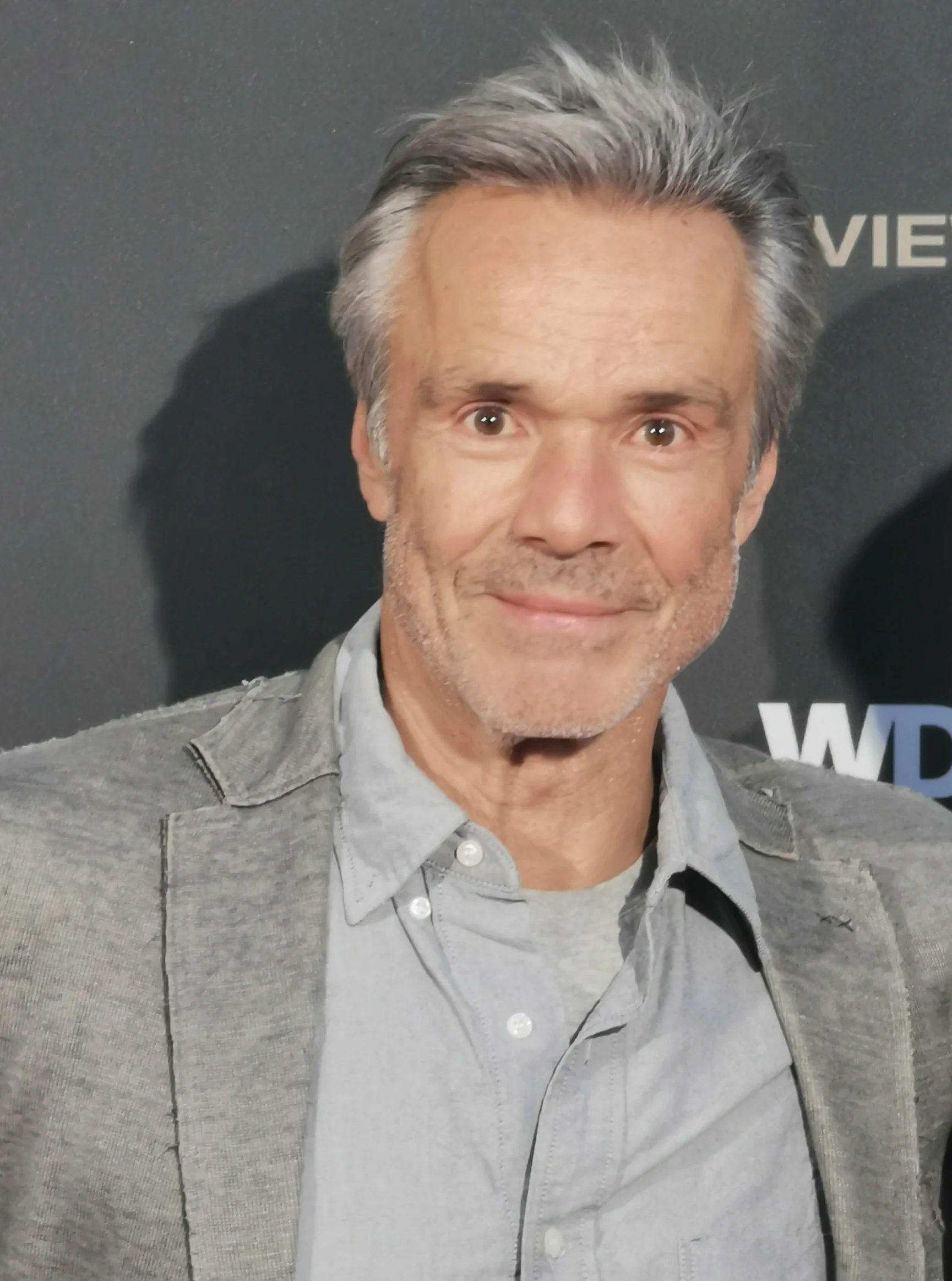
Munich receives an evening with attitude, pace, and clever punchlines: FUNFACTS with Hannes Jaenicke in the Blackbox at Fat Cat. 30.06.2026, live and close. #Munich
Frequently Asked Questions
Reviews
Rebel Rebele
10. January 2026
What a fabulous show at the Fat Cat. Easy access with parking underground. Good view from all seats, although highly recommended B. Drinks for both kids and adults at the bar and plenty of toilet facilities. We watched the ballet of lights. It was incredible and a perfect hour for the children to sit through.
E Fischer
15. February 2026
First time experience with ballet of lights: sleeping beauty. The performances and the light effects were very beautiful, the music was fabulous. Unfortunately I wasn't very familiar with the fairytale anymore which would have helped with the story line. The performance could have been longer. Overall a nice experience.
Christin Ungewiss
1. March 2026
Great show and nice accommodation. However the entrance is very hard to find. A few more signs would be beneficial. After the show it would be nice to have more staff handing out the coats/jackets. Having to wait more than 15min after the show wasn't great. Show itself was great and the staff very friendly.
Eugenia E
27. November 2025
The venue is not in a good condition, repair and cleaning is required. Broken toilets, no soap, no toilet paper, extremely poorly organized garderobe, which led to a delay in people entering the concert, and you still have to pay €2 for it, and no option to keep your jacket with you! Unacceptable.
Molka Farhood
17. February 2024
Amazing exhibition featuring the intersection of Dalì and Hitchcock. We thoroughly enjoyed exploring Dalì’s original pieces and delving deeper into his perspective, sketches, and contributions to Hitchcock's films. The virtual reality tour was also a highlight, providing an immersive experience. It is available in several languages apart from German and English. I highly recommend trying the VR tour multiple times, followed by dinner at the Munich Munch Market.