
Eching
85386 Eching, Germany
Garchinger Heide | What is blooming now & Parking
The Garchinger Heide is one of the most precious heath relics in the northern Munich area: a 27-hectare nature reserve located on the Munich gravel plain, southeast of the municipality of Eching. Here, calcareous, dry gravel soils meet a continental climate that has produced a unique flora and fauna over centuries. Visitors appreciate the Garchinger Heide for its quiet paths, the vibrant blooming periods, and the traces of early cultures that date back to the Bronze Age. At the same time, the area is highly sensitive: many plants are on the Red List, ground-nesting birds need peace, and the habitats are sensitive to trampling damage and nutrient inputs. Those who explore the heath not only experience nature but also contribute to its preservation through considerate behavior. Conveniently, access is straightforward via Eching, and from the designated parking lot Baggersee am Hart on Dietersheimer Straße, a short walking path leads to the boundary of the protected area. This achieves a balance between nature experience and nature conservation.
What is blooming now in the Garchinger Heide? Seasonal calendar for spring, summer, and autumn
The most frequently asked question about the Garchinger Heide is: What is currently blooming? The answer depends heavily on the season and weather conditions, but the typical blooming rhythm of the calcareous dry grasslands is well documented. In spring, the cycle begins when the sun quickly warms the gravel soil. Then the first spring messengers appear: kitchen bells in various forms shine in violet tones, and the spring adonis rose sets strong yellow accents. These species are perfectly adapted to the barren, dry conditions and take advantage of the still sparse vegetation before grasses and herbs shoot up in early summer. As the season progresses, more specialists shape the landscape: characteristic of summer are the bright white stars of the spike grass lily and the blue tufts of the perennial flax. In dry, open areas, small cushions of the heath rose with a delicate fragrance may stand out. During this time, a closer look is also worthwhile for insect enthusiasts: butterflies like the Argus blue or the large pearl butterfly take advantage of the variety of nectar plants. Autumn finally surprises with species that start their blooming strategy late. This includes the German gentian, which stands out with dark, intense flower candles in the low vegetation. The silver thistle is also hard to miss, as its robust, star-shaped heads remain open even on dry late summer days and shape the typical image of many calcareous dry grasslands in late autumn. This rhythm of the seasons explains why the question What is blooming now is asked so often: the Garchinger Heide offers new details almost every week. However, it is important to respect the protection while observing. Flowering plants must not be picked, and even for photography, one should stay on the path to avoid damaging the sensitive areas. Those planning their tour can schedule the spring phase for kitchen bells and adonis roses, high summer for grass lily and flax, and early autumn for the German gentian. This allows for a meaningful connection between nature experience and species protection.
Access and Parking: How to reach the heath and where to park safely
The Garchinger Heide is located between Eching and Dietersheim, north of Munich, and is best accessed via Eching. For car access, the parking lot Baggersee am Hart on Dietersheimer Straße in 85386 Eching has become established. From there, field and farm roads lead in just a few minutes to the boundary of the protected area; signposts and information boards in the vicinity assist with orientation. Those coming from the direction of the highway typically use the Eching exit and reach Dietersheimer Straße via local connections. For navigation devices, entering parking lot Baggersee am Hart or searching for Garchinger Heide in map apps is sufficient. Please observe the basic rules: do not park in no-parking zones, on agricultural access roads, or directly at the edges of the protected area. This protects paths, neighbors, and the sensitive biotope network. For those arriving without a car, the S-Bahn connection from surrounding towns and regional bus lines are practical alternatives, combined with a short walk. Bicycles are well-suited for the approach, but riding is not permitted within the nature reserve itself. It is advisable to securely park the bike at suitable locations outside the protected area and continue the visit on foot. Those wishing to travel as environmentally friendly as possible should plan a circular route, start early in the day or later in the afternoon, and avoid the most sensitive areas during peak blooming times when many insects are active. This preserves the tranquility of the heath, allowing you to enjoy the floral splendor, the diverse insect world, and the wide views undisturbed.
Hiking in the Garchinger Heide: Paths, access, and nature conservation rules
Hiking in the Garchinger Heide means entering a quiet, open landscape where every footstep counts. The most important principles can be summarized quickly: please stay on the marked paths, do not leave the areas off the trails, and maintain a sufficient distance from sensitive areas. The area serves as a retreat for numerous rare plants and animals that can hardly withstand trampling damage, disturbances, and altered nutrient inputs. Therefore, some activities in the nature reserve are expressly prohibited: dogs are not allowed on the area, cycling is not permitted in the protected area, and flowers and plant parts must not be picked. Open fires, camping, or flying models are also forbidden. These rules protect, among other things, ground-nesting bird species like the skylark, which rely on quiet and undisturbed meadows, as well as endangered grasshoppers that are bound to dry, warm, sparse vegetation structures. Those who are mindful will be richly rewarded: many botanical specialities can be discovered right by the path without entering the sensitive populations. With a little patience, insights into the formation of the heath and its maintenance open up: mowing, clearing, and targeted measures on adjacent areas help preserve the typical, low calcareous dry grassland. For longer walks, it is advisable to connect the round with neighboring landscapes. The Echinger Lohe, a historic remnant of a dye forest, is in close proximity, and in a larger network, there are further protected areas of the Natura 2000 network. Those on a half-day tour can experience diverse contrasts between open heath areas, fields, and forests. On every tour, be sure to stay on paved paths, especially after rain when the ground is soft. This way, you leave no traces that could later promote erosion or unwanted sowing. A small pair of binoculars, a magnifying glass for the flowers, and enough water are the best equipment for this quiet landscape.
Kitchen bell and rare species: Why the Garchinger Heide is significant across Europe
The Garchinger Heide holds conservation importance far beyond Bavaria. One reason is a plant that represents the uniqueness of the area: the finger kitchen bell. This extremely rare species has only one natural occurrence left in Germany, here. Its delicate, often early appearing flowers are not only beautiful but also a reminder of how vulnerable specialized species on calcareous dry grasslands are. The heath unites floral elements from four major regions: alpine, sub-Mediterranean, Pannonian, and Pontic species come together here because climate, soil, and historical use have created ideal conditions for this. Accordingly, the species list is impressive: the spring adonis rose shines yellow, Regensburg broom sets radiant accents, the heath rose brings fragrance to low populations, and in summer, the light stems of the spike grass lily stand out. The German gentian, which blooms later in the year, marks the late season, while the silver thistle, as the epitome of dry, open sites, is widely visible. This diversity of flowering plants supports a rich insect fauna with specialized butterflies and grasshoppers, including the black-spotted grasshopper. For these reasons, the Garchinger Heide is considered a core area in the European Natura 2000 network. Its maintenance is labor-intensive: regular mowing, the removal of encroaching shrubs, and the targeted development of adjacent buffer and expansion areas ensure that nutrient inputs from agriculture are buffered and the typical, sparse dry grassland is preserved. Visitors help by staying on paths, not removing plants, and leaving no litter. A short stop at information boards or a look at brochures about the history of the heath deepens the understanding of why the Garchinger Heide is a unique mosaic of species and stories and why every blooming plant here is particularly valuable.
Map, location, and orientation: Between Eching and Dietersheim, coordinates and Natura 2000 reference
The Garchinger Heide is located southeast of Eching in the Freising district, between the districts of Eching and Dietersheim. Despite its name, the majority of the area belongs to the municipality of Eching. Those checking the location on a map will recognize a compact, tree-poor open landscape surrounded by fields. For orientation, the coordinates 48.289789, 11.652675 are suitable. The area measures about 27 hectares; it was designated as a nature reserve in 1942 and falls under the protection category of a habitat and species management area. Administration and supervision lie with the government of Upper Bavaria, and the maintenance is coordinated by the Heideflächenverein Münchener Norden. Professionally, the Garchinger Heide belongs to a larger network of valuable areas in northern Munich: as part of a fauna-flora-habitat area within the Natura 2000 network, it is linked to other heaths and forests in the region through biotope corridors and expansion areas. This network is crucial for ensuring that populations of rare plants, insects, and birds remain stable in the long term and that genetic exchange is possible. For on-site visits, simple orientation is recommended: start at the parking lot Baggersee am Hart, follow the paths toward the boundary of the protected area, and pay attention to information boards at the edge. Those using digital maps can quickly find the area under its name. Please use GPS only for path orientation and not to seek supposed shortcuts off the trails. The open, gravelly structure of the heath is sensitive to trampling; even a few steps into sensitive areas can damage the vegetation or leave footprints that can be enlarged by water and wind. With a little patience and a keen eye, many special features can already be recognized from the path. This way, the habitat remains protected, and at the same time, rewarding nature observations arise that make the visit unforgettable.
Barrow graves and landscape history: From the Bronze Age to the protected area
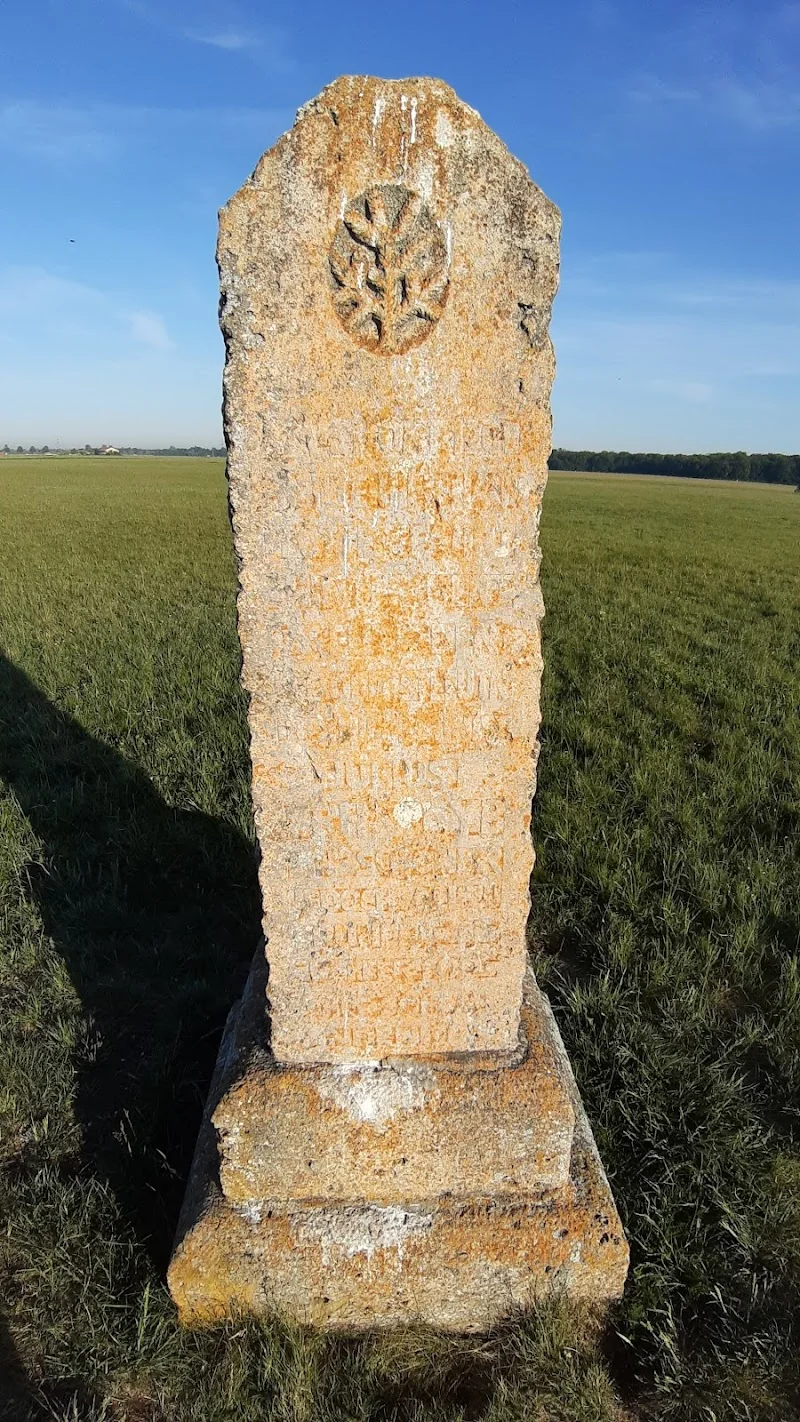
The Garchinger Heide tells not only the story of nature but also of culture. The region was already settled in the Bronze Age; several groups of barrow graves are located on the northeastern and southeastern edges of the current protected area, preserved as archaeological monuments. Later, in the early Middle Ages, so-called high fields were created on the less productive soils, the traces of which are still recognizable today. For centuries, the landscape served as common land: sheep, cattle, goats, and pigs kept the vegetation low through grazing, thus promoting the characteristic, sparse vegetation. Towards the end of the 19th century, the large-scale conversion of heathland into arable land began with artificial fertilizers, resulting in the loss of many populations. The preservation of the Garchinger Heide is due to civic engagement: between 1907 and 1914, the Bavarian Botanical Society purchased significant areas with donations and saved them from conversion. In 1942, formal protection as a nature reserve was established. Traces of more recent history are also visible: in the last months of the war in 1945, gravel coverings were removed from the heath to create a temporary runway towards the military airfield; shooting holes were also created, which are still recognizable today as small depressions. After the war, further land purchases, maintenance concepts, and scientifically accompanied development measures led to the re-establishment of calcareous dry grassland areas on adjacent lands. Today, the Garchinger Heide is part of a connected protection system in northern Munich. For visitors, this entails a special responsibility: those admiring the barrow graves do so from the path, without entering or damaging the sensitive structures. Information boards and materials from local actors explain the historical backgrounds; together with the impressive plant world, this creates a comprehensive picture of how nature and cultural history intertwine.
Current and well-prepared: Best visiting times, behavior tips, and offers
For the best experience in the Garchinger Heide, plan your visit according to the season and time of day. In early spring, kitchen bells and adonis roses unfold their effect particularly in the late morning when the sun warms the ground. In summer, grass lily and flax create light-filled backdrops while numerous insects are active; here, quiet morning or evening hours are worthwhile to enjoy the peace and make animal observations. Early autumn belongs to the German gentian and the silver thistle; even though the vegetation appears lower, the colors are particularly intense at that time. Pay attention year-round to the applicable protection rules: dogs are not allowed, cycling is prohibited in the protected area, and all visitors must stay on the marked paths. Especially during the breeding season of ground-nesting birds, it is advisable to be quiet and keep your distance. It is practical to look out for guided tours or excursions in regional information channels beforehand; such offers convey background knowledge about botany and history and show how maintenance measures secure biodiversity. Bring enough water, sun protection, and a hat if needed for your visit, as the tree-poor character of the heath provides little shade. A pair of binoculars and a small magnifying glass make details visible without entering the vegetation. Those photographing should use paths or designated locations and note that telephoto lenses are the better, nature-friendly choice. Please avoid using shortcuts or creating trampling paths; every spared area helps preserve sensitive species. When you arrive, use the parking lot Baggersee am Hart or the environmental connection of train, bus, and bicycle, and finally plan a few minutes of walking. Thus, the encounter with the heath begins already on the quiet paths that characterize this unique protected area.
Sources:
- Wikipedia – Garchinger Heide
- Heideflächenverein – Flyer Garchinger Heide (Rules, Season)
- City of Garching – Garchinger Heide and Echinger Lohe
- District of Freising Tourism – Garchinger Heide (Parking)
- BfN – Heath Regeneration Garchinger Heide
- LBV District Group Freising – Garchinger Heide
- Outdooractive – Garchinger Heide (Access and Notes)
Show moreShow less
Garchinger Heide | What is blooming now & Parking
The Garchinger Heide is one of the most precious heath relics in the northern Munich area: a 27-hectare nature reserve located on the Munich gravel plain, southeast of the municipality of Eching. Here, calcareous, dry gravel soils meet a continental climate that has produced a unique flora and fauna over centuries. Visitors appreciate the Garchinger Heide for its quiet paths, the vibrant blooming periods, and the traces of early cultures that date back to the Bronze Age. At the same time, the area is highly sensitive: many plants are on the Red List, ground-nesting birds need peace, and the habitats are sensitive to trampling damage and nutrient inputs. Those who explore the heath not only experience nature but also contribute to its preservation through considerate behavior. Conveniently, access is straightforward via Eching, and from the designated parking lot Baggersee am Hart on Dietersheimer Straße, a short walking path leads to the boundary of the protected area. This achieves a balance between nature experience and nature conservation.
What is blooming now in the Garchinger Heide? Seasonal calendar for spring, summer, and autumn
The most frequently asked question about the Garchinger Heide is: What is currently blooming? The answer depends heavily on the season and weather conditions, but the typical blooming rhythm of the calcareous dry grasslands is well documented. In spring, the cycle begins when the sun quickly warms the gravel soil. Then the first spring messengers appear: kitchen bells in various forms shine in violet tones, and the spring adonis rose sets strong yellow accents. These species are perfectly adapted to the barren, dry conditions and take advantage of the still sparse vegetation before grasses and herbs shoot up in early summer. As the season progresses, more specialists shape the landscape: characteristic of summer are the bright white stars of the spike grass lily and the blue tufts of the perennial flax. In dry, open areas, small cushions of the heath rose with a delicate fragrance may stand out. During this time, a closer look is also worthwhile for insect enthusiasts: butterflies like the Argus blue or the large pearl butterfly take advantage of the variety of nectar plants. Autumn finally surprises with species that start their blooming strategy late. This includes the German gentian, which stands out with dark, intense flower candles in the low vegetation. The silver thistle is also hard to miss, as its robust, star-shaped heads remain open even on dry late summer days and shape the typical image of many calcareous dry grasslands in late autumn. This rhythm of the seasons explains why the question What is blooming now is asked so often: the Garchinger Heide offers new details almost every week. However, it is important to respect the protection while observing. Flowering plants must not be picked, and even for photography, one should stay on the path to avoid damaging the sensitive areas. Those planning their tour can schedule the spring phase for kitchen bells and adonis roses, high summer for grass lily and flax, and early autumn for the German gentian. This allows for a meaningful connection between nature experience and species protection.
Access and Parking: How to reach the heath and where to park safely
The Garchinger Heide is located between Eching and Dietersheim, north of Munich, and is best accessed via Eching. For car access, the parking lot Baggersee am Hart on Dietersheimer Straße in 85386 Eching has become established. From there, field and farm roads lead in just a few minutes to the boundary of the protected area; signposts and information boards in the vicinity assist with orientation. Those coming from the direction of the highway typically use the Eching exit and reach Dietersheimer Straße via local connections. For navigation devices, entering parking lot Baggersee am Hart or searching for Garchinger Heide in map apps is sufficient. Please observe the basic rules: do not park in no-parking zones, on agricultural access roads, or directly at the edges of the protected area. This protects paths, neighbors, and the sensitive biotope network. For those arriving without a car, the S-Bahn connection from surrounding towns and regional bus lines are practical alternatives, combined with a short walk. Bicycles are well-suited for the approach, but riding is not permitted within the nature reserve itself. It is advisable to securely park the bike at suitable locations outside the protected area and continue the visit on foot. Those wishing to travel as environmentally friendly as possible should plan a circular route, start early in the day or later in the afternoon, and avoid the most sensitive areas during peak blooming times when many insects are active. This preserves the tranquility of the heath, allowing you to enjoy the floral splendor, the diverse insect world, and the wide views undisturbed.
Hiking in the Garchinger Heide: Paths, access, and nature conservation rules
Hiking in the Garchinger Heide means entering a quiet, open landscape where every footstep counts. The most important principles can be summarized quickly: please stay on the marked paths, do not leave the areas off the trails, and maintain a sufficient distance from sensitive areas. The area serves as a retreat for numerous rare plants and animals that can hardly withstand trampling damage, disturbances, and altered nutrient inputs. Therefore, some activities in the nature reserve are expressly prohibited: dogs are not allowed on the area, cycling is not permitted in the protected area, and flowers and plant parts must not be picked. Open fires, camping, or flying models are also forbidden. These rules protect, among other things, ground-nesting bird species like the skylark, which rely on quiet and undisturbed meadows, as well as endangered grasshoppers that are bound to dry, warm, sparse vegetation structures. Those who are mindful will be richly rewarded: many botanical specialities can be discovered right by the path without entering the sensitive populations. With a little patience, insights into the formation of the heath and its maintenance open up: mowing, clearing, and targeted measures on adjacent areas help preserve the typical, low calcareous dry grassland. For longer walks, it is advisable to connect the round with neighboring landscapes. The Echinger Lohe, a historic remnant of a dye forest, is in close proximity, and in a larger network, there are further protected areas of the Natura 2000 network. Those on a half-day tour can experience diverse contrasts between open heath areas, fields, and forests. On every tour, be sure to stay on paved paths, especially after rain when the ground is soft. This way, you leave no traces that could later promote erosion or unwanted sowing. A small pair of binoculars, a magnifying glass for the flowers, and enough water are the best equipment for this quiet landscape.
Kitchen bell and rare species: Why the Garchinger Heide is significant across Europe
The Garchinger Heide holds conservation importance far beyond Bavaria. One reason is a plant that represents the uniqueness of the area: the finger kitchen bell. This extremely rare species has only one natural occurrence left in Germany, here. Its delicate, often early appearing flowers are not only beautiful but also a reminder of how vulnerable specialized species on calcareous dry grasslands are. The heath unites floral elements from four major regions: alpine, sub-Mediterranean, Pannonian, and Pontic species come together here because climate, soil, and historical use have created ideal conditions for this. Accordingly, the species list is impressive: the spring adonis rose shines yellow, Regensburg broom sets radiant accents, the heath rose brings fragrance to low populations, and in summer, the light stems of the spike grass lily stand out. The German gentian, which blooms later in the year, marks the late season, while the silver thistle, as the epitome of dry, open sites, is widely visible. This diversity of flowering plants supports a rich insect fauna with specialized butterflies and grasshoppers, including the black-spotted grasshopper. For these reasons, the Garchinger Heide is considered a core area in the European Natura 2000 network. Its maintenance is labor-intensive: regular mowing, the removal of encroaching shrubs, and the targeted development of adjacent buffer and expansion areas ensure that nutrient inputs from agriculture are buffered and the typical, sparse dry grassland is preserved. Visitors help by staying on paths, not removing plants, and leaving no litter. A short stop at information boards or a look at brochures about the history of the heath deepens the understanding of why the Garchinger Heide is a unique mosaic of species and stories and why every blooming plant here is particularly valuable.
Map, location, and orientation: Between Eching and Dietersheim, coordinates and Natura 2000 reference
The Garchinger Heide is located southeast of Eching in the Freising district, between the districts of Eching and Dietersheim. Despite its name, the majority of the area belongs to the municipality of Eching. Those checking the location on a map will recognize a compact, tree-poor open landscape surrounded by fields. For orientation, the coordinates 48.289789, 11.652675 are suitable. The area measures about 27 hectares; it was designated as a nature reserve in 1942 and falls under the protection category of a habitat and species management area. Administration and supervision lie with the government of Upper Bavaria, and the maintenance is coordinated by the Heideflächenverein Münchener Norden. Professionally, the Garchinger Heide belongs to a larger network of valuable areas in northern Munich: as part of a fauna-flora-habitat area within the Natura 2000 network, it is linked to other heaths and forests in the region through biotope corridors and expansion areas. This network is crucial for ensuring that populations of rare plants, insects, and birds remain stable in the long term and that genetic exchange is possible. For on-site visits, simple orientation is recommended: start at the parking lot Baggersee am Hart, follow the paths toward the boundary of the protected area, and pay attention to information boards at the edge. Those using digital maps can quickly find the area under its name. Please use GPS only for path orientation and not to seek supposed shortcuts off the trails. The open, gravelly structure of the heath is sensitive to trampling; even a few steps into sensitive areas can damage the vegetation or leave footprints that can be enlarged by water and wind. With a little patience and a keen eye, many special features can already be recognized from the path. This way, the habitat remains protected, and at the same time, rewarding nature observations arise that make the visit unforgettable.
Barrow graves and landscape history: From the Bronze Age to the protected area
The Garchinger Heide tells not only the story of nature but also of culture. The region was already settled in the Bronze Age; several groups of barrow graves are located on the northeastern and southeastern edges of the current protected area, preserved as archaeological monuments. Later, in the early Middle Ages, so-called high fields were created on the less productive soils, the traces of which are still recognizable today. For centuries, the landscape served as common land: sheep, cattle, goats, and pigs kept the vegetation low through grazing, thus promoting the characteristic, sparse vegetation. Towards the end of the 19th century, the large-scale conversion of heathland into arable land began with artificial fertilizers, resulting in the loss of many populations. The preservation of the Garchinger Heide is due to civic engagement: between 1907 and 1914, the Bavarian Botanical Society purchased significant areas with donations and saved them from conversion. In 1942, formal protection as a nature reserve was established. Traces of more recent history are also visible: in the last months of the war in 1945, gravel coverings were removed from the heath to create a temporary runway towards the military airfield; shooting holes were also created, which are still recognizable today as small depressions. After the war, further land purchases, maintenance concepts, and scientifically accompanied development measures led to the re-establishment of calcareous dry grassland areas on adjacent lands. Today, the Garchinger Heide is part of a connected protection system in northern Munich. For visitors, this entails a special responsibility: those admiring the barrow graves do so from the path, without entering or damaging the sensitive structures. Information boards and materials from local actors explain the historical backgrounds; together with the impressive plant world, this creates a comprehensive picture of how nature and cultural history intertwine.
Current and well-prepared: Best visiting times, behavior tips, and offers
For the best experience in the Garchinger Heide, plan your visit according to the season and time of day. In early spring, kitchen bells and adonis roses unfold their effect particularly in the late morning when the sun warms the ground. In summer, grass lily and flax create light-filled backdrops while numerous insects are active; here, quiet morning or evening hours are worthwhile to enjoy the peace and make animal observations. Early autumn belongs to the German gentian and the silver thistle; even though the vegetation appears lower, the colors are particularly intense at that time. Pay attention year-round to the applicable protection rules: dogs are not allowed, cycling is prohibited in the protected area, and all visitors must stay on the marked paths. Especially during the breeding season of ground-nesting birds, it is advisable to be quiet and keep your distance. It is practical to look out for guided tours or excursions in regional information channels beforehand; such offers convey background knowledge about botany and history and show how maintenance measures secure biodiversity. Bring enough water, sun protection, and a hat if needed for your visit, as the tree-poor character of the heath provides little shade. A pair of binoculars and a small magnifying glass make details visible without entering the vegetation. Those photographing should use paths or designated locations and note that telephoto lenses are the better, nature-friendly choice. Please avoid using shortcuts or creating trampling paths; every spared area helps preserve sensitive species. When you arrive, use the parking lot Baggersee am Hart or the environmental connection of train, bus, and bicycle, and finally plan a few minutes of walking. Thus, the encounter with the heath begins already on the quiet paths that characterize this unique protected area.
Sources:
- Wikipedia – Garchinger Heide
- Heideflächenverein – Flyer Garchinger Heide (Rules, Season)
- City of Garching – Garchinger Heide and Echinger Lohe
- District of Freising Tourism – Garchinger Heide (Parking)
- BfN – Heath Regeneration Garchinger Heide
- LBV District Group Freising – Garchinger Heide
- Outdooractive – Garchinger Heide (Access and Notes)
Garchinger Heide | What is blooming now & Parking
The Garchinger Heide is one of the most precious heath relics in the northern Munich area: a 27-hectare nature reserve located on the Munich gravel plain, southeast of the municipality of Eching. Here, calcareous, dry gravel soils meet a continental climate that has produced a unique flora and fauna over centuries. Visitors appreciate the Garchinger Heide for its quiet paths, the vibrant blooming periods, and the traces of early cultures that date back to the Bronze Age. At the same time, the area is highly sensitive: many plants are on the Red List, ground-nesting birds need peace, and the habitats are sensitive to trampling damage and nutrient inputs. Those who explore the heath not only experience nature but also contribute to its preservation through considerate behavior. Conveniently, access is straightforward via Eching, and from the designated parking lot Baggersee am Hart on Dietersheimer Straße, a short walking path leads to the boundary of the protected area. This achieves a balance between nature experience and nature conservation.
What is blooming now in the Garchinger Heide? Seasonal calendar for spring, summer, and autumn
The most frequently asked question about the Garchinger Heide is: What is currently blooming? The answer depends heavily on the season and weather conditions, but the typical blooming rhythm of the calcareous dry grasslands is well documented. In spring, the cycle begins when the sun quickly warms the gravel soil. Then the first spring messengers appear: kitchen bells in various forms shine in violet tones, and the spring adonis rose sets strong yellow accents. These species are perfectly adapted to the barren, dry conditions and take advantage of the still sparse vegetation before grasses and herbs shoot up in early summer. As the season progresses, more specialists shape the landscape: characteristic of summer are the bright white stars of the spike grass lily and the blue tufts of the perennial flax. In dry, open areas, small cushions of the heath rose with a delicate fragrance may stand out. During this time, a closer look is also worthwhile for insect enthusiasts: butterflies like the Argus blue or the large pearl butterfly take advantage of the variety of nectar plants. Autumn finally surprises with species that start their blooming strategy late. This includes the German gentian, which stands out with dark, intense flower candles in the low vegetation. The silver thistle is also hard to miss, as its robust, star-shaped heads remain open even on dry late summer days and shape the typical image of many calcareous dry grasslands in late autumn. This rhythm of the seasons explains why the question What is blooming now is asked so often: the Garchinger Heide offers new details almost every week. However, it is important to respect the protection while observing. Flowering plants must not be picked, and even for photography, one should stay on the path to avoid damaging the sensitive areas. Those planning their tour can schedule the spring phase for kitchen bells and adonis roses, high summer for grass lily and flax, and early autumn for the German gentian. This allows for a meaningful connection between nature experience and species protection.
Access and Parking: How to reach the heath and where to park safely
The Garchinger Heide is located between Eching and Dietersheim, north of Munich, and is best accessed via Eching. For car access, the parking lot Baggersee am Hart on Dietersheimer Straße in 85386 Eching has become established. From there, field and farm roads lead in just a few minutes to the boundary of the protected area; signposts and information boards in the vicinity assist with orientation. Those coming from the direction of the highway typically use the Eching exit and reach Dietersheimer Straße via local connections. For navigation devices, entering parking lot Baggersee am Hart or searching for Garchinger Heide in map apps is sufficient. Please observe the basic rules: do not park in no-parking zones, on agricultural access roads, or directly at the edges of the protected area. This protects paths, neighbors, and the sensitive biotope network. For those arriving without a car, the S-Bahn connection from surrounding towns and regional bus lines are practical alternatives, combined with a short walk. Bicycles are well-suited for the approach, but riding is not permitted within the nature reserve itself. It is advisable to securely park the bike at suitable locations outside the protected area and continue the visit on foot. Those wishing to travel as environmentally friendly as possible should plan a circular route, start early in the day or later in the afternoon, and avoid the most sensitive areas during peak blooming times when many insects are active. This preserves the tranquility of the heath, allowing you to enjoy the floral splendor, the diverse insect world, and the wide views undisturbed.
Hiking in the Garchinger Heide: Paths, access, and nature conservation rules
Hiking in the Garchinger Heide means entering a quiet, open landscape where every footstep counts. The most important principles can be summarized quickly: please stay on the marked paths, do not leave the areas off the trails, and maintain a sufficient distance from sensitive areas. The area serves as a retreat for numerous rare plants and animals that can hardly withstand trampling damage, disturbances, and altered nutrient inputs. Therefore, some activities in the nature reserve are expressly prohibited: dogs are not allowed on the area, cycling is not permitted in the protected area, and flowers and plant parts must not be picked. Open fires, camping, or flying models are also forbidden. These rules protect, among other things, ground-nesting bird species like the skylark, which rely on quiet and undisturbed meadows, as well as endangered grasshoppers that are bound to dry, warm, sparse vegetation structures. Those who are mindful will be richly rewarded: many botanical specialities can be discovered right by the path without entering the sensitive populations. With a little patience, insights into the formation of the heath and its maintenance open up: mowing, clearing, and targeted measures on adjacent areas help preserve the typical, low calcareous dry grassland. For longer walks, it is advisable to connect the round with neighboring landscapes. The Echinger Lohe, a historic remnant of a dye forest, is in close proximity, and in a larger network, there are further protected areas of the Natura 2000 network. Those on a half-day tour can experience diverse contrasts between open heath areas, fields, and forests. On every tour, be sure to stay on paved paths, especially after rain when the ground is soft. This way, you leave no traces that could later promote erosion or unwanted sowing. A small pair of binoculars, a magnifying glass for the flowers, and enough water are the best equipment for this quiet landscape.
Kitchen bell and rare species: Why the Garchinger Heide is significant across Europe
The Garchinger Heide holds conservation importance far beyond Bavaria. One reason is a plant that represents the uniqueness of the area: the finger kitchen bell. This extremely rare species has only one natural occurrence left in Germany, here. Its delicate, often early appearing flowers are not only beautiful but also a reminder of how vulnerable specialized species on calcareous dry grasslands are. The heath unites floral elements from four major regions: alpine, sub-Mediterranean, Pannonian, and Pontic species come together here because climate, soil, and historical use have created ideal conditions for this. Accordingly, the species list is impressive: the spring adonis rose shines yellow, Regensburg broom sets radiant accents, the heath rose brings fragrance to low populations, and in summer, the light stems of the spike grass lily stand out. The German gentian, which blooms later in the year, marks the late season, while the silver thistle, as the epitome of dry, open sites, is widely visible. This diversity of flowering plants supports a rich insect fauna with specialized butterflies and grasshoppers, including the black-spotted grasshopper. For these reasons, the Garchinger Heide is considered a core area in the European Natura 2000 network. Its maintenance is labor-intensive: regular mowing, the removal of encroaching shrubs, and the targeted development of adjacent buffer and expansion areas ensure that nutrient inputs from agriculture are buffered and the typical, sparse dry grassland is preserved. Visitors help by staying on paths, not removing plants, and leaving no litter. A short stop at information boards or a look at brochures about the history of the heath deepens the understanding of why the Garchinger Heide is a unique mosaic of species and stories and why every blooming plant here is particularly valuable.
Map, location, and orientation: Between Eching and Dietersheim, coordinates and Natura 2000 reference
The Garchinger Heide is located southeast of Eching in the Freising district, between the districts of Eching and Dietersheim. Despite its name, the majority of the area belongs to the municipality of Eching. Those checking the location on a map will recognize a compact, tree-poor open landscape surrounded by fields. For orientation, the coordinates 48.289789, 11.652675 are suitable. The area measures about 27 hectares; it was designated as a nature reserve in 1942 and falls under the protection category of a habitat and species management area. Administration and supervision lie with the government of Upper Bavaria, and the maintenance is coordinated by the Heideflächenverein Münchener Norden. Professionally, the Garchinger Heide belongs to a larger network of valuable areas in northern Munich: as part of a fauna-flora-habitat area within the Natura 2000 network, it is linked to other heaths and forests in the region through biotope corridors and expansion areas. This network is crucial for ensuring that populations of rare plants, insects, and birds remain stable in the long term and that genetic exchange is possible. For on-site visits, simple orientation is recommended: start at the parking lot Baggersee am Hart, follow the paths toward the boundary of the protected area, and pay attention to information boards at the edge. Those using digital maps can quickly find the area under its name. Please use GPS only for path orientation and not to seek supposed shortcuts off the trails. The open, gravelly structure of the heath is sensitive to trampling; even a few steps into sensitive areas can damage the vegetation or leave footprints that can be enlarged by water and wind. With a little patience and a keen eye, many special features can already be recognized from the path. This way, the habitat remains protected, and at the same time, rewarding nature observations arise that make the visit unforgettable.
Barrow graves and landscape history: From the Bronze Age to the protected area
The Garchinger Heide tells not only the story of nature but also of culture. The region was already settled in the Bronze Age; several groups of barrow graves are located on the northeastern and southeastern edges of the current protected area, preserved as archaeological monuments. Later, in the early Middle Ages, so-called high fields were created on the less productive soils, the traces of which are still recognizable today. For centuries, the landscape served as common land: sheep, cattle, goats, and pigs kept the vegetation low through grazing, thus promoting the characteristic, sparse vegetation. Towards the end of the 19th century, the large-scale conversion of heathland into arable land began with artificial fertilizers, resulting in the loss of many populations. The preservation of the Garchinger Heide is due to civic engagement: between 1907 and 1914, the Bavarian Botanical Society purchased significant areas with donations and saved them from conversion. In 1942, formal protection as a nature reserve was established. Traces of more recent history are also visible: in the last months of the war in 1945, gravel coverings were removed from the heath to create a temporary runway towards the military airfield; shooting holes were also created, which are still recognizable today as small depressions. After the war, further land purchases, maintenance concepts, and scientifically accompanied development measures led to the re-establishment of calcareous dry grassland areas on adjacent lands. Today, the Garchinger Heide is part of a connected protection system in northern Munich. For visitors, this entails a special responsibility: those admiring the barrow graves do so from the path, without entering or damaging the sensitive structures. Information boards and materials from local actors explain the historical backgrounds; together with the impressive plant world, this creates a comprehensive picture of how nature and cultural history intertwine.
Current and well-prepared: Best visiting times, behavior tips, and offers
For the best experience in the Garchinger Heide, plan your visit according to the season and time of day. In early spring, kitchen bells and adonis roses unfold their effect particularly in the late morning when the sun warms the ground. In summer, grass lily and flax create light-filled backdrops while numerous insects are active; here, quiet morning or evening hours are worthwhile to enjoy the peace and make animal observations. Early autumn belongs to the German gentian and the silver thistle; even though the vegetation appears lower, the colors are particularly intense at that time. Pay attention year-round to the applicable protection rules: dogs are not allowed, cycling is prohibited in the protected area, and all visitors must stay on the marked paths. Especially during the breeding season of ground-nesting birds, it is advisable to be quiet and keep your distance. It is practical to look out for guided tours or excursions in regional information channels beforehand; such offers convey background knowledge about botany and history and show how maintenance measures secure biodiversity. Bring enough water, sun protection, and a hat if needed for your visit, as the tree-poor character of the heath provides little shade. A pair of binoculars and a small magnifying glass make details visible without entering the vegetation. Those photographing should use paths or designated locations and note that telephoto lenses are the better, nature-friendly choice. Please avoid using shortcuts or creating trampling paths; every spared area helps preserve sensitive species. When you arrive, use the parking lot Baggersee am Hart or the environmental connection of train, bus, and bicycle, and finally plan a few minutes of walking. Thus, the encounter with the heath begins already on the quiet paths that characterize this unique protected area.
Sources:
- Wikipedia – Garchinger Heide
- Heideflächenverein – Flyer Garchinger Heide (Rules, Season)
- City of Garching – Garchinger Heide and Echinger Lohe
- District of Freising Tourism – Garchinger Heide (Parking)
- BfN – Heath Regeneration Garchinger Heide
- LBV District Group Freising – Garchinger Heide
- Outdooractive – Garchinger Heide (Access and Notes)
Upcoming Events
No events found
Frequently Asked Questions
Reviews
Mitch Sayers
23. September 2020
The stars at night!
Martin Reeh
29. December 2016
nice
K.R. Horner
5. April 2021
It's always nice to try something new. I find the historical background incredibly interesting; you can walk for ages, and if you're feeling ambitious, you can even include the Echinger Lohe forest. It's clear this isn't your average hiking area. Please note: it's a nature reserve! Please stay on the marked trail. I imagine it's even more beautiful in the summer. If the sun is intense, I'd recommend a hat. Parking is available, for example, at the quarry lake between the Echinger Lohe and the Garchinger Heide heath.
EAG
24. August 2025
The actual heath is only a small part of the already small nature reserve. Most of it is mown meadow. Nevertheless, it's a beautiful retreat in the Munich gravel plain.
Helmut Stegmann
27. May 2020
A beautiful nature reserve perfect for a stroll. There's a small parking lot with a small information board. It's also a great place to observe wildlife.