
München
Königsplatz 3, 80333 München-Maxvorstadt, Deutschland
Glyptothek | Opening Hours & Admission
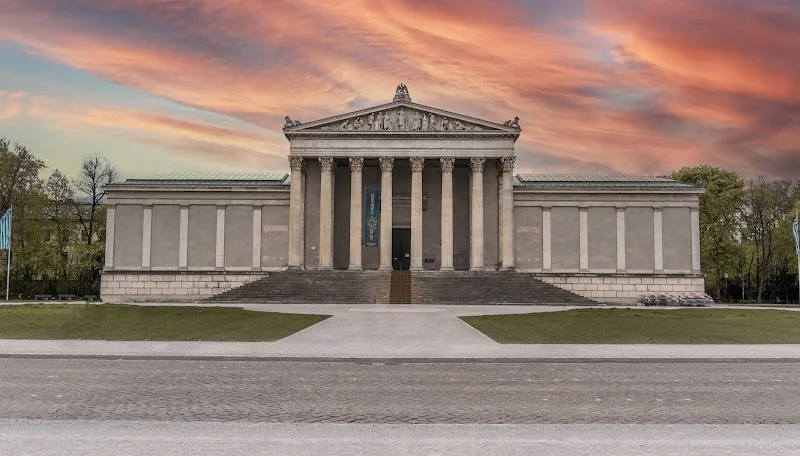
The Glyptothek at Königsplatz is one of the most impressive cultural sites in Munich. It is one of the world's leading museums of antiquity and Munich's oldest public museum. At the same time, it is the only museum in the world dedicated exclusively to ancient sculpture. From the moment you enter, it is clear that not only individual works are on display, but a cohesive experience of art, space, and light is at the center. This is precisely why the Glyptothek attracts visitors looking for opening hours, admission, tours, café, or general significance, but ultimately discover a museum that goes far beyond a normal collection. ([antike-am-koenigsplatz.mwn.de](https://www.antike-am-koenigsplatz.mwn.de/en/world-famous-originals-in-timeless-halls-glyptothek/))
The search terms related to the Glyptothek show very different interests: some simply want to know what the building is, others are looking for the best way to get there, the price of a ticket, or a guided tour. Others enter terms like theater or tickets, even though the Glyptothek is not a theater, but a museum with a clear focus on its collection. This page organizes the most important questions and links them with real visitor information, so that a search query becomes a well-planned visit. ([antike-am-koenigsplatz.mwn.de](https://www.antike-am-koenigsplatz.mwn.de/en/visitor-information/))
Opening Hours and Admission of the Glyptothek Munich
The current opening hours of the Glyptothek are clearly defined: the museum is open daily from 10 AM to 5 PM, and on Thursdays even until 8 PM. The museum is closed on Mondays. For the year 2026, the official visitor information also lists individual holidays and special days with different opening hours or closures. Therefore, anyone planning their visit on a holiday, during vacations, or around special event days should check the current visitor information in advance. This is particularly useful because the Glyptothek is reliably open, but does not operate every day according to the same pattern. ([antike-am-koenigsplatz.mwn.de](https://www.antike-am-koenigsplatz.mwn.de/en/visitor-information/?utm_source=openai))
For admission, the Glyptothek follows an attractive dual concept: a day ticket is valid for two museums at Königsplatz, namely the Glyptothek and the State Collections of Antiquities. The regular price is 6 euros, reduced 4 euros. On Sundays, there is a special rate of 1 euro per building. Children and young people under 18 years have free admission. This is particularly interesting for visitors who plan their cultural day in Munich and want to connect several venues at one location. Those specifically looking for Glyptothek Munich admission will find a very simple and transparent pricing structure. ([antike-am-koenigsplatz.mwn.de](https://www.antike-am-koenigsplatz.mwn.de/en/visitor-information/))
Organizationally, the museum is designed for a smooth visit. Tickets are available at the museum box office and can also be booked online, although additional fees may apply for online tickets. This is particularly helpful for a short visit, as it allows securing admission in advance and using the time on-site directly for the collection. Combined with the manageable, yet content-rich tour, a museum visit is created that thrives not on mass, but on concentration, tranquility, and the quality of individual works. Therefore, those visiting the Glyptothek do not experience a quick program, but a consciously compact art visit with high content value. ([antike-am-koenigsplatz.mwn.de](https://www.antike-am-koenigsplatz.mwn.de/en/visitor-information/))
What is the Glyptothek? Significance, Name, and Collection
The question “What is the Glyptothek?” is one of the most important search queries related to the building. The answer is clear and at the same time fascinating: it is a museum for ancient sculpture that occupies a special position in Munich. The name is a modern artistic term and is derived from the Greek words glyphein for carving or cutting and theke for storage place. Thus, the meaning of the name already points to the core of the building: a place where sculptures are not only displayed but preserved and experienced in their own architectural framework. ([antike-am-koenigsplatz.mwn.de](https://www.antike-am-koenigsplatz.mwn.de/en/world-famous-originals-in-timeless-halls-glyptothek/))
The collection includes Greek and Roman marble sculptures of exceptional quality. According to the official description, its temporal horizon ranges from the Archaic period through Greek Classicism and Hellenism to the Roman Imperial period and Late Antiquity. This includes figures that once adorned sanctuaries, public places, or graves, as well as portraits of significant poets, thinkers, and rulers. This breadth makes the Glyptothek not only historically interesting but also very dense in content: walking through the rooms allows one to move through epochs of ancient art rather than just viewing individual pieces. ([antike-am-koenigsplatz.mwn.de](https://www.antike-am-koenigsplatz.mwn.de/en/world-famous-originals-in-timeless-halls-glyptothek/))
The tour itself is also part of the concept. The official description points out that the rooms unfold in a clockwise direction from the foyer with Roman numerals I to XIII, forming a circuit that leads back to the foyer. Thus, the Glyptothek is not a chaotic museum building, but a clearly readable path through the collection. For visitors looking for a seating plan, hall plan, or room plan, this is the right information: there is no theater hall, but a structured museum plan. The building does not present art in a juxtaposition, but in a consciously composed sequence of rooms that give the works space, distance, and impact. ([antike-am-koenigsplatz.mwn.de](https://www.antike-am-koenigsplatz.mwn.de/en/world-famous-originals-in-timeless-halls-glyptothek/))
Among the most famous highlights are the so-called Aeginetans, the gable sculptures of the Aphaia Temple of Aegina, which, according to official representation, arrived at the Glyptothek in 1827 and are still considered highlights of the collection. Also particularly important is the so-called Drunken Old Woman, a Roman copy of a famous Hellenistic original. Such works explain why the Glyptothek is culturally valued so highly despite its comparatively manageable size: it does not simply show many objects, but works of iconic rank that permanently shape the view of ancient sculpture. ([antike-am-koenigsplatz.mwn.de](https://www.antike-am-koenigsplatz.mwn.de/en/world-famous-originals-in-timeless-halls-glyptothek/))
Access, Parking, and Barrier-Free Access at Königsplatz
The location of the Glyptothek is very convenient for a museum visit. The building is located at Königsplatz in the heart of Munich and is, according to official visitor information, not far from the main train station. It is very well connected by public transport: the U2 stops at Königsplatz, tram 27 at the Karolinenplatz stop, and the museum bus 100 also goes to Königsplatz. Those coming from the city center or planning a day at the art area can easily reach the Glyptothek as part of a larger tour. This central location is a real plus for visitors looking for Glyptothek Munich opening hours and directions. ([antike-am-koenigsplatz.mwn.de](https://www.antike-am-koenigsplatz.mwn.de/en/visitor-information/))
Parking is also possible, although not in a large visitor parking garage directly at the building, but through paid parking spaces in the surrounding streets. This is typical for an inner-city cultural address at a prominent square. Therefore, those arriving by car should plan some time for parking search or switch to public transport. It is practical that the official site describes the journey concisely, clearly, and without detours. This makes planning easy and prevents visitors from having to search laboriously on-site for the right stop or a suitable parking option. ([antike-am-koenigsplatz.mwn.de](https://www.antike-am-koenigsplatz.mwn.de/en/visitor-information/))
Barrier-free access is particularly well organized. For the Glyptothek, the visitor information states that there is barrier-free access at the northern king's entrance. All exhibition rooms are wheelchair accessible, and the courtyard can also be reached from the café via a lift. Additionally, a wheelchair can be borrowed at the ticket counter. Lightweight portable folding chairs are also available, as well as an accessible restroom and lockers for luggage and coats in close proximity to the ticket area. For a historic building, this is a very pleasant and responsible visitor concept. ([antike-am-koenigsplatz.mwn.de](https://www.antike-am-koenigsplatz.mwn.de/en/visitor-information/))
Accessibility is not only considered technically but also practically. The official site points out that accompanying and assistance services are taken into account and that blind visitors can also orient themselves with gloves on selected sculptures under certain conditions. Those with questions about accessibility before their visit can contact the museum directly. This makes the Glyptothek a place that not only impresses architecturally but also takes modern standards seriously in visitor guidance. ([antike-am-koenigsplatz.mwn.de](https://www.antike-am-koenigsplatz.mwn.de/en/visitor-information/))
Guided Tours, Museum Café, and Digital Offers
The Glyptothek is not only a place for free exploration but also for targeted mediation. The official visitor information lists various offers for school classes, kindergartens, private groups, and special tours. Thematic guided tours can be booked for groups, such as those on gods and myths or Roman portraits. In addition, there are programs for children, vacation offers, workshops, and discovery tours. This makes the Glyptothek particularly interesting for families, educational institutions, and culture-interested groups who want to actively shape their museum visit rather than just consume it. ([antike-am-koenigsplatz.mwn.de](https://www.antike-am-koenigsplatz.mwn.de/en/visitor-information/))
Those looking for Glyptothek Munich guided tours will find not just a general house tour but a wide range of themes and formats. The offers are organized in cooperation with the MPZ, i.e., through the museum educational structures that are relevant for schools and groups. This makes the visit planable: instead of hoping for a standard program spontaneously, visitors can choose an offer that fits their age, interest, and duration of stay. This is particularly sensible in a house with a concentrated collection, as it allows for deeper engagement with the content without losing the lightness of the visit. ([antike-am-koenigsplatz.mwn.de](https://www.antike-am-koenigsplatz.mwn.de/en/visitor-information/))
Another plus is the museum café. According to the official site, it is located in the courtyard and in Hall VIII of the Glyptothek and is a special attraction. There, coffee, small dishes like paninis, salads, and cakes are available, and the place is designed to pleasantly complement the museum visit. The café is therefore not just a supply station but part of the experience. Those sitting between two tours and enjoying the view of the historic space quickly understand why the Glyptothek is appreciated not only as an art venue but also as a place to stay. ([antike-am-koenigsplatz.mwn.de](https://www.antike-am-koenigsplatz.mwn.de/en/visitor-information/))
In addition, there are digital and media aids: the visitor information points to a museum app and media guides in German and English that enable individual tours. This allows visitors to explore the collection according to their own interests rather than just following a rigid standard path. This is a valuable tool, especially for guests visiting for the first time or specifically looking for certain figures, epochs, or themes. The museum thus combines classic exhibition culture with a modern, self-determined form of mediation. ([antike-am-koenigsplatz.mwn.de](https://www.antike-am-koenigsplatz.mwn.de/en/visitor-information/))
History of the Glyptothek and its Classicist Spatial Concept
The history of the Glyptothek begins in the early 19th century and is closely linked to King Ludwig I. and his architectural program. The building was constructed between 1816 and 1830 by Leo von Klenze, the court architect of Ludwig I. The façade is oriented towards Greek temple fronts, while the interiors, with their vaults, resemble Roman baths. Fourteen halls surround a large square courtyard. Originally, the rooms were colorfully decorated, with marble floors, stucco, and only sparse daylight. Even this planning shows that the Glyptothek was not intended as a neutral exhibition space but as a classicist total work of art. ([antike-am-koenigsplatz.mwn.de](https://www.antike-am-koenigsplatz.mwn.de/en/world-famous-originals-in-timeless-halls-glyptothek/))
This concept was extraordinary for its time. The works were not simply adapted to the best possible visibility but subordinated to the architecture. The museum was meant not only to house art but to be art itself. This is also why the Glyptothek is such a distinctive building block of Königsplatz, which, together with the State Collections of Antiquities and the Propylaea, forms a unique classicist square complex. For visitors, this means: one does not only see ancient sculpture but moves through a space that conveys its own historical message. This is where the special aura of the building lies. ([antike-am-koenigsplatz.mwn.de](https://www.antike-am-koenigsplatz.mwn.de/en/about-us/))
The history was deeply interrupted by World War II. The museum was closed at the beginning of the war, the antiquities were stored away, and in the summer of 1944, bombing raids severely damaged the Glyptothek. Reconstruction began in the 1960s and followed a concept that had already been proposed at the time of construction by Martin von Wagner: sand-colored walls, monochrome floors, simple bases, and large windows. In 1972, the Glyptothek was reopened in its renewed form. The current space is therefore more restrained than the original interior, but this restraint makes the quality of the sculptures even more impactful. ([antike-am-koenigsplatz.mwn.de](https://www.antike-am-koenigsplatz.mwn.de/en/world-famous-originals-in-timeless-halls-glyptothek/))
The history of the collection is also closely linked to Ludwig I. He developed his enthusiasm for ancient art during a trip to Italy and began, even as crown prince, to build a collection of high quality. The most significant acquisition was, according to official representation, the acquisition of the gable sculptures of the Aphaia Temple of Aegina in 1812. These works were installed in the Glyptothek in 1827 and restored after World War II. Only a few pieces come from the old electoral collection; many others were specifically acquired by Ludwig I. Thus, a collection was created that consciously prioritized artistic quality over quantity. ([antike-am-koenigsplatz.mwn.de](https://www.antike-am-koenigsplatz.mwn.de/en/world-famous-originals-in-timeless-halls-glyptothek/))
Glyptothek, Theater, and Tickets: Understanding the Right Search
Those entering terms like Glyptothek Theater or Glyptothek Theater tickets often arrive at an important realization: the Glyptothek is not a theater but a museum. Especially because the name may sound unfamiliar to some at first, museum, event, and ticket questions sometimes mix in search engines. However, distinguishing this is important for serious information. The Glyptothek does not show stage programs, no theater premieres, and no theater evenings. It offers a museum's permanent presentation of ancient sculpture, complemented by guided tours, family offers, and occasional events, but no regular theater operation. ([antike-am-koenigsplatz.mwn.de](https://www.antike-am-koenigsplatz.mwn.de/en/world-famous-originals-in-timeless-halls-glyptothek/))
This distinction is even helpful for search intent. Because those looking for tickets often simply mean admission, a group ticket, or a guided tour. This is exactly where the official structure of the Glyptothek helps: a day ticket is valid for two museums, children and young people under 18 years receive free admission, and on Sundays, there is a very low special rate per building. Therefore, those needing museum tickets instead of theater tickets will find a clear and straightforward system. This is not only practical but also relevant for search engines, as the user query is resolved cleanly. ([antike-am-koenigsplatz.mwn.de](https://www.antike-am-koenigsplatz.mwn.de/en/visitor-information/))
The search for significance, what is it, or guided tours also quickly leads to the actual highlights of the collection. Particularly defining are the Aeginetans, the gable sculptures of the Aphaia Temple, as well as the famous Drunken Old Woman, which is considered a Roman copy of a Hellenistic original. In addition, there are numerous portraits of ancient poets, thinkers, and rulers. The Glyptothek is thus not a museum of trivialities, but one of great individual works. So, those who only have a brief ticket question end up with a collection of high art historical caliber that is worthwhile in every respect. ([antike-am-koenigsplatz.mwn.de](https://www.antike-am-koenigsplatz.mwn.de/en/world-famous-originals-in-timeless-halls-glyptothek/))
For visitors planning their stay in Munich, this clarity is important: the Glyptothek does not offer theater tickets but admission to a museum of international standing. It is calm, focused, and historically deeply rooted. Because it does not generate event noise, it unfolds a special effect. Ancient sculptures, classicist architecture, the café in the courtyard, barrier-free access, and clear opening hours make the visit easy to plan and simultaneously extraordinary. Therefore, those searching for Glyptothek Munich, opening hours, admission, café, or guided tours will find here not a substitute solution but an independent cultural destination of high quality. ([antike-am-koenigsplatz.mwn.de](https://www.antike-am-koenigsplatz.mwn.de/en/visitor-information/))
In the end, the Glyptothek remains a place that answers search intentions very precisely and simultaneously surprises. One may come for a price, a time, or a supposed theater term, but stays for the collection, the architecture, and the atmosphere. This mix of information and impact makes the house at Königsplatz one of the most convincing museum destinations in Munich. ([antike-am-koenigsplatz.mwn.de](https://www.antike-am-koenigsplatz.mwn.de/en/world-famous-originals-in-timeless-halls-glyptothek/))
Sources:
Mehr anzeigenWeniger anzeigen
Glyptothek | Opening Hours & Admission
The Glyptothek at Königsplatz is one of the most impressive cultural sites in Munich. It is one of the world's leading museums of antiquity and Munich's oldest public museum. At the same time, it is the only museum in the world dedicated exclusively to ancient sculpture. From the moment you enter, it is clear that not only individual works are on display, but a cohesive experience of art, space, and light is at the center. This is precisely why the Glyptothek attracts visitors looking for opening hours, admission, tours, café, or general significance, but ultimately discover a museum that goes far beyond a normal collection. ([antike-am-koenigsplatz.mwn.de](https://www.antike-am-koenigsplatz.mwn.de/en/world-famous-originals-in-timeless-halls-glyptothek/))
The search terms related to the Glyptothek show very different interests: some simply want to know what the building is, others are looking for the best way to get there, the price of a ticket, or a guided tour. Others enter terms like theater or tickets, even though the Glyptothek is not a theater, but a museum with a clear focus on its collection. This page organizes the most important questions and links them with real visitor information, so that a search query becomes a well-planned visit. ([antike-am-koenigsplatz.mwn.de](https://www.antike-am-koenigsplatz.mwn.de/en/visitor-information/))
Opening Hours and Admission of the Glyptothek Munich
The current opening hours of the Glyptothek are clearly defined: the museum is open daily from 10 AM to 5 PM, and on Thursdays even until 8 PM. The museum is closed on Mondays. For the year 2026, the official visitor information also lists individual holidays and special days with different opening hours or closures. Therefore, anyone planning their visit on a holiday, during vacations, or around special event days should check the current visitor information in advance. This is particularly useful because the Glyptothek is reliably open, but does not operate every day according to the same pattern. ([antike-am-koenigsplatz.mwn.de](https://www.antike-am-koenigsplatz.mwn.de/en/visitor-information/?utm_source=openai))
For admission, the Glyptothek follows an attractive dual concept: a day ticket is valid for two museums at Königsplatz, namely the Glyptothek and the State Collections of Antiquities. The regular price is 6 euros, reduced 4 euros. On Sundays, there is a special rate of 1 euro per building. Children and young people under 18 years have free admission. This is particularly interesting for visitors who plan their cultural day in Munich and want to connect several venues at one location. Those specifically looking for Glyptothek Munich admission will find a very simple and transparent pricing structure. ([antike-am-koenigsplatz.mwn.de](https://www.antike-am-koenigsplatz.mwn.de/en/visitor-information/))
Organizationally, the museum is designed for a smooth visit. Tickets are available at the museum box office and can also be booked online, although additional fees may apply for online tickets. This is particularly helpful for a short visit, as it allows securing admission in advance and using the time on-site directly for the collection. Combined with the manageable, yet content-rich tour, a museum visit is created that thrives not on mass, but on concentration, tranquility, and the quality of individual works. Therefore, those visiting the Glyptothek do not experience a quick program, but a consciously compact art visit with high content value. ([antike-am-koenigsplatz.mwn.de](https://www.antike-am-koenigsplatz.mwn.de/en/visitor-information/))
What is the Glyptothek? Significance, Name, and Collection
The question “What is the Glyptothek?” is one of the most important search queries related to the building. The answer is clear and at the same time fascinating: it is a museum for ancient sculpture that occupies a special position in Munich. The name is a modern artistic term and is derived from the Greek words glyphein for carving or cutting and theke for storage place. Thus, the meaning of the name already points to the core of the building: a place where sculptures are not only displayed but preserved and experienced in their own architectural framework. ([antike-am-koenigsplatz.mwn.de](https://www.antike-am-koenigsplatz.mwn.de/en/world-famous-originals-in-timeless-halls-glyptothek/))
The collection includes Greek and Roman marble sculptures of exceptional quality. According to the official description, its temporal horizon ranges from the Archaic period through Greek Classicism and Hellenism to the Roman Imperial period and Late Antiquity. This includes figures that once adorned sanctuaries, public places, or graves, as well as portraits of significant poets, thinkers, and rulers. This breadth makes the Glyptothek not only historically interesting but also very dense in content: walking through the rooms allows one to move through epochs of ancient art rather than just viewing individual pieces. ([antike-am-koenigsplatz.mwn.de](https://www.antike-am-koenigsplatz.mwn.de/en/world-famous-originals-in-timeless-halls-glyptothek/))
The tour itself is also part of the concept. The official description points out that the rooms unfold in a clockwise direction from the foyer with Roman numerals I to XIII, forming a circuit that leads back to the foyer. Thus, the Glyptothek is not a chaotic museum building, but a clearly readable path through the collection. For visitors looking for a seating plan, hall plan, or room plan, this is the right information: there is no theater hall, but a structured museum plan. The building does not present art in a juxtaposition, but in a consciously composed sequence of rooms that give the works space, distance, and impact. ([antike-am-koenigsplatz.mwn.de](https://www.antike-am-koenigsplatz.mwn.de/en/world-famous-originals-in-timeless-halls-glyptothek/))
Among the most famous highlights are the so-called Aeginetans, the gable sculptures of the Aphaia Temple of Aegina, which, according to official representation, arrived at the Glyptothek in 1827 and are still considered highlights of the collection. Also particularly important is the so-called Drunken Old Woman, a Roman copy of a famous Hellenistic original. Such works explain why the Glyptothek is culturally valued so highly despite its comparatively manageable size: it does not simply show many objects, but works of iconic rank that permanently shape the view of ancient sculpture. ([antike-am-koenigsplatz.mwn.de](https://www.antike-am-koenigsplatz.mwn.de/en/world-famous-originals-in-timeless-halls-glyptothek/))
Access, Parking, and Barrier-Free Access at Königsplatz
The location of the Glyptothek is very convenient for a museum visit. The building is located at Königsplatz in the heart of Munich and is, according to official visitor information, not far from the main train station. It is very well connected by public transport: the U2 stops at Königsplatz, tram 27 at the Karolinenplatz stop, and the museum bus 100 also goes to Königsplatz. Those coming from the city center or planning a day at the art area can easily reach the Glyptothek as part of a larger tour. This central location is a real plus for visitors looking for Glyptothek Munich opening hours and directions. ([antike-am-koenigsplatz.mwn.de](https://www.antike-am-koenigsplatz.mwn.de/en/visitor-information/))
Parking is also possible, although not in a large visitor parking garage directly at the building, but through paid parking spaces in the surrounding streets. This is typical for an inner-city cultural address at a prominent square. Therefore, those arriving by car should plan some time for parking search or switch to public transport. It is practical that the official site describes the journey concisely, clearly, and without detours. This makes planning easy and prevents visitors from having to search laboriously on-site for the right stop or a suitable parking option. ([antike-am-koenigsplatz.mwn.de](https://www.antike-am-koenigsplatz.mwn.de/en/visitor-information/))
Barrier-free access is particularly well organized. For the Glyptothek, the visitor information states that there is barrier-free access at the northern king's entrance. All exhibition rooms are wheelchair accessible, and the courtyard can also be reached from the café via a lift. Additionally, a wheelchair can be borrowed at the ticket counter. Lightweight portable folding chairs are also available, as well as an accessible restroom and lockers for luggage and coats in close proximity to the ticket area. For a historic building, this is a very pleasant and responsible visitor concept. ([antike-am-koenigsplatz.mwn.de](https://www.antike-am-koenigsplatz.mwn.de/en/visitor-information/))
Accessibility is not only considered technically but also practically. The official site points out that accompanying and assistance services are taken into account and that blind visitors can also orient themselves with gloves on selected sculptures under certain conditions. Those with questions about accessibility before their visit can contact the museum directly. This makes the Glyptothek a place that not only impresses architecturally but also takes modern standards seriously in visitor guidance. ([antike-am-koenigsplatz.mwn.de](https://www.antike-am-koenigsplatz.mwn.de/en/visitor-information/))
Guided Tours, Museum Café, and Digital Offers
The Glyptothek is not only a place for free exploration but also for targeted mediation. The official visitor information lists various offers for school classes, kindergartens, private groups, and special tours. Thematic guided tours can be booked for groups, such as those on gods and myths or Roman portraits. In addition, there are programs for children, vacation offers, workshops, and discovery tours. This makes the Glyptothek particularly interesting for families, educational institutions, and culture-interested groups who want to actively shape their museum visit rather than just consume it. ([antike-am-koenigsplatz.mwn.de](https://www.antike-am-koenigsplatz.mwn.de/en/visitor-information/))
Those looking for Glyptothek Munich guided tours will find not just a general house tour but a wide range of themes and formats. The offers are organized in cooperation with the MPZ, i.e., through the museum educational structures that are relevant for schools and groups. This makes the visit planable: instead of hoping for a standard program spontaneously, visitors can choose an offer that fits their age, interest, and duration of stay. This is particularly sensible in a house with a concentrated collection, as it allows for deeper engagement with the content without losing the lightness of the visit. ([antike-am-koenigsplatz.mwn.de](https://www.antike-am-koenigsplatz.mwn.de/en/visitor-information/))
Another plus is the museum café. According to the official site, it is located in the courtyard and in Hall VIII of the Glyptothek and is a special attraction. There, coffee, small dishes like paninis, salads, and cakes are available, and the place is designed to pleasantly complement the museum visit. The café is therefore not just a supply station but part of the experience. Those sitting between two tours and enjoying the view of the historic space quickly understand why the Glyptothek is appreciated not only as an art venue but also as a place to stay. ([antike-am-koenigsplatz.mwn.de](https://www.antike-am-koenigsplatz.mwn.de/en/visitor-information/))
In addition, there are digital and media aids: the visitor information points to a museum app and media guides in German and English that enable individual tours. This allows visitors to explore the collection according to their own interests rather than just following a rigid standard path. This is a valuable tool, especially for guests visiting for the first time or specifically looking for certain figures, epochs, or themes. The museum thus combines classic exhibition culture with a modern, self-determined form of mediation. ([antike-am-koenigsplatz.mwn.de](https://www.antike-am-koenigsplatz.mwn.de/en/visitor-information/))
History of the Glyptothek and its Classicist Spatial Concept
The history of the Glyptothek begins in the early 19th century and is closely linked to King Ludwig I. and his architectural program. The building was constructed between 1816 and 1830 by Leo von Klenze, the court architect of Ludwig I. The façade is oriented towards Greek temple fronts, while the interiors, with their vaults, resemble Roman baths. Fourteen halls surround a large square courtyard. Originally, the rooms were colorfully decorated, with marble floors, stucco, and only sparse daylight. Even this planning shows that the Glyptothek was not intended as a neutral exhibition space but as a classicist total work of art. ([antike-am-koenigsplatz.mwn.de](https://www.antike-am-koenigsplatz.mwn.de/en/world-famous-originals-in-timeless-halls-glyptothek/))
This concept was extraordinary for its time. The works were not simply adapted to the best possible visibility but subordinated to the architecture. The museum was meant not only to house art but to be art itself. This is also why the Glyptothek is such a distinctive building block of Königsplatz, which, together with the State Collections of Antiquities and the Propylaea, forms a unique classicist square complex. For visitors, this means: one does not only see ancient sculpture but moves through a space that conveys its own historical message. This is where the special aura of the building lies. ([antike-am-koenigsplatz.mwn.de](https://www.antike-am-koenigsplatz.mwn.de/en/about-us/))
The history was deeply interrupted by World War II. The museum was closed at the beginning of the war, the antiquities were stored away, and in the summer of 1944, bombing raids severely damaged the Glyptothek. Reconstruction began in the 1960s and followed a concept that had already been proposed at the time of construction by Martin von Wagner: sand-colored walls, monochrome floors, simple bases, and large windows. In 1972, the Glyptothek was reopened in its renewed form. The current space is therefore more restrained than the original interior, but this restraint makes the quality of the sculptures even more impactful. ([antike-am-koenigsplatz.mwn.de](https://www.antike-am-koenigsplatz.mwn.de/en/world-famous-originals-in-timeless-halls-glyptothek/))
The history of the collection is also closely linked to Ludwig I. He developed his enthusiasm for ancient art during a trip to Italy and began, even as crown prince, to build a collection of high quality. The most significant acquisition was, according to official representation, the acquisition of the gable sculptures of the Aphaia Temple of Aegina in 1812. These works were installed in the Glyptothek in 1827 and restored after World War II. Only a few pieces come from the old electoral collection; many others were specifically acquired by Ludwig I. Thus, a collection was created that consciously prioritized artistic quality over quantity. ([antike-am-koenigsplatz.mwn.de](https://www.antike-am-koenigsplatz.mwn.de/en/world-famous-originals-in-timeless-halls-glyptothek/))
Glyptothek, Theater, and Tickets: Understanding the Right Search
Those entering terms like Glyptothek Theater or Glyptothek Theater tickets often arrive at an important realization: the Glyptothek is not a theater but a museum. Especially because the name may sound unfamiliar to some at first, museum, event, and ticket questions sometimes mix in search engines. However, distinguishing this is important for serious information. The Glyptothek does not show stage programs, no theater premieres, and no theater evenings. It offers a museum's permanent presentation of ancient sculpture, complemented by guided tours, family offers, and occasional events, but no regular theater operation. ([antike-am-koenigsplatz.mwn.de](https://www.antike-am-koenigsplatz.mwn.de/en/world-famous-originals-in-timeless-halls-glyptothek/))
This distinction is even helpful for search intent. Because those looking for tickets often simply mean admission, a group ticket, or a guided tour. This is exactly where the official structure of the Glyptothek helps: a day ticket is valid for two museums, children and young people under 18 years receive free admission, and on Sundays, there is a very low special rate per building. Therefore, those needing museum tickets instead of theater tickets will find a clear and straightforward system. This is not only practical but also relevant for search engines, as the user query is resolved cleanly. ([antike-am-koenigsplatz.mwn.de](https://www.antike-am-koenigsplatz.mwn.de/en/visitor-information/))
The search for significance, what is it, or guided tours also quickly leads to the actual highlights of the collection. Particularly defining are the Aeginetans, the gable sculptures of the Aphaia Temple, as well as the famous Drunken Old Woman, which is considered a Roman copy of a Hellenistic original. In addition, there are numerous portraits of ancient poets, thinkers, and rulers. The Glyptothek is thus not a museum of trivialities, but one of great individual works. So, those who only have a brief ticket question end up with a collection of high art historical caliber that is worthwhile in every respect. ([antike-am-koenigsplatz.mwn.de](https://www.antike-am-koenigsplatz.mwn.de/en/world-famous-originals-in-timeless-halls-glyptothek/))
For visitors planning their stay in Munich, this clarity is important: the Glyptothek does not offer theater tickets but admission to a museum of international standing. It is calm, focused, and historically deeply rooted. Because it does not generate event noise, it unfolds a special effect. Ancient sculptures, classicist architecture, the café in the courtyard, barrier-free access, and clear opening hours make the visit easy to plan and simultaneously extraordinary. Therefore, those searching for Glyptothek Munich, opening hours, admission, café, or guided tours will find here not a substitute solution but an independent cultural destination of high quality. ([antike-am-koenigsplatz.mwn.de](https://www.antike-am-koenigsplatz.mwn.de/en/visitor-information/))
In the end, the Glyptothek remains a place that answers search intentions very precisely and simultaneously surprises. One may come for a price, a time, or a supposed theater term, but stays for the collection, the architecture, and the atmosphere. This mix of information and impact makes the house at Königsplatz one of the most convincing museum destinations in Munich. ([antike-am-koenigsplatz.mwn.de](https://www.antike-am-koenigsplatz.mwn.de/en/world-famous-originals-in-timeless-halls-glyptothek/))
Sources:
Glyptothek | Opening Hours & Admission
The Glyptothek at Königsplatz is one of the most impressive cultural sites in Munich. It is one of the world's leading museums of antiquity and Munich's oldest public museum. At the same time, it is the only museum in the world dedicated exclusively to ancient sculpture. From the moment you enter, it is clear that not only individual works are on display, but a cohesive experience of art, space, and light is at the center. This is precisely why the Glyptothek attracts visitors looking for opening hours, admission, tours, café, or general significance, but ultimately discover a museum that goes far beyond a normal collection. ([antike-am-koenigsplatz.mwn.de](https://www.antike-am-koenigsplatz.mwn.de/en/world-famous-originals-in-timeless-halls-glyptothek/))
The search terms related to the Glyptothek show very different interests: some simply want to know what the building is, others are looking for the best way to get there, the price of a ticket, or a guided tour. Others enter terms like theater or tickets, even though the Glyptothek is not a theater, but a museum with a clear focus on its collection. This page organizes the most important questions and links them with real visitor information, so that a search query becomes a well-planned visit. ([antike-am-koenigsplatz.mwn.de](https://www.antike-am-koenigsplatz.mwn.de/en/visitor-information/))
Opening Hours and Admission of the Glyptothek Munich
The current opening hours of the Glyptothek are clearly defined: the museum is open daily from 10 AM to 5 PM, and on Thursdays even until 8 PM. The museum is closed on Mondays. For the year 2026, the official visitor information also lists individual holidays and special days with different opening hours or closures. Therefore, anyone planning their visit on a holiday, during vacations, or around special event days should check the current visitor information in advance. This is particularly useful because the Glyptothek is reliably open, but does not operate every day according to the same pattern. ([antike-am-koenigsplatz.mwn.de](https://www.antike-am-koenigsplatz.mwn.de/en/visitor-information/?utm_source=openai))
For admission, the Glyptothek follows an attractive dual concept: a day ticket is valid for two museums at Königsplatz, namely the Glyptothek and the State Collections of Antiquities. The regular price is 6 euros, reduced 4 euros. On Sundays, there is a special rate of 1 euro per building. Children and young people under 18 years have free admission. This is particularly interesting for visitors who plan their cultural day in Munich and want to connect several venues at one location. Those specifically looking for Glyptothek Munich admission will find a very simple and transparent pricing structure. ([antike-am-koenigsplatz.mwn.de](https://www.antike-am-koenigsplatz.mwn.de/en/visitor-information/))
Organizationally, the museum is designed for a smooth visit. Tickets are available at the museum box office and can also be booked online, although additional fees may apply for online tickets. This is particularly helpful for a short visit, as it allows securing admission in advance and using the time on-site directly for the collection. Combined with the manageable, yet content-rich tour, a museum visit is created that thrives not on mass, but on concentration, tranquility, and the quality of individual works. Therefore, those visiting the Glyptothek do not experience a quick program, but a consciously compact art visit with high content value. ([antike-am-koenigsplatz.mwn.de](https://www.antike-am-koenigsplatz.mwn.de/en/visitor-information/))
What is the Glyptothek? Significance, Name, and Collection
The question “What is the Glyptothek?” is one of the most important search queries related to the building. The answer is clear and at the same time fascinating: it is a museum for ancient sculpture that occupies a special position in Munich. The name is a modern artistic term and is derived from the Greek words glyphein for carving or cutting and theke for storage place. Thus, the meaning of the name already points to the core of the building: a place where sculptures are not only displayed but preserved and experienced in their own architectural framework. ([antike-am-koenigsplatz.mwn.de](https://www.antike-am-koenigsplatz.mwn.de/en/world-famous-originals-in-timeless-halls-glyptothek/))
The collection includes Greek and Roman marble sculptures of exceptional quality. According to the official description, its temporal horizon ranges from the Archaic period through Greek Classicism and Hellenism to the Roman Imperial period and Late Antiquity. This includes figures that once adorned sanctuaries, public places, or graves, as well as portraits of significant poets, thinkers, and rulers. This breadth makes the Glyptothek not only historically interesting but also very dense in content: walking through the rooms allows one to move through epochs of ancient art rather than just viewing individual pieces. ([antike-am-koenigsplatz.mwn.de](https://www.antike-am-koenigsplatz.mwn.de/en/world-famous-originals-in-timeless-halls-glyptothek/))
The tour itself is also part of the concept. The official description points out that the rooms unfold in a clockwise direction from the foyer with Roman numerals I to XIII, forming a circuit that leads back to the foyer. Thus, the Glyptothek is not a chaotic museum building, but a clearly readable path through the collection. For visitors looking for a seating plan, hall plan, or room plan, this is the right information: there is no theater hall, but a structured museum plan. The building does not present art in a juxtaposition, but in a consciously composed sequence of rooms that give the works space, distance, and impact. ([antike-am-koenigsplatz.mwn.de](https://www.antike-am-koenigsplatz.mwn.de/en/world-famous-originals-in-timeless-halls-glyptothek/))
Among the most famous highlights are the so-called Aeginetans, the gable sculptures of the Aphaia Temple of Aegina, which, according to official representation, arrived at the Glyptothek in 1827 and are still considered highlights of the collection. Also particularly important is the so-called Drunken Old Woman, a Roman copy of a famous Hellenistic original. Such works explain why the Glyptothek is culturally valued so highly despite its comparatively manageable size: it does not simply show many objects, but works of iconic rank that permanently shape the view of ancient sculpture. ([antike-am-koenigsplatz.mwn.de](https://www.antike-am-koenigsplatz.mwn.de/en/world-famous-originals-in-timeless-halls-glyptothek/))
Access, Parking, and Barrier-Free Access at Königsplatz
The location of the Glyptothek is very convenient for a museum visit. The building is located at Königsplatz in the heart of Munich and is, according to official visitor information, not far from the main train station. It is very well connected by public transport: the U2 stops at Königsplatz, tram 27 at the Karolinenplatz stop, and the museum bus 100 also goes to Königsplatz. Those coming from the city center or planning a day at the art area can easily reach the Glyptothek as part of a larger tour. This central location is a real plus for visitors looking for Glyptothek Munich opening hours and directions. ([antike-am-koenigsplatz.mwn.de](https://www.antike-am-koenigsplatz.mwn.de/en/visitor-information/))
Parking is also possible, although not in a large visitor parking garage directly at the building, but through paid parking spaces in the surrounding streets. This is typical for an inner-city cultural address at a prominent square. Therefore, those arriving by car should plan some time for parking search or switch to public transport. It is practical that the official site describes the journey concisely, clearly, and without detours. This makes planning easy and prevents visitors from having to search laboriously on-site for the right stop or a suitable parking option. ([antike-am-koenigsplatz.mwn.de](https://www.antike-am-koenigsplatz.mwn.de/en/visitor-information/))
Barrier-free access is particularly well organized. For the Glyptothek, the visitor information states that there is barrier-free access at the northern king's entrance. All exhibition rooms are wheelchair accessible, and the courtyard can also be reached from the café via a lift. Additionally, a wheelchair can be borrowed at the ticket counter. Lightweight portable folding chairs are also available, as well as an accessible restroom and lockers for luggage and coats in close proximity to the ticket area. For a historic building, this is a very pleasant and responsible visitor concept. ([antike-am-koenigsplatz.mwn.de](https://www.antike-am-koenigsplatz.mwn.de/en/visitor-information/))
Accessibility is not only considered technically but also practically. The official site points out that accompanying and assistance services are taken into account and that blind visitors can also orient themselves with gloves on selected sculptures under certain conditions. Those with questions about accessibility before their visit can contact the museum directly. This makes the Glyptothek a place that not only impresses architecturally but also takes modern standards seriously in visitor guidance. ([antike-am-koenigsplatz.mwn.de](https://www.antike-am-koenigsplatz.mwn.de/en/visitor-information/))
Guided Tours, Museum Café, and Digital Offers
The Glyptothek is not only a place for free exploration but also for targeted mediation. The official visitor information lists various offers for school classes, kindergartens, private groups, and special tours. Thematic guided tours can be booked for groups, such as those on gods and myths or Roman portraits. In addition, there are programs for children, vacation offers, workshops, and discovery tours. This makes the Glyptothek particularly interesting for families, educational institutions, and culture-interested groups who want to actively shape their museum visit rather than just consume it. ([antike-am-koenigsplatz.mwn.de](https://www.antike-am-koenigsplatz.mwn.de/en/visitor-information/))
Those looking for Glyptothek Munich guided tours will find not just a general house tour but a wide range of themes and formats. The offers are organized in cooperation with the MPZ, i.e., through the museum educational structures that are relevant for schools and groups. This makes the visit planable: instead of hoping for a standard program spontaneously, visitors can choose an offer that fits their age, interest, and duration of stay. This is particularly sensible in a house with a concentrated collection, as it allows for deeper engagement with the content without losing the lightness of the visit. ([antike-am-koenigsplatz.mwn.de](https://www.antike-am-koenigsplatz.mwn.de/en/visitor-information/))
Another plus is the museum café. According to the official site, it is located in the courtyard and in Hall VIII of the Glyptothek and is a special attraction. There, coffee, small dishes like paninis, salads, and cakes are available, and the place is designed to pleasantly complement the museum visit. The café is therefore not just a supply station but part of the experience. Those sitting between two tours and enjoying the view of the historic space quickly understand why the Glyptothek is appreciated not only as an art venue but also as a place to stay. ([antike-am-koenigsplatz.mwn.de](https://www.antike-am-koenigsplatz.mwn.de/en/visitor-information/))
In addition, there are digital and media aids: the visitor information points to a museum app and media guides in German and English that enable individual tours. This allows visitors to explore the collection according to their own interests rather than just following a rigid standard path. This is a valuable tool, especially for guests visiting for the first time or specifically looking for certain figures, epochs, or themes. The museum thus combines classic exhibition culture with a modern, self-determined form of mediation. ([antike-am-koenigsplatz.mwn.de](https://www.antike-am-koenigsplatz.mwn.de/en/visitor-information/))
History of the Glyptothek and its Classicist Spatial Concept
The history of the Glyptothek begins in the early 19th century and is closely linked to King Ludwig I. and his architectural program. The building was constructed between 1816 and 1830 by Leo von Klenze, the court architect of Ludwig I. The façade is oriented towards Greek temple fronts, while the interiors, with their vaults, resemble Roman baths. Fourteen halls surround a large square courtyard. Originally, the rooms were colorfully decorated, with marble floors, stucco, and only sparse daylight. Even this planning shows that the Glyptothek was not intended as a neutral exhibition space but as a classicist total work of art. ([antike-am-koenigsplatz.mwn.de](https://www.antike-am-koenigsplatz.mwn.de/en/world-famous-originals-in-timeless-halls-glyptothek/))
This concept was extraordinary for its time. The works were not simply adapted to the best possible visibility but subordinated to the architecture. The museum was meant not only to house art but to be art itself. This is also why the Glyptothek is such a distinctive building block of Königsplatz, which, together with the State Collections of Antiquities and the Propylaea, forms a unique classicist square complex. For visitors, this means: one does not only see ancient sculpture but moves through a space that conveys its own historical message. This is where the special aura of the building lies. ([antike-am-koenigsplatz.mwn.de](https://www.antike-am-koenigsplatz.mwn.de/en/about-us/))
The history was deeply interrupted by World War II. The museum was closed at the beginning of the war, the antiquities were stored away, and in the summer of 1944, bombing raids severely damaged the Glyptothek. Reconstruction began in the 1960s and followed a concept that had already been proposed at the time of construction by Martin von Wagner: sand-colored walls, monochrome floors, simple bases, and large windows. In 1972, the Glyptothek was reopened in its renewed form. The current space is therefore more restrained than the original interior, but this restraint makes the quality of the sculptures even more impactful. ([antike-am-koenigsplatz.mwn.de](https://www.antike-am-koenigsplatz.mwn.de/en/world-famous-originals-in-timeless-halls-glyptothek/))
The history of the collection is also closely linked to Ludwig I. He developed his enthusiasm for ancient art during a trip to Italy and began, even as crown prince, to build a collection of high quality. The most significant acquisition was, according to official representation, the acquisition of the gable sculptures of the Aphaia Temple of Aegina in 1812. These works were installed in the Glyptothek in 1827 and restored after World War II. Only a few pieces come from the old electoral collection; many others were specifically acquired by Ludwig I. Thus, a collection was created that consciously prioritized artistic quality over quantity. ([antike-am-koenigsplatz.mwn.de](https://www.antike-am-koenigsplatz.mwn.de/en/world-famous-originals-in-timeless-halls-glyptothek/))
Glyptothek, Theater, and Tickets: Understanding the Right Search
Those entering terms like Glyptothek Theater or Glyptothek Theater tickets often arrive at an important realization: the Glyptothek is not a theater but a museum. Especially because the name may sound unfamiliar to some at first, museum, event, and ticket questions sometimes mix in search engines. However, distinguishing this is important for serious information. The Glyptothek does not show stage programs, no theater premieres, and no theater evenings. It offers a museum's permanent presentation of ancient sculpture, complemented by guided tours, family offers, and occasional events, but no regular theater operation. ([antike-am-koenigsplatz.mwn.de](https://www.antike-am-koenigsplatz.mwn.de/en/world-famous-originals-in-timeless-halls-glyptothek/))
This distinction is even helpful for search intent. Because those looking for tickets often simply mean admission, a group ticket, or a guided tour. This is exactly where the official structure of the Glyptothek helps: a day ticket is valid for two museums, children and young people under 18 years receive free admission, and on Sundays, there is a very low special rate per building. Therefore, those needing museum tickets instead of theater tickets will find a clear and straightforward system. This is not only practical but also relevant for search engines, as the user query is resolved cleanly. ([antike-am-koenigsplatz.mwn.de](https://www.antike-am-koenigsplatz.mwn.de/en/visitor-information/))
The search for significance, what is it, or guided tours also quickly leads to the actual highlights of the collection. Particularly defining are the Aeginetans, the gable sculptures of the Aphaia Temple, as well as the famous Drunken Old Woman, which is considered a Roman copy of a Hellenistic original. In addition, there are numerous portraits of ancient poets, thinkers, and rulers. The Glyptothek is thus not a museum of trivialities, but one of great individual works. So, those who only have a brief ticket question end up with a collection of high art historical caliber that is worthwhile in every respect. ([antike-am-koenigsplatz.mwn.de](https://www.antike-am-koenigsplatz.mwn.de/en/world-famous-originals-in-timeless-halls-glyptothek/))
For visitors planning their stay in Munich, this clarity is important: the Glyptothek does not offer theater tickets but admission to a museum of international standing. It is calm, focused, and historically deeply rooted. Because it does not generate event noise, it unfolds a special effect. Ancient sculptures, classicist architecture, the café in the courtyard, barrier-free access, and clear opening hours make the visit easy to plan and simultaneously extraordinary. Therefore, those searching for Glyptothek Munich, opening hours, admission, café, or guided tours will find here not a substitute solution but an independent cultural destination of high quality. ([antike-am-koenigsplatz.mwn.de](https://www.antike-am-koenigsplatz.mwn.de/en/visitor-information/))
In the end, the Glyptothek remains a place that answers search intentions very precisely and simultaneously surprises. One may come for a price, a time, or a supposed theater term, but stays for the collection, the architecture, and the atmosphere. This mix of information and impact makes the house at Königsplatz one of the most convincing museum destinations in Munich. ([antike-am-koenigsplatz.mwn.de](https://www.antike-am-koenigsplatz.mwn.de/en/world-famous-originals-in-timeless-halls-glyptothek/))
Sources:
Upcoming Events
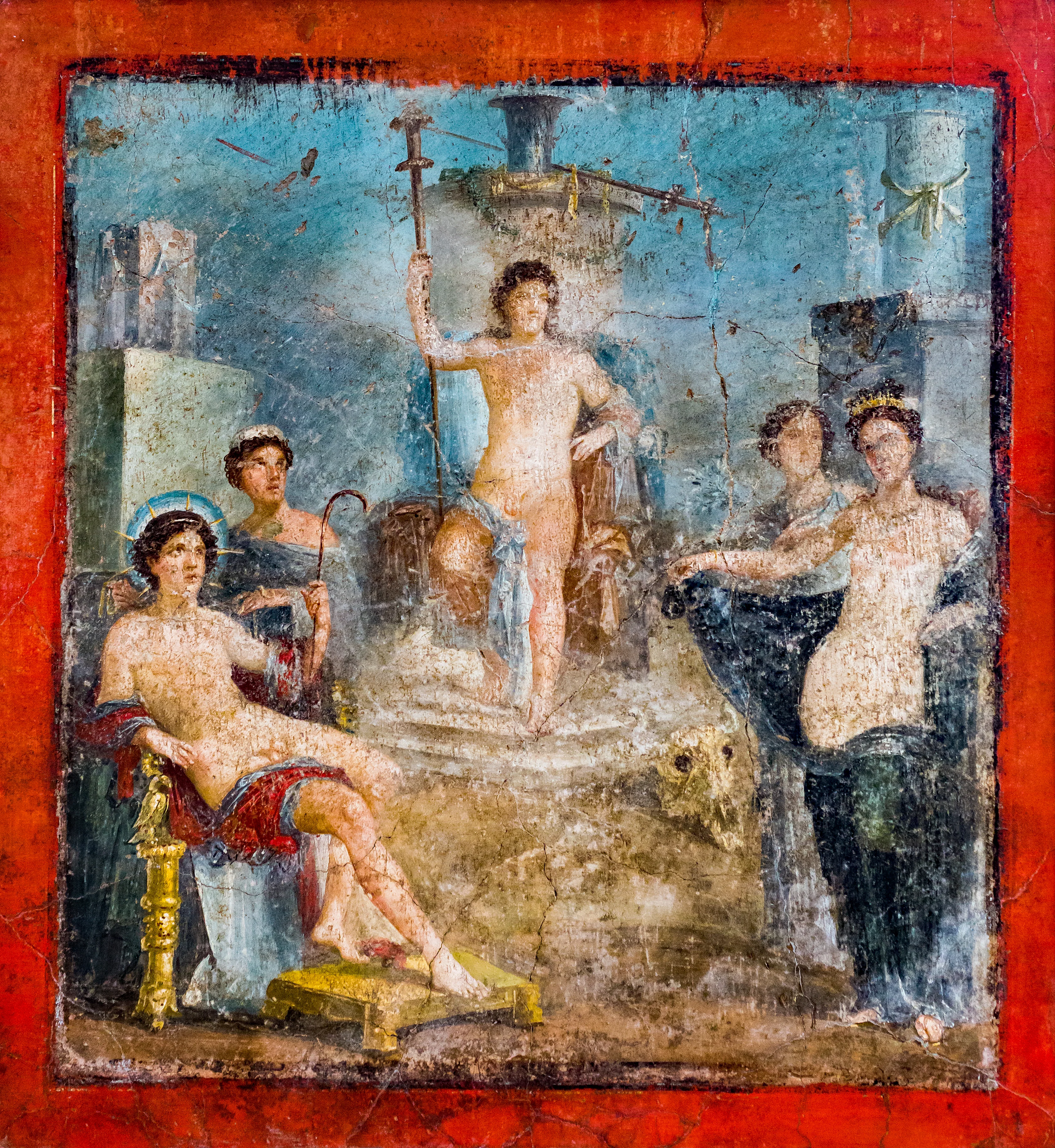
Dionysos – Theater Plays Glyptothek
Ancient summer theater in the heart of Munich: Dionysos in the courtyard of the Glyptothek combines ecstasy, power, and atmosphere. 12.07.2026, 8:00 PM. #Munich #Theater
Antigone - PREMIERE
Antigone in the courtyard of the Glyptothek: classic tragedy, open stage, and Munich summer light. Premiere on 15.07.2026, tickets from €35. #Theater
Antigone – Glyptothek Theater Games Munich 2026
An evening full of tragedy and greatness: Antigone plays in the courtyard of the Glyptothek Munich under the open sky. 16.07.2026, €38. Discover now! #Theater
Frequently Asked Questions
Reviews
No reviews found