
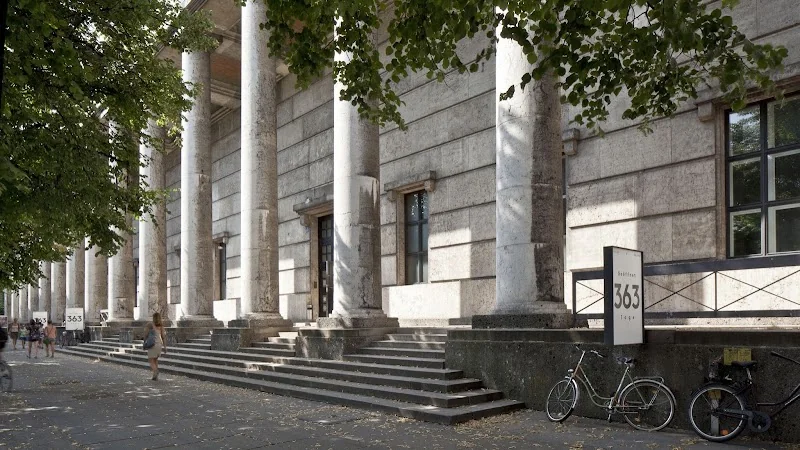
München
Prinzregentenstraße 1, 80538 München-Altstadt-Lehel, Deutschland
House of Art | Exhibitions & Opening Hours
The House of Art in Munich is much more than a classic museum: It is a place where history, present, and artistic experiments meet. The building at Prinzregentenstraße 1 was opened in 1937 as the "House of German Art" and was one of the first architectural showcase projects of the Nazi regime. After World War II, the American army initially used the house as an officers' casino, before the first art exhibitions from 1946 shaped its path towards a place for previously marginalized and later contemporary art. Today, the House of Art sees itself as a globally active center for contemporary arts, working with living artists, opening new connections in art history, and continually questioning its own architecture. Therefore, those searching for House of Art Munich, House of Art exhibition, or House of Art current exhibition will find a place with extraordinary depth and a very vibrant present. ([hausderkunst.de](https://www.hausderkunst.de/en/about-us?utm_source=openai))
For visitors, the House of Art is also a cultural destination, a social meeting point, and a practical exhibition space with clear visitor information. The opening hours are straightforward, admission is free on certain days, public transport access is well described, and there is also a parking lot directly behind the building for those arriving by car. Additionally, services such as a museum shop by Walther König, lockers, barrier-free paths, and the Golden Bar as a gastronomic attraction make the location interesting for culture enthusiasts, families, school classes, tourists, and locals alike. Therefore, the focus is not only on exhibitions and programs but also on practical questions regarding opening hours, parking, children's programs, tickets, and special places within the house. ([hausderkunst.de](https://www.hausderkunst.de/ihr-besuch?utm_source=openai))
Current Exhibitions and Program at the House of Art
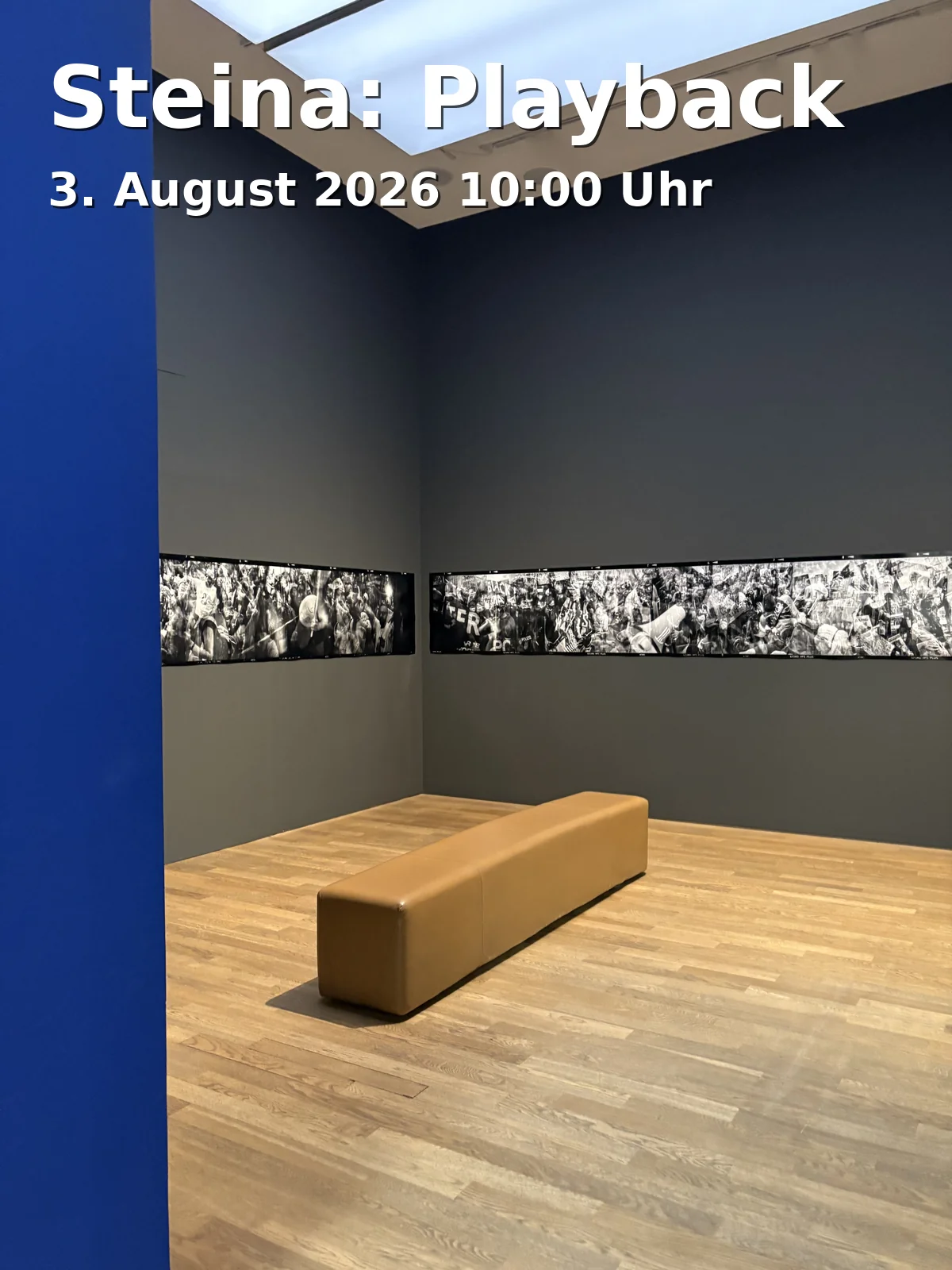
The program of the House of Art does not follow a rigid fair or event logic, but rather a curated dramaturgy of exhibitions, mediation, sound formats, and open meeting spaces. The official program overview for 2026 shows how strongly the house relies on recurring formats such as Open House and TUNE, while also offering major presentations like Steina: Playback, Tomás Saraceno. Ancestral Futures, Super BOOKS 7, or Diane Severin Nguyen. This mix is particularly relevant for searches like House of Art program, House of Art Munich current exhibition, or House of Art exhibition, as it shows: This is not just about a single highlight, but about an entire exhibition year with different spaces and audience formats. According to its own representation, the house sees itself as an open, experimental space that enables encounters, learning, and long-term collaborative design. ([hausderkunst.de](https://www.hausderkunst.de/eintauchen/programm-2026?utm_source=openai))
Particularly striking is the way the content is distributed throughout the building. The programs utilize the central hall, terrace hall, galleries, and other areas as part of the artistic concept. Open House takes place every last Friday of the month at various locations and transforms the house into a lively meeting point for art, music, and community. TUNE, on the other hand, is a monthly series of residencies between sound, music, and visual art that establishes the listening experience as a fixed part of the museum program. Such formats make the institution attractive to a broader audience because they not only offer a classic exhibition experience but also workshops, discussions, performances, and participatory offers. This is precisely why the House of Art is also interesting for visitors looking for programs, children's events, free admission, or special experiences. ([hausderkunst.de](https://www.hausderkunst.de/veranstaltungen/open-haus-frei-rein-fein-raus-272355?utm_source=openai))
The current program logic is also strongly connected to themes, research, and artistic production. According to its own description, the house works transdisciplinarily, transnationally, and transgenerationally, placing works by living artists in dialogue with art history as well as with digital and societal developments. For visitors, this means: The exhibitions shown are not merely closed spaces with pictures on the wall, but often entire thought and experience spaces that deal with technology, ecology, memory, sound, or social practice. Those who follow the official program page will also notice that many projects run for months and extend across several areas of the house. This makes the House of Art relevant not only for one-time visits but also for repeated stays, as the program noticeably changes throughout the year. ([hausderkunst.de](https://www.hausderkunst.de/en/about-us?utm_source=openai))
Opening Hours, Tickets, and Free Admission
For planning a visit, the opening hours are a central topic, and here the House of Art provides clear information. Generally, the house is open from Wednesday to Monday from 10 AM to 8 PM; it is closed on Tuesdays. Additionally, the museum points out that the exhibition spaces close 15 minutes before the official end. Therefore, those arriving late in the evening should consider not only the overall opening but also the actual time in the exhibition area. This information is particularly important for searches like House of Art opening hours or House of Art tickets, as it directly determines when a visit is truly worthwhile. ([hausderkunst.de](https://www.hausderkunst.de/en/plan-your-visit?utm_source=openai))
Another advantage is the free admission every last Friday of the month from 4 PM to 10 PM as part of Open House. This format has now become a fixed part of the house and attracts people who want to experience art without a high threshold. Tickets can generally be purchased online via the website or on-site at the ticket counter. This is convenient for spontaneous visits, as well as for those who prefer to plan ahead. The official website also links to a dedicated ticket area and provides information for groups, school classes, and special tours. Thus, the House of Art is not only an exhibition address but also a place with differentiated visitor operations that is suitable for both planned cultural trips and spontaneous evenings with free admission. ([hausderkunst.de](https://www.hausderkunst.de/ihr-besuch?utm_source=openai))
Those who want to combine the visit with several program points should also note the special distribution of roles in the house: Not every opening automatically means that all rooms are usable at the same rhythm. The calendar includes formats in the central hall, terrace hall, south gallery, west gallery, or archive gallery, which have different durations and access situations. This means in practice: The House of Art is not a place with a single standard tour, but a lively building with changing presentations and temporally varying events. This is precisely why the official opening hours, the last Friday format, and the ticket information are so important. They form the basic structure for meaningful visit planning and help avoid waiting times or missed program points. ([hausderkunst.de](https://www.hausderkunst.de/eintauchen/programm-2026?utm_source=openai))
Access, Parking, and Practical Visit Tips
Access to the House of Art is relatively straightforward, as the official visit page lists several options. By bus, you can reach the house via line 100 to Königinstraße. By subway, you can either go to Lehel and continue with tram 16 towards Effnerplatz to Nationalmuseum / House of Art or via Odeonsplatz with bus 100 towards Ostbahnhof to Königinstraße. By S-Bahn, you go to Isartor, and from there continue with tram 16 to the stop Nationalmuseum / House of Art. Those arriving by car will find a large paid parking lot behind the building. For searches like House of Art access or House of Art parking, this information is particularly valuable as it shows that the location is easily accessible by both public transport and car. ([hausderkunst.de](https://www.hausderkunst.de/ihr-besuch?utm_source=openai))
When parking, the access is especially important: It is located on the right side of the building between the House of Art and the Eisbach wave. The parking lot is open 24/7. The fees are clearly regulated: On weekdays, 2 hours cost 3 euros, on Sundays and public holidays, 3 hours cost 3 euros; each additional started hour costs 2 euros. This is helpful information, as many visitors search for parking, parking spaces, or costs shortly before their visit. Additionally, the FAQ page provides practical information about lockers and sanitary facilities: There are two locker rooms for which a deposit of 1 euro is required, and the restrooms are located at the end of the long corridors behind the ticket counter. A barrier-free unisex restroom is accessible via the right corridor, and changing tables are also available. ([hausderkunst.de](https://www.hausderkunst.de/ihr-besuch/faq?utm_source=openai))
The House is also well prepared for a relaxed museum visit itself. The museum shop by Walther König is located in the building, so books, catalogs, and small souvenirs are available on-site. Furthermore, the house clearly states on its pages that visitors can receive further information through the service or FAQ sections if they have questions. Those coming with a group or school class should register their visit. And those planning a special format outside regular opening hours can request special tours in exceptional cases. In summary, it shows: The House of Art is practically organized and still a house with character that convinces not only through its art but also through easily accessible visitor paths. ([hausderkunst.de](https://www.hausderkunst.de/service?utm_source=openai))
Golden Bar, Shop, and On-Site Services
The Golden Bar is one of the most well-known ancillary offerings of the house and is almost a destination in itself for many visitors. It was renovated in 2010 and reopened with a new tenant. According to the official description, there is a daily changing menu in addition to the daytime café and extended evening hours. The bar itself has a long history, as it was already part of the central restaurant concept with a garden terrace at the opening of the house in 1937. For searches like House of Art Golden Bar, this is particularly relevant because the bar elegantly extends the museum visit: You can see exhibitions and then eat, drink, or wind down the day in a historic setting. The opening hours may change at short notice, which is why the official bar page explicitly refers to current information. ([hausderkunst.de](https://www.hausderkunst.de/ihr-besuch/goldene-bar?utm_source=openai))
However, the service concept goes beyond gastronomy in the house. The website points out the possibility of renting rooms for external events and offers a dedicated service area for this purpose. This is interesting for companies, cultural partners, or private organizers looking for a special location in Munich. Additionally, the institution provides information about newsletters, annual passes, vouchers, and calls for proposals. For practical visits, there are also notes on accessibility and inclusive tours. Wheelchairs and portable stools can be borrowed free of charge at the ticket counter, and the house recommends a companion if needed. Such details are not spectacular but are crucial for the everyday visit because they show that the House of Art is not only aesthetically demanding but also organizationally responsive to different needs. ([hausderkunst.de](https://www.hausderkunst.de/service?utm_source=openai))
Another aspect that is often underestimated in searches is the quality of stay within the building itself. With a shop, lockers, barrier-free restrooms, changing facilities, and various gastronomic or programmatic anchor points, a visit can be well structured. This is especially important during longer exhibition tours or events with multiple program stations. The House of Art is thus not only an address for art enthusiasts but also a place where half a day can be meaningfully spent. Therefore, those looking for House of Art photos, House of Art program, or House of Art Munich should not overlook the services in the house: They contribute significantly to making the visit comfortable, flexible, and planable. ([hausderkunst.de](https://www.hausderkunst.de/en/plan-your-visit/faq?utm_source=openai))
History of the House of Art: From 1937 to Today
The history of the House of Art is one of the reasons why this place in Munich is so special. According to the official history, the building was opened in 1937 as the "House of German Art" and was one of the first architectural showcase projects of the Nazi regime. It served as a central place for art politics and propaganda and was thus ideologically charged from the very beginning. After World War II, the building was initially used by the American army as an officers' casino. Only the art exhibitions starting in 1946 shaped the profile of the house as a place for the previously marginalized modernity. This development marks a deep historical change: from a symbol of Nazi representation to a critical place for modern and contemporary art. ([hausderkunst.de](https://www.hausderkunst.de/en/about-us/history?utm_source=openai))
Today, the House of Art presents itself as a globally active center for modern and contemporary art that does not suppress its past but actively reflects on it. The institution understands the engagement with architecture and heritage as part of its mission, and artists explicitly engage in this process of questioning in their exhibitions. The official chronicle emphasizes that the house has organized more than 300 exhibitions to date. This is not just a number but an indication of the enormous range of program work and the long-standing international impact of the institution. It is precisely this connection of historical burden, architectural presence, and programmatic openness that makes the House of Art so exciting for visitors. Therefore, those searching for history, background, or special features will find not only a museum name here but a multifaceted cultural history. ([hausderkunst.de](https://www.hausderkunst.de/en/about-us/history/chronicle?utm_source=openai))
The current programming is also directly connected to this history. The house positions itself as a space where historical canons are re-read, stereotypes are questioned, and new contexts are created. It is not about museal stagnation but about a lively engagement with the present, digital transformation, and societal changes. This approach explains why the House of Art is so frequently mentioned in connection with contemporary exhibitions, experimental formats, and transdisciplinary art. The architecture remains part of the experience: The building itself is not merely a shell but a critical player in the cultural process. ([hausderkunst.de](https://www.hausderkunst.de/en/about-us?utm_source=openai))
Children, Families, and Educational Offers
Those coming to the House of Art with children or teenagers will find a clearly visible educational offer. The house regularly promotes Open House as an open, intergenerational program day with family tours, participatory formats, music, and participatory elements. Additionally, there are changing events like MMMHouse, Open Atelier, or study days aimed at families, children, and teenagers. For searches like House of Art children or House of Art free admission, this is particularly attractive as it shows: The house is not only open to art-savvy adults but explicitly also to younger audiences and families. Especially Open House lowers the threshold further, as no ticket or prior registration is required. ([hausderkunst.de](https://www.hausderkunst.de/veranstaltungen/open-haus-frei-rein-fein-raus-272355?utm_source=openai))
Schools and groups are also directly addressed. The visit page states that school classes and other groups with children or teenagers are always welcome, but should register their visit in advance. Accompanying programs for exhibitions include tours and workshops. The house also offers inclusive tours and provides practical assistance upon request. This combination of openness and structure is important for families and educational institutions because it makes a museum visit planable without demystifying it. Therefore, those looking for a place where art education works not dryly but vibrantly will find a very good address at the House of Art. ([hausderkunst.de](https://www.hausderkunst.de/ihr-besuch?utm_source=openai))
For everyday visits with children, the small things are also crucial: There are restrooms, changing facilities, lockers, and a house that regularly invites participation through open formats. The educational offers are not intended as a footnote but as an integral part of the program strategy. This fits with the self-description of the house as a porous, transparent interface with and for the public. This transforms the museum into a place that is not only looked at but where one participates, experiments, and experiences art education tailored to different age groups. This is exactly what makes the House of Art Munich so interesting for families, educational visitors, and curious explorers. ([hausderkunst.de](https://www.hausderkunst.de/en/about-us?utm_source=openai))
Sources:
Mehr anzeigenWeniger anzeigen
House of Art | Exhibitions & Opening Hours
The House of Art in Munich is much more than a classic museum: It is a place where history, present, and artistic experiments meet. The building at Prinzregentenstraße 1 was opened in 1937 as the "House of German Art" and was one of the first architectural showcase projects of the Nazi regime. After World War II, the American army initially used the house as an officers' casino, before the first art exhibitions from 1946 shaped its path towards a place for previously marginalized and later contemporary art. Today, the House of Art sees itself as a globally active center for contemporary arts, working with living artists, opening new connections in art history, and continually questioning its own architecture. Therefore, those searching for House of Art Munich, House of Art exhibition, or House of Art current exhibition will find a place with extraordinary depth and a very vibrant present. ([hausderkunst.de](https://www.hausderkunst.de/en/about-us?utm_source=openai))
For visitors, the House of Art is also a cultural destination, a social meeting point, and a practical exhibition space with clear visitor information. The opening hours are straightforward, admission is free on certain days, public transport access is well described, and there is also a parking lot directly behind the building for those arriving by car. Additionally, services such as a museum shop by Walther König, lockers, barrier-free paths, and the Golden Bar as a gastronomic attraction make the location interesting for culture enthusiasts, families, school classes, tourists, and locals alike. Therefore, the focus is not only on exhibitions and programs but also on practical questions regarding opening hours, parking, children's programs, tickets, and special places within the house. ([hausderkunst.de](https://www.hausderkunst.de/ihr-besuch?utm_source=openai))
Current Exhibitions and Program at the House of Art
The program of the House of Art does not follow a rigid fair or event logic, but rather a curated dramaturgy of exhibitions, mediation, sound formats, and open meeting spaces. The official program overview for 2026 shows how strongly the house relies on recurring formats such as Open House and TUNE, while also offering major presentations like Steina: Playback, Tomás Saraceno. Ancestral Futures, Super BOOKS 7, or Diane Severin Nguyen. This mix is particularly relevant for searches like House of Art program, House of Art Munich current exhibition, or House of Art exhibition, as it shows: This is not just about a single highlight, but about an entire exhibition year with different spaces and audience formats. According to its own representation, the house sees itself as an open, experimental space that enables encounters, learning, and long-term collaborative design. ([hausderkunst.de](https://www.hausderkunst.de/eintauchen/programm-2026?utm_source=openai))
Particularly striking is the way the content is distributed throughout the building. The programs utilize the central hall, terrace hall, galleries, and other areas as part of the artistic concept. Open House takes place every last Friday of the month at various locations and transforms the house into a lively meeting point for art, music, and community. TUNE, on the other hand, is a monthly series of residencies between sound, music, and visual art that establishes the listening experience as a fixed part of the museum program. Such formats make the institution attractive to a broader audience because they not only offer a classic exhibition experience but also workshops, discussions, performances, and participatory offers. This is precisely why the House of Art is also interesting for visitors looking for programs, children's events, free admission, or special experiences. ([hausderkunst.de](https://www.hausderkunst.de/veranstaltungen/open-haus-frei-rein-fein-raus-272355?utm_source=openai))
The current program logic is also strongly connected to themes, research, and artistic production. According to its own description, the house works transdisciplinarily, transnationally, and transgenerationally, placing works by living artists in dialogue with art history as well as with digital and societal developments. For visitors, this means: The exhibitions shown are not merely closed spaces with pictures on the wall, but often entire thought and experience spaces that deal with technology, ecology, memory, sound, or social practice. Those who follow the official program page will also notice that many projects run for months and extend across several areas of the house. This makes the House of Art relevant not only for one-time visits but also for repeated stays, as the program noticeably changes throughout the year. ([hausderkunst.de](https://www.hausderkunst.de/en/about-us?utm_source=openai))
Opening Hours, Tickets, and Free Admission
For planning a visit, the opening hours are a central topic, and here the House of Art provides clear information. Generally, the house is open from Wednesday to Monday from 10 AM to 8 PM; it is closed on Tuesdays. Additionally, the museum points out that the exhibition spaces close 15 minutes before the official end. Therefore, those arriving late in the evening should consider not only the overall opening but also the actual time in the exhibition area. This information is particularly important for searches like House of Art opening hours or House of Art tickets, as it directly determines when a visit is truly worthwhile. ([hausderkunst.de](https://www.hausderkunst.de/en/plan-your-visit?utm_source=openai))
Another advantage is the free admission every last Friday of the month from 4 PM to 10 PM as part of Open House. This format has now become a fixed part of the house and attracts people who want to experience art without a high threshold. Tickets can generally be purchased online via the website or on-site at the ticket counter. This is convenient for spontaneous visits, as well as for those who prefer to plan ahead. The official website also links to a dedicated ticket area and provides information for groups, school classes, and special tours. Thus, the House of Art is not only an exhibition address but also a place with differentiated visitor operations that is suitable for both planned cultural trips and spontaneous evenings with free admission. ([hausderkunst.de](https://www.hausderkunst.de/ihr-besuch?utm_source=openai))
Those who want to combine the visit with several program points should also note the special distribution of roles in the house: Not every opening automatically means that all rooms are usable at the same rhythm. The calendar includes formats in the central hall, terrace hall, south gallery, west gallery, or archive gallery, which have different durations and access situations. This means in practice: The House of Art is not a place with a single standard tour, but a lively building with changing presentations and temporally varying events. This is precisely why the official opening hours, the last Friday format, and the ticket information are so important. They form the basic structure for meaningful visit planning and help avoid waiting times or missed program points. ([hausderkunst.de](https://www.hausderkunst.de/eintauchen/programm-2026?utm_source=openai))
Access, Parking, and Practical Visit Tips
Access to the House of Art is relatively straightforward, as the official visit page lists several options. By bus, you can reach the house via line 100 to Königinstraße. By subway, you can either go to Lehel and continue with tram 16 towards Effnerplatz to Nationalmuseum / House of Art or via Odeonsplatz with bus 100 towards Ostbahnhof to Königinstraße. By S-Bahn, you go to Isartor, and from there continue with tram 16 to the stop Nationalmuseum / House of Art. Those arriving by car will find a large paid parking lot behind the building. For searches like House of Art access or House of Art parking, this information is particularly valuable as it shows that the location is easily accessible by both public transport and car. ([hausderkunst.de](https://www.hausderkunst.de/ihr-besuch?utm_source=openai))
When parking, the access is especially important: It is located on the right side of the building between the House of Art and the Eisbach wave. The parking lot is open 24/7. The fees are clearly regulated: On weekdays, 2 hours cost 3 euros, on Sundays and public holidays, 3 hours cost 3 euros; each additional started hour costs 2 euros. This is helpful information, as many visitors search for parking, parking spaces, or costs shortly before their visit. Additionally, the FAQ page provides practical information about lockers and sanitary facilities: There are two locker rooms for which a deposit of 1 euro is required, and the restrooms are located at the end of the long corridors behind the ticket counter. A barrier-free unisex restroom is accessible via the right corridor, and changing tables are also available. ([hausderkunst.de](https://www.hausderkunst.de/ihr-besuch/faq?utm_source=openai))
The House is also well prepared for a relaxed museum visit itself. The museum shop by Walther König is located in the building, so books, catalogs, and small souvenirs are available on-site. Furthermore, the house clearly states on its pages that visitors can receive further information through the service or FAQ sections if they have questions. Those coming with a group or school class should register their visit. And those planning a special format outside regular opening hours can request special tours in exceptional cases. In summary, it shows: The House of Art is practically organized and still a house with character that convinces not only through its art but also through easily accessible visitor paths. ([hausderkunst.de](https://www.hausderkunst.de/service?utm_source=openai))
Golden Bar, Shop, and On-Site Services
The Golden Bar is one of the most well-known ancillary offerings of the house and is almost a destination in itself for many visitors. It was renovated in 2010 and reopened with a new tenant. According to the official description, there is a daily changing menu in addition to the daytime café and extended evening hours. The bar itself has a long history, as it was already part of the central restaurant concept with a garden terrace at the opening of the house in 1937. For searches like House of Art Golden Bar, this is particularly relevant because the bar elegantly extends the museum visit: You can see exhibitions and then eat, drink, or wind down the day in a historic setting. The opening hours may change at short notice, which is why the official bar page explicitly refers to current information. ([hausderkunst.de](https://www.hausderkunst.de/ihr-besuch/goldene-bar?utm_source=openai))
However, the service concept goes beyond gastronomy in the house. The website points out the possibility of renting rooms for external events and offers a dedicated service area for this purpose. This is interesting for companies, cultural partners, or private organizers looking for a special location in Munich. Additionally, the institution provides information about newsletters, annual passes, vouchers, and calls for proposals. For practical visits, there are also notes on accessibility and inclusive tours. Wheelchairs and portable stools can be borrowed free of charge at the ticket counter, and the house recommends a companion if needed. Such details are not spectacular but are crucial for the everyday visit because they show that the House of Art is not only aesthetically demanding but also organizationally responsive to different needs. ([hausderkunst.de](https://www.hausderkunst.de/service?utm_source=openai))
Another aspect that is often underestimated in searches is the quality of stay within the building itself. With a shop, lockers, barrier-free restrooms, changing facilities, and various gastronomic or programmatic anchor points, a visit can be well structured. This is especially important during longer exhibition tours or events with multiple program stations. The House of Art is thus not only an address for art enthusiasts but also a place where half a day can be meaningfully spent. Therefore, those looking for House of Art photos, House of Art program, or House of Art Munich should not overlook the services in the house: They contribute significantly to making the visit comfortable, flexible, and planable. ([hausderkunst.de](https://www.hausderkunst.de/en/plan-your-visit/faq?utm_source=openai))
History of the House of Art: From 1937 to Today
The history of the House of Art is one of the reasons why this place in Munich is so special. According to the official history, the building was opened in 1937 as the "House of German Art" and was one of the first architectural showcase projects of the Nazi regime. It served as a central place for art politics and propaganda and was thus ideologically charged from the very beginning. After World War II, the building was initially used by the American army as an officers' casino. Only the art exhibitions starting in 1946 shaped the profile of the house as a place for the previously marginalized modernity. This development marks a deep historical change: from a symbol of Nazi representation to a critical place for modern and contemporary art. ([hausderkunst.de](https://www.hausderkunst.de/en/about-us/history?utm_source=openai))
Today, the House of Art presents itself as a globally active center for modern and contemporary art that does not suppress its past but actively reflects on it. The institution understands the engagement with architecture and heritage as part of its mission, and artists explicitly engage in this process of questioning in their exhibitions. The official chronicle emphasizes that the house has organized more than 300 exhibitions to date. This is not just a number but an indication of the enormous range of program work and the long-standing international impact of the institution. It is precisely this connection of historical burden, architectural presence, and programmatic openness that makes the House of Art so exciting for visitors. Therefore, those searching for history, background, or special features will find not only a museum name here but a multifaceted cultural history. ([hausderkunst.de](https://www.hausderkunst.de/en/about-us/history/chronicle?utm_source=openai))
The current programming is also directly connected to this history. The house positions itself as a space where historical canons are re-read, stereotypes are questioned, and new contexts are created. It is not about museal stagnation but about a lively engagement with the present, digital transformation, and societal changes. This approach explains why the House of Art is so frequently mentioned in connection with contemporary exhibitions, experimental formats, and transdisciplinary art. The architecture remains part of the experience: The building itself is not merely a shell but a critical player in the cultural process. ([hausderkunst.de](https://www.hausderkunst.de/en/about-us?utm_source=openai))
Children, Families, and Educational Offers
Those coming to the House of Art with children or teenagers will find a clearly visible educational offer. The house regularly promotes Open House as an open, intergenerational program day with family tours, participatory formats, music, and participatory elements. Additionally, there are changing events like MMMHouse, Open Atelier, or study days aimed at families, children, and teenagers. For searches like House of Art children or House of Art free admission, this is particularly attractive as it shows: The house is not only open to art-savvy adults but explicitly also to younger audiences and families. Especially Open House lowers the threshold further, as no ticket or prior registration is required. ([hausderkunst.de](https://www.hausderkunst.de/veranstaltungen/open-haus-frei-rein-fein-raus-272355?utm_source=openai))
Schools and groups are also directly addressed. The visit page states that school classes and other groups with children or teenagers are always welcome, but should register their visit in advance. Accompanying programs for exhibitions include tours and workshops. The house also offers inclusive tours and provides practical assistance upon request. This combination of openness and structure is important for families and educational institutions because it makes a museum visit planable without demystifying it. Therefore, those looking for a place where art education works not dryly but vibrantly will find a very good address at the House of Art. ([hausderkunst.de](https://www.hausderkunst.de/ihr-besuch?utm_source=openai))
For everyday visits with children, the small things are also crucial: There are restrooms, changing facilities, lockers, and a house that regularly invites participation through open formats. The educational offers are not intended as a footnote but as an integral part of the program strategy. This fits with the self-description of the house as a porous, transparent interface with and for the public. This transforms the museum into a place that is not only looked at but where one participates, experiments, and experiences art education tailored to different age groups. This is exactly what makes the House of Art Munich so interesting for families, educational visitors, and curious explorers. ([hausderkunst.de](https://www.hausderkunst.de/en/about-us?utm_source=openai))
Sources:
House of Art | Exhibitions & Opening Hours
The House of Art in Munich is much more than a classic museum: It is a place where history, present, and artistic experiments meet. The building at Prinzregentenstraße 1 was opened in 1937 as the "House of German Art" and was one of the first architectural showcase projects of the Nazi regime. After World War II, the American army initially used the house as an officers' casino, before the first art exhibitions from 1946 shaped its path towards a place for previously marginalized and later contemporary art. Today, the House of Art sees itself as a globally active center for contemporary arts, working with living artists, opening new connections in art history, and continually questioning its own architecture. Therefore, those searching for House of Art Munich, House of Art exhibition, or House of Art current exhibition will find a place with extraordinary depth and a very vibrant present. ([hausderkunst.de](https://www.hausderkunst.de/en/about-us?utm_source=openai))
For visitors, the House of Art is also a cultural destination, a social meeting point, and a practical exhibition space with clear visitor information. The opening hours are straightforward, admission is free on certain days, public transport access is well described, and there is also a parking lot directly behind the building for those arriving by car. Additionally, services such as a museum shop by Walther König, lockers, barrier-free paths, and the Golden Bar as a gastronomic attraction make the location interesting for culture enthusiasts, families, school classes, tourists, and locals alike. Therefore, the focus is not only on exhibitions and programs but also on practical questions regarding opening hours, parking, children's programs, tickets, and special places within the house. ([hausderkunst.de](https://www.hausderkunst.de/ihr-besuch?utm_source=openai))
Current Exhibitions and Program at the House of Art
The program of the House of Art does not follow a rigid fair or event logic, but rather a curated dramaturgy of exhibitions, mediation, sound formats, and open meeting spaces. The official program overview for 2026 shows how strongly the house relies on recurring formats such as Open House and TUNE, while also offering major presentations like Steina: Playback, Tomás Saraceno. Ancestral Futures, Super BOOKS 7, or Diane Severin Nguyen. This mix is particularly relevant for searches like House of Art program, House of Art Munich current exhibition, or House of Art exhibition, as it shows: This is not just about a single highlight, but about an entire exhibition year with different spaces and audience formats. According to its own representation, the house sees itself as an open, experimental space that enables encounters, learning, and long-term collaborative design. ([hausderkunst.de](https://www.hausderkunst.de/eintauchen/programm-2026?utm_source=openai))
Particularly striking is the way the content is distributed throughout the building. The programs utilize the central hall, terrace hall, galleries, and other areas as part of the artistic concept. Open House takes place every last Friday of the month at various locations and transforms the house into a lively meeting point for art, music, and community. TUNE, on the other hand, is a monthly series of residencies between sound, music, and visual art that establishes the listening experience as a fixed part of the museum program. Such formats make the institution attractive to a broader audience because they not only offer a classic exhibition experience but also workshops, discussions, performances, and participatory offers. This is precisely why the House of Art is also interesting for visitors looking for programs, children's events, free admission, or special experiences. ([hausderkunst.de](https://www.hausderkunst.de/veranstaltungen/open-haus-frei-rein-fein-raus-272355?utm_source=openai))
The current program logic is also strongly connected to themes, research, and artistic production. According to its own description, the house works transdisciplinarily, transnationally, and transgenerationally, placing works by living artists in dialogue with art history as well as with digital and societal developments. For visitors, this means: The exhibitions shown are not merely closed spaces with pictures on the wall, but often entire thought and experience spaces that deal with technology, ecology, memory, sound, or social practice. Those who follow the official program page will also notice that many projects run for months and extend across several areas of the house. This makes the House of Art relevant not only for one-time visits but also for repeated stays, as the program noticeably changes throughout the year. ([hausderkunst.de](https://www.hausderkunst.de/en/about-us?utm_source=openai))
Opening Hours, Tickets, and Free Admission
For planning a visit, the opening hours are a central topic, and here the House of Art provides clear information. Generally, the house is open from Wednesday to Monday from 10 AM to 8 PM; it is closed on Tuesdays. Additionally, the museum points out that the exhibition spaces close 15 minutes before the official end. Therefore, those arriving late in the evening should consider not only the overall opening but also the actual time in the exhibition area. This information is particularly important for searches like House of Art opening hours or House of Art tickets, as it directly determines when a visit is truly worthwhile. ([hausderkunst.de](https://www.hausderkunst.de/en/plan-your-visit?utm_source=openai))
Another advantage is the free admission every last Friday of the month from 4 PM to 10 PM as part of Open House. This format has now become a fixed part of the house and attracts people who want to experience art without a high threshold. Tickets can generally be purchased online via the website or on-site at the ticket counter. This is convenient for spontaneous visits, as well as for those who prefer to plan ahead. The official website also links to a dedicated ticket area and provides information for groups, school classes, and special tours. Thus, the House of Art is not only an exhibition address but also a place with differentiated visitor operations that is suitable for both planned cultural trips and spontaneous evenings with free admission. ([hausderkunst.de](https://www.hausderkunst.de/ihr-besuch?utm_source=openai))
Those who want to combine the visit with several program points should also note the special distribution of roles in the house: Not every opening automatically means that all rooms are usable at the same rhythm. The calendar includes formats in the central hall, terrace hall, south gallery, west gallery, or archive gallery, which have different durations and access situations. This means in practice: The House of Art is not a place with a single standard tour, but a lively building with changing presentations and temporally varying events. This is precisely why the official opening hours, the last Friday format, and the ticket information are so important. They form the basic structure for meaningful visit planning and help avoid waiting times or missed program points. ([hausderkunst.de](https://www.hausderkunst.de/eintauchen/programm-2026?utm_source=openai))
Access, Parking, and Practical Visit Tips
Access to the House of Art is relatively straightforward, as the official visit page lists several options. By bus, you can reach the house via line 100 to Königinstraße. By subway, you can either go to Lehel and continue with tram 16 towards Effnerplatz to Nationalmuseum / House of Art or via Odeonsplatz with bus 100 towards Ostbahnhof to Königinstraße. By S-Bahn, you go to Isartor, and from there continue with tram 16 to the stop Nationalmuseum / House of Art. Those arriving by car will find a large paid parking lot behind the building. For searches like House of Art access or House of Art parking, this information is particularly valuable as it shows that the location is easily accessible by both public transport and car. ([hausderkunst.de](https://www.hausderkunst.de/ihr-besuch?utm_source=openai))
When parking, the access is especially important: It is located on the right side of the building between the House of Art and the Eisbach wave. The parking lot is open 24/7. The fees are clearly regulated: On weekdays, 2 hours cost 3 euros, on Sundays and public holidays, 3 hours cost 3 euros; each additional started hour costs 2 euros. This is helpful information, as many visitors search for parking, parking spaces, or costs shortly before their visit. Additionally, the FAQ page provides practical information about lockers and sanitary facilities: There are two locker rooms for which a deposit of 1 euro is required, and the restrooms are located at the end of the long corridors behind the ticket counter. A barrier-free unisex restroom is accessible via the right corridor, and changing tables are also available. ([hausderkunst.de](https://www.hausderkunst.de/ihr-besuch/faq?utm_source=openai))
The House is also well prepared for a relaxed museum visit itself. The museum shop by Walther König is located in the building, so books, catalogs, and small souvenirs are available on-site. Furthermore, the house clearly states on its pages that visitors can receive further information through the service or FAQ sections if they have questions. Those coming with a group or school class should register their visit. And those planning a special format outside regular opening hours can request special tours in exceptional cases. In summary, it shows: The House of Art is practically organized and still a house with character that convinces not only through its art but also through easily accessible visitor paths. ([hausderkunst.de](https://www.hausderkunst.de/service?utm_source=openai))
Golden Bar, Shop, and On-Site Services
The Golden Bar is one of the most well-known ancillary offerings of the house and is almost a destination in itself for many visitors. It was renovated in 2010 and reopened with a new tenant. According to the official description, there is a daily changing menu in addition to the daytime café and extended evening hours. The bar itself has a long history, as it was already part of the central restaurant concept with a garden terrace at the opening of the house in 1937. For searches like House of Art Golden Bar, this is particularly relevant because the bar elegantly extends the museum visit: You can see exhibitions and then eat, drink, or wind down the day in a historic setting. The opening hours may change at short notice, which is why the official bar page explicitly refers to current information. ([hausderkunst.de](https://www.hausderkunst.de/ihr-besuch/goldene-bar?utm_source=openai))
However, the service concept goes beyond gastronomy in the house. The website points out the possibility of renting rooms for external events and offers a dedicated service area for this purpose. This is interesting for companies, cultural partners, or private organizers looking for a special location in Munich. Additionally, the institution provides information about newsletters, annual passes, vouchers, and calls for proposals. For practical visits, there are also notes on accessibility and inclusive tours. Wheelchairs and portable stools can be borrowed free of charge at the ticket counter, and the house recommends a companion if needed. Such details are not spectacular but are crucial for the everyday visit because they show that the House of Art is not only aesthetically demanding but also organizationally responsive to different needs. ([hausderkunst.de](https://www.hausderkunst.de/service?utm_source=openai))
Another aspect that is often underestimated in searches is the quality of stay within the building itself. With a shop, lockers, barrier-free restrooms, changing facilities, and various gastronomic or programmatic anchor points, a visit can be well structured. This is especially important during longer exhibition tours or events with multiple program stations. The House of Art is thus not only an address for art enthusiasts but also a place where half a day can be meaningfully spent. Therefore, those looking for House of Art photos, House of Art program, or House of Art Munich should not overlook the services in the house: They contribute significantly to making the visit comfortable, flexible, and planable. ([hausderkunst.de](https://www.hausderkunst.de/en/plan-your-visit/faq?utm_source=openai))
History of the House of Art: From 1937 to Today
The history of the House of Art is one of the reasons why this place in Munich is so special. According to the official history, the building was opened in 1937 as the "House of German Art" and was one of the first architectural showcase projects of the Nazi regime. It served as a central place for art politics and propaganda and was thus ideologically charged from the very beginning. After World War II, the building was initially used by the American army as an officers' casino. Only the art exhibitions starting in 1946 shaped the profile of the house as a place for the previously marginalized modernity. This development marks a deep historical change: from a symbol of Nazi representation to a critical place for modern and contemporary art. ([hausderkunst.de](https://www.hausderkunst.de/en/about-us/history?utm_source=openai))
Today, the House of Art presents itself as a globally active center for modern and contemporary art that does not suppress its past but actively reflects on it. The institution understands the engagement with architecture and heritage as part of its mission, and artists explicitly engage in this process of questioning in their exhibitions. The official chronicle emphasizes that the house has organized more than 300 exhibitions to date. This is not just a number but an indication of the enormous range of program work and the long-standing international impact of the institution. It is precisely this connection of historical burden, architectural presence, and programmatic openness that makes the House of Art so exciting for visitors. Therefore, those searching for history, background, or special features will find not only a museum name here but a multifaceted cultural history. ([hausderkunst.de](https://www.hausderkunst.de/en/about-us/history/chronicle?utm_source=openai))
The current programming is also directly connected to this history. The house positions itself as a space where historical canons are re-read, stereotypes are questioned, and new contexts are created. It is not about museal stagnation but about a lively engagement with the present, digital transformation, and societal changes. This approach explains why the House of Art is so frequently mentioned in connection with contemporary exhibitions, experimental formats, and transdisciplinary art. The architecture remains part of the experience: The building itself is not merely a shell but a critical player in the cultural process. ([hausderkunst.de](https://www.hausderkunst.de/en/about-us?utm_source=openai))
Children, Families, and Educational Offers
Those coming to the House of Art with children or teenagers will find a clearly visible educational offer. The house regularly promotes Open House as an open, intergenerational program day with family tours, participatory formats, music, and participatory elements. Additionally, there are changing events like MMMHouse, Open Atelier, or study days aimed at families, children, and teenagers. For searches like House of Art children or House of Art free admission, this is particularly attractive as it shows: The house is not only open to art-savvy adults but explicitly also to younger audiences and families. Especially Open House lowers the threshold further, as no ticket or prior registration is required. ([hausderkunst.de](https://www.hausderkunst.de/veranstaltungen/open-haus-frei-rein-fein-raus-272355?utm_source=openai))
Schools and groups are also directly addressed. The visit page states that school classes and other groups with children or teenagers are always welcome, but should register their visit in advance. Accompanying programs for exhibitions include tours and workshops. The house also offers inclusive tours and provides practical assistance upon request. This combination of openness and structure is important for families and educational institutions because it makes a museum visit planable without demystifying it. Therefore, those looking for a place where art education works not dryly but vibrantly will find a very good address at the House of Art. ([hausderkunst.de](https://www.hausderkunst.de/ihr-besuch?utm_source=openai))
For everyday visits with children, the small things are also crucial: There are restrooms, changing facilities, lockers, and a house that regularly invites participation through open formats. The educational offers are not intended as a footnote but as an integral part of the program strategy. This fits with the self-description of the house as a porous, transparent interface with and for the public. This transforms the museum into a place that is not only looked at but where one participates, experiments, and experiences art education tailored to different age groups. This is exactly what makes the House of Art Munich so interesting for families, educational visitors, and curious explorers. ([hausderkunst.de](https://www.hausderkunst.de/en/about-us?utm_source=openai))
Sources:
Frequently Asked Questions
Reviews
No reviews found