
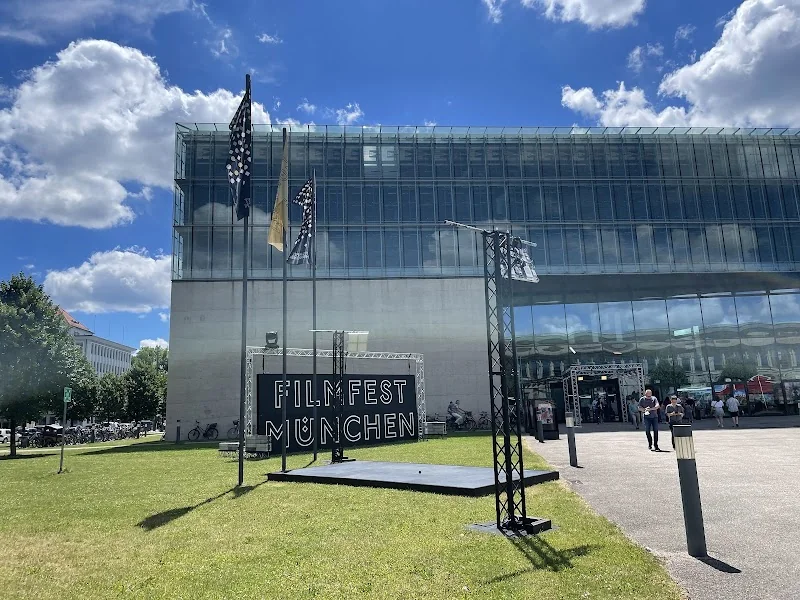
München
Bernd-Eichinger-Platz 1, Gabelsbergerstraße 35, 80333 München, Deutschland
University of Television and Film Munich | Degree Programs
The University of Television and Film Munich is much more than a well-known name in the German-speaking higher education and film environment. It stands for an education that closely connects artistic development, technical know-how, and practical work. As a state institution under the sponsorship of the Free State of Bavaria, HFF Munich is firmly anchored in the educational and cultural life of the city. Its location at Bernd-Eichinger-Platz 1 is right in the middle of the Munich art district, in close proximity to museums, cultural institutions, and an environment that visibly promotes creativity. This location makes the university very attractive to many students, film fans, and visitors, as film history, present, and future meet here every day. HFF Munich is considered one of the most prestigious film schools in the German-speaking world and has been training film talents since 1966, or since the start of its teaching operations in 1967, who later become visible in various areas of the industry. Many well-known graduates such as Caroline Link, Doris Dörrie, Maren Ade, Bernd Eichinger, Florian Henckel von Donnersmarck, Wim Wenders, or Roland Emmerich continue to shape this profile to this day. ([hff-muenchen.de](https://www.hff-muenchen.de/de_DE/leitbild))
Degree Programs, Master's and Application Processes at HFF Munich
Those looking for the degree programs at HFF Munich will find a clearly structured offer with seven study programs. These include directing for feature and television films, directing for documentary films, editing, production and media management, screenwriting, cinematography, and VFX. Additionally, there are mandatory offerings in the fields of media studies and technology, which are compulsory for all students and form the foundation of the education. Building on this, the university offers advanced specializations and courses such as television journalism, advertising, creative writing, serial storytelling, and image, light, space. This model suits a film school that not only offers classic directing subjects but also represents the entire production process of film works. It is particularly important for search queries such as degree programs, HFF, or master's: The university is currently transitioning from a diploma to a bachelor/master model. At the same time, a new master's program, Serial Storytelling: Created by AI & I, will start in the winter semester of 2026/27, which combines the development of serial narratives and AI-supported working methods. This responds to changing industry requirements and the growing importance of serial formats. ([hff-muenchen.de](https://www.hff-muenchen.de/en_EN/lehrangebot-landingpage))
For applicants, the formal framework conditions are also relevant. HFF Munich continues to award a diploma upon successful completion; at the same time, the current transition shows that the university is strategically evolving. The new master's program Serial Storytelling: Created by AI & I comprises four semesters and 120 ECTS, is taught in German and English, and requires, among other things, a first professional qualification with at least 180 ECTS as well as an aptitude assessment procedure with a personal interview. The regular degree programs start annually in the winter semester and are designed for nine full-time semesters. According to the official application page, HFF Munich does not charge tuition fees but requires the Munich student union fee of around 97 euros per semester. There is also a high language requirement level: very good German at B2 level is required for the studies. This combination of clear access requirements and practical training ensures that HFF Munich maintains its reputation as a demanding and highly specialized film school. Those seeking information about master's programs, costs, or applications will find reliable and up-to-date guidance on the official website. ([hff-muenchen.de](https://www.hff-muenchen.de/en_EN/bewerbung))
AudimaxX, Cinemas, and Technical Equipment in the New Building
A central reason why HFF Munich is interesting as an event venue and not just as a training institution lies in its exceptional technical equipment. The AudimaxX, with 326 seats on two levels, is the largest cinema hall at HFF Munich. In addition, there are further screening and meeting rooms with Kino 1, Kino 2, and the video cinema that cover different formats and group sizes. Kino 1 has 184 seats, Kino 2 has 74 seats, and the video cinema offers 15 seats in a lounge atmosphere. The projection technology is uniformly set up in the large halls, with DCI-compliant 2K projection, Full-HD and SD compatibility, as well as additional 35mm technology. This is remarkable for a film school because both digital processes and classic formats are taught in ongoing operations. The spelling AudimaxX also refers to sponsorship and shows that the university relies on professional partnerships for its infrastructure. ([hff-muenchen.de](https://hff-muenchen.de/de_DE/technische-ausstattung-landingpage))
The equipment also includes two television studios, two film studios, and a complete post-production area. Film studio 1 is the largest at HFF with 310 square meters and can be expanded with film studio 2 to a total of 370 square meters. In the technical area, the university has modern camera systems, including ARRI Alexa models, Canon C300 cameras, HD camcorders, Panasonic models for initial shoots, as well as analog film cameras in the 35mm and Super 16 range. Additionally, there are sound, editing, color grading, VFX, and encoding suites, a powerful storage network, and separate rooms for sound mixing and mastering. Particularly noteworthy is the 50 square meter television studio 2, which is described as the first LED studio in the world and works with a 3 x 6 meter LED wall. For practice, experimentation, and teamwork, this is a tremendous advantage because students not only learn theoretically but also experience real production conditions. Unlike some other film schools, HFF Munich does not have its own sound design degree program; sound mixing is supervised by professional sound engineers. This combination of theory, studio practice, and professional post-production makes the technical side of HFF Munich so strong. ([hff-muenchen.de](https://hff-muenchen.de/de_DE/technische-ausstattung-landingpage))
Library, Research, and Student Life
The library of HFF Munich is an important argument for anyone looking for the HFF library. It has established itself as one of the leading special libraries for film and television in Germany and Europe and aims to provide as comprehensive a literature offer as possible in Western languages. The collection is impressive: around 70,000 books, about 100 current magazines, approximately 19,000 DVDs, about 180 Blu-rays, around 5,000 VHS tapes, as well as numerous press dossiers, screenplays, film programs, and festival catalogs form a knowledge base that is unparalleled in the field of film and television. For students, this is particularly valuable because research, theoretical work, and practical project development can be ideally combined here. Anyone preparing for seminars, exposés, screenplays, or theses also benefits from the thematic depth of this collection. The library is organized as a reference library, meaning there is no regular lending for external users, but it remains open to all interested parties. Members of HFF Munich can borrow media; specific loan periods apply for books and DVDs. ([hff-muenchen.de](https://www.hff-muenchen.de/de_DE/bibliothek))
The library also shows how much HFF Munich is a university of work and research. Not only the large quantity of holdings is relevant, but also the specialization: film, television, and media studies are at the center, supplemented by adjacent topics such as photography, art, or literature. This aligns with HFF's hands-on philosophy, where learning by doing plays a central role. Those enrolling at HFF Munich gain access not only to studios and editing rooms but also to a documentary and historical memory of the medium. For SEO inquiries related to the library, student life, or research, this point is important because it distinguishes the university from many other training locations. Particularly exciting is that HFF not only reflects current production conditions but also keeps older media forms visible. This creates a learning environment where one not only develops the future of film but also understands its history. This combination of archive, special library, and practical production is an essential part of the HFF profile. ([hff-muenchen.de](https://www.hff-muenchen.de/de_DE/bibliothek))
Directions to HFF Munich at Bernd-Eichinger-Platz
The journey to HFF Munich is uncomplicated thanks to its inner-city location. Officially, the university is located at Bernd-Eichinger-Platz 1, 80333 Munich; previously, the address was Gabelsbergerstraße 33. The university's contact page primarily mentions traveling by public transport: From Munich Central Station or the city center, take the U2 towards Feldmoching to Königsplatz; from there, it's about a minute's ride and then approximately a ten-minute walk via Königsplatz. Those coming from Sendlinger Tor or Karlsplatz, Stachus can reach HFF by tram 27 towards Petuelring to Karolinenplatz or Pinakotheken. Tram 28 towards Scheidplatz, which stops at the same stations, is also mentioned. This is good news for visitors because HFF is located in the middle of the art district and is therefore very accessible even without a car. The official site also refers to the Munich Transport and Tariff Association and a transport comparison for traveling to Munich. ([hff-muenchen.de](https://www.hff-muenchen.de/en_EN/contact?utm_source=openai))
For practical planning, this means: If you are planning a visit, an open house day, or an event at HFF Munich, you should prefer public transport. The location in the art district is urban, dense, and excellently connected, but it is not designed for a classic park-and-ride model. Therefore, the university's official communication is strongly focused on subway and tram. For many search queries related to directions, address, or Bernd-Eichinger-Platz, it is also relevant that the square was named in 2012 in honor of the famous graduate Bernd Eichinger. Thus, the address already carries a piece of film history. Therefore, those visiting HFF experience not only a university location but also a place where cultural urban development and film education converge. Especially in conjunction with the museums of the art district, the way there feels like a small entry into the university's creative ecosystem. ([hff-muenchen.de](https://www.hff-muenchen.de/de_DE/neubau-allgemein))
History, New Building, and Significance in the Munich Art District
The history of HFF Munich begins in 1966, or with the start of teaching in 1967. Initially, classes were held in a villa in Schwabing, and later the university moved in 1988 to a former feather factory in the Giesing district, before relocating to the new building in the Munich art district in September 2011. This new building was already started in 2007 with the laying of the foundation stone, celebrated the topping-out ceremony in 2009, and was occupied two years later. Since 2012, the university has officially carried the address Bernd-Eichinger-Platz 1. The building complex was designed by architect Peter Böhm in collaboration with the State Museum of Egyptian Art and unites HFF Munich completely under one roof for the first time. Among the most notable alumni are Caroline Link, Doris Dörrie, Maren Ade, Bernd Eichinger, Florian Henckel von Donnersmarck, Wim Wenders, and Roland Emmerich. This shows how closely the history of the university is connected to German and international film culture. ([hff-muenchen.de](https://www.hff-muenchen.de/de_DE/leitbild))
Organizationally, HFF Munich is also firmly anchored in the public education and cultural framework. The sponsor is the Free State of Bavaria; thus, the university is a state institution with scientific goals and vocational training. Additionally, Bayerischer Rundfunk, Zweites Deutsches Fernsehen, and the City of Munich contribute in-kind and services to the costs. Since October 1, 2025, Daniel Sponsel has been the full-time president of HFF Munich. This current leadership is of interest to many users looking for president, organization, or contacts. Content-wise, Sponsel fits well with the profile of the university, as he studied documentary directing at HFF himself and has many years of experience in teaching, festival work, and the film industry. HFF is today not only a place of education but also an official venue for the Munich Film Festival and DOK.fest Munich. This makes the building in the art district not only a school but also an active part of the Munich festival landscape. This combination of tradition, public responsibility, and strong presence in the cultural calendar makes HFF Munich a location with extraordinary appeal. ([hff-muenchen.de](https://www.hff-muenchen.de/de_DE/organisation))
Open House Day, Organization, and Practical Information
For many interested parties, the open house day at HFF Munich is an ideal entry point into the university. The official date in 2026 took place on January 17, 2026, and was organized hybrid, meaning both on-site and online. The university presented its entire application and study offerings on this day, including directing, production, screenwriting, cinematography, and VFX, as well as the new master's program Serial Storytelling. Additionally, there was study advice from HFF staff and students, a continuous moderated short film program on-site, and tours in small groups. All offerings were free and partially accessible via video meetings. Therefore, anyone interested in HFF Munich, campus photos, study offerings, or the application process will find a very good showcase of the university at the open house day. For SEO-relevant terms such as open house day, degree programs, and master's, this event is particularly important. ([hff-muenchen.de](https://www.hff-muenchen.de/de_DE/tag-der-offenen-tuer-26?utm_source=openai))
Practical information sensibly complements the profile of HFF Munich. The official application page mentions the regular degree programs for the winter semester start 2026/27, as well as the new master's program Serial Storytelling: Created by AI & I. It is also clearly communicated there that the university is currently advancing the transition from diploma to bachelor and master structures. For students and applicants, the costs are also important: there are no tuition fees, but the Munich student union fee of around 97 euros per semester is required. HFF also requires very good German language skills at B2 level. Those who want to orient themselves in advance can find current information on deadlines, requirements, and events on the homepage and in the application section. Together with the program in AudimaxX, the library, and the good connections, this creates a very concrete picture of the university: a place where education, public engagement, and practice are closely linked. This connection makes HFF Munich a unique academic and cultural location. ([hff-muenchen.de](https://www.hff-muenchen.de/en_EN/bewerbung))
Sources:
Show moreShow less
University of Television and Film Munich | Degree Programs
The University of Television and Film Munich is much more than a well-known name in the German-speaking higher education and film environment. It stands for an education that closely connects artistic development, technical know-how, and practical work. As a state institution under the sponsorship of the Free State of Bavaria, HFF Munich is firmly anchored in the educational and cultural life of the city. Its location at Bernd-Eichinger-Platz 1 is right in the middle of the Munich art district, in close proximity to museums, cultural institutions, and an environment that visibly promotes creativity. This location makes the university very attractive to many students, film fans, and visitors, as film history, present, and future meet here every day. HFF Munich is considered one of the most prestigious film schools in the German-speaking world and has been training film talents since 1966, or since the start of its teaching operations in 1967, who later become visible in various areas of the industry. Many well-known graduates such as Caroline Link, Doris Dörrie, Maren Ade, Bernd Eichinger, Florian Henckel von Donnersmarck, Wim Wenders, or Roland Emmerich continue to shape this profile to this day. ([hff-muenchen.de](https://www.hff-muenchen.de/de_DE/leitbild))
Degree Programs, Master's and Application Processes at HFF Munich
Those looking for the degree programs at HFF Munich will find a clearly structured offer with seven study programs. These include directing for feature and television films, directing for documentary films, editing, production and media management, screenwriting, cinematography, and VFX. Additionally, there are mandatory offerings in the fields of media studies and technology, which are compulsory for all students and form the foundation of the education. Building on this, the university offers advanced specializations and courses such as television journalism, advertising, creative writing, serial storytelling, and image, light, space. This model suits a film school that not only offers classic directing subjects but also represents the entire production process of film works. It is particularly important for search queries such as degree programs, HFF, or master's: The university is currently transitioning from a diploma to a bachelor/master model. At the same time, a new master's program, Serial Storytelling: Created by AI & I, will start in the winter semester of 2026/27, which combines the development of serial narratives and AI-supported working methods. This responds to changing industry requirements and the growing importance of serial formats. ([hff-muenchen.de](https://www.hff-muenchen.de/en_EN/lehrangebot-landingpage))
For applicants, the formal framework conditions are also relevant. HFF Munich continues to award a diploma upon successful completion; at the same time, the current transition shows that the university is strategically evolving. The new master's program Serial Storytelling: Created by AI & I comprises four semesters and 120 ECTS, is taught in German and English, and requires, among other things, a first professional qualification with at least 180 ECTS as well as an aptitude assessment procedure with a personal interview. The regular degree programs start annually in the winter semester and are designed for nine full-time semesters. According to the official application page, HFF Munich does not charge tuition fees but requires the Munich student union fee of around 97 euros per semester. There is also a high language requirement level: very good German at B2 level is required for the studies. This combination of clear access requirements and practical training ensures that HFF Munich maintains its reputation as a demanding and highly specialized film school. Those seeking information about master's programs, costs, or applications will find reliable and up-to-date guidance on the official website. ([hff-muenchen.de](https://www.hff-muenchen.de/en_EN/bewerbung))
AudimaxX, Cinemas, and Technical Equipment in the New Building
A central reason why HFF Munich is interesting as an event venue and not just as a training institution lies in its exceptional technical equipment. The AudimaxX, with 326 seats on two levels, is the largest cinema hall at HFF Munich. In addition, there are further screening and meeting rooms with Kino 1, Kino 2, and the video cinema that cover different formats and group sizes. Kino 1 has 184 seats, Kino 2 has 74 seats, and the video cinema offers 15 seats in a lounge atmosphere. The projection technology is uniformly set up in the large halls, with DCI-compliant 2K projection, Full-HD and SD compatibility, as well as additional 35mm technology. This is remarkable for a film school because both digital processes and classic formats are taught in ongoing operations. The spelling AudimaxX also refers to sponsorship and shows that the university relies on professional partnerships for its infrastructure. ([hff-muenchen.de](https://hff-muenchen.de/de_DE/technische-ausstattung-landingpage))
The equipment also includes two television studios, two film studios, and a complete post-production area. Film studio 1 is the largest at HFF with 310 square meters and can be expanded with film studio 2 to a total of 370 square meters. In the technical area, the university has modern camera systems, including ARRI Alexa models, Canon C300 cameras, HD camcorders, Panasonic models for initial shoots, as well as analog film cameras in the 35mm and Super 16 range. Additionally, there are sound, editing, color grading, VFX, and encoding suites, a powerful storage network, and separate rooms for sound mixing and mastering. Particularly noteworthy is the 50 square meter television studio 2, which is described as the first LED studio in the world and works with a 3 x 6 meter LED wall. For practice, experimentation, and teamwork, this is a tremendous advantage because students not only learn theoretically but also experience real production conditions. Unlike some other film schools, HFF Munich does not have its own sound design degree program; sound mixing is supervised by professional sound engineers. This combination of theory, studio practice, and professional post-production makes the technical side of HFF Munich so strong. ([hff-muenchen.de](https://hff-muenchen.de/de_DE/technische-ausstattung-landingpage))
Library, Research, and Student Life
The library of HFF Munich is an important argument for anyone looking for the HFF library. It has established itself as one of the leading special libraries for film and television in Germany and Europe and aims to provide as comprehensive a literature offer as possible in Western languages. The collection is impressive: around 70,000 books, about 100 current magazines, approximately 19,000 DVDs, about 180 Blu-rays, around 5,000 VHS tapes, as well as numerous press dossiers, screenplays, film programs, and festival catalogs form a knowledge base that is unparalleled in the field of film and television. For students, this is particularly valuable because research, theoretical work, and practical project development can be ideally combined here. Anyone preparing for seminars, exposés, screenplays, or theses also benefits from the thematic depth of this collection. The library is organized as a reference library, meaning there is no regular lending for external users, but it remains open to all interested parties. Members of HFF Munich can borrow media; specific loan periods apply for books and DVDs. ([hff-muenchen.de](https://www.hff-muenchen.de/de_DE/bibliothek))
The library also shows how much HFF Munich is a university of work and research. Not only the large quantity of holdings is relevant, but also the specialization: film, television, and media studies are at the center, supplemented by adjacent topics such as photography, art, or literature. This aligns with HFF's hands-on philosophy, where learning by doing plays a central role. Those enrolling at HFF Munich gain access not only to studios and editing rooms but also to a documentary and historical memory of the medium. For SEO inquiries related to the library, student life, or research, this point is important because it distinguishes the university from many other training locations. Particularly exciting is that HFF not only reflects current production conditions but also keeps older media forms visible. This creates a learning environment where one not only develops the future of film but also understands its history. This combination of archive, special library, and practical production is an essential part of the HFF profile. ([hff-muenchen.de](https://www.hff-muenchen.de/de_DE/bibliothek))
Directions to HFF Munich at Bernd-Eichinger-Platz
The journey to HFF Munich is uncomplicated thanks to its inner-city location. Officially, the university is located at Bernd-Eichinger-Platz 1, 80333 Munich; previously, the address was Gabelsbergerstraße 33. The university's contact page primarily mentions traveling by public transport: From Munich Central Station or the city center, take the U2 towards Feldmoching to Königsplatz; from there, it's about a minute's ride and then approximately a ten-minute walk via Königsplatz. Those coming from Sendlinger Tor or Karlsplatz, Stachus can reach HFF by tram 27 towards Petuelring to Karolinenplatz or Pinakotheken. Tram 28 towards Scheidplatz, which stops at the same stations, is also mentioned. This is good news for visitors because HFF is located in the middle of the art district and is therefore very accessible even without a car. The official site also refers to the Munich Transport and Tariff Association and a transport comparison for traveling to Munich. ([hff-muenchen.de](https://www.hff-muenchen.de/en_EN/contact?utm_source=openai))
For practical planning, this means: If you are planning a visit, an open house day, or an event at HFF Munich, you should prefer public transport. The location in the art district is urban, dense, and excellently connected, but it is not designed for a classic park-and-ride model. Therefore, the university's official communication is strongly focused on subway and tram. For many search queries related to directions, address, or Bernd-Eichinger-Platz, it is also relevant that the square was named in 2012 in honor of the famous graduate Bernd Eichinger. Thus, the address already carries a piece of film history. Therefore, those visiting HFF experience not only a university location but also a place where cultural urban development and film education converge. Especially in conjunction with the museums of the art district, the way there feels like a small entry into the university's creative ecosystem. ([hff-muenchen.de](https://www.hff-muenchen.de/de_DE/neubau-allgemein))
History, New Building, and Significance in the Munich Art District
The history of HFF Munich begins in 1966, or with the start of teaching in 1967. Initially, classes were held in a villa in Schwabing, and later the university moved in 1988 to a former feather factory in the Giesing district, before relocating to the new building in the Munich art district in September 2011. This new building was already started in 2007 with the laying of the foundation stone, celebrated the topping-out ceremony in 2009, and was occupied two years later. Since 2012, the university has officially carried the address Bernd-Eichinger-Platz 1. The building complex was designed by architect Peter Böhm in collaboration with the State Museum of Egyptian Art and unites HFF Munich completely under one roof for the first time. Among the most notable alumni are Caroline Link, Doris Dörrie, Maren Ade, Bernd Eichinger, Florian Henckel von Donnersmarck, Wim Wenders, and Roland Emmerich. This shows how closely the history of the university is connected to German and international film culture. ([hff-muenchen.de](https://www.hff-muenchen.de/de_DE/leitbild))
Organizationally, HFF Munich is also firmly anchored in the public education and cultural framework. The sponsor is the Free State of Bavaria; thus, the university is a state institution with scientific goals and vocational training. Additionally, Bayerischer Rundfunk, Zweites Deutsches Fernsehen, and the City of Munich contribute in-kind and services to the costs. Since October 1, 2025, Daniel Sponsel has been the full-time president of HFF Munich. This current leadership is of interest to many users looking for president, organization, or contacts. Content-wise, Sponsel fits well with the profile of the university, as he studied documentary directing at HFF himself and has many years of experience in teaching, festival work, and the film industry. HFF is today not only a place of education but also an official venue for the Munich Film Festival and DOK.fest Munich. This makes the building in the art district not only a school but also an active part of the Munich festival landscape. This combination of tradition, public responsibility, and strong presence in the cultural calendar makes HFF Munich a location with extraordinary appeal. ([hff-muenchen.de](https://www.hff-muenchen.de/de_DE/organisation))
Open House Day, Organization, and Practical Information
For many interested parties, the open house day at HFF Munich is an ideal entry point into the university. The official date in 2026 took place on January 17, 2026, and was organized hybrid, meaning both on-site and online. The university presented its entire application and study offerings on this day, including directing, production, screenwriting, cinematography, and VFX, as well as the new master's program Serial Storytelling. Additionally, there was study advice from HFF staff and students, a continuous moderated short film program on-site, and tours in small groups. All offerings were free and partially accessible via video meetings. Therefore, anyone interested in HFF Munich, campus photos, study offerings, or the application process will find a very good showcase of the university at the open house day. For SEO-relevant terms such as open house day, degree programs, and master's, this event is particularly important. ([hff-muenchen.de](https://www.hff-muenchen.de/de_DE/tag-der-offenen-tuer-26?utm_source=openai))
Practical information sensibly complements the profile of HFF Munich. The official application page mentions the regular degree programs for the winter semester start 2026/27, as well as the new master's program Serial Storytelling: Created by AI & I. It is also clearly communicated there that the university is currently advancing the transition from diploma to bachelor and master structures. For students and applicants, the costs are also important: there are no tuition fees, but the Munich student union fee of around 97 euros per semester is required. HFF also requires very good German language skills at B2 level. Those who want to orient themselves in advance can find current information on deadlines, requirements, and events on the homepage and in the application section. Together with the program in AudimaxX, the library, and the good connections, this creates a very concrete picture of the university: a place where education, public engagement, and practice are closely linked. This connection makes HFF Munich a unique academic and cultural location. ([hff-muenchen.de](https://www.hff-muenchen.de/en_EN/bewerbung))
Sources:
University of Television and Film Munich | Degree Programs
The University of Television and Film Munich is much more than a well-known name in the German-speaking higher education and film environment. It stands for an education that closely connects artistic development, technical know-how, and practical work. As a state institution under the sponsorship of the Free State of Bavaria, HFF Munich is firmly anchored in the educational and cultural life of the city. Its location at Bernd-Eichinger-Platz 1 is right in the middle of the Munich art district, in close proximity to museums, cultural institutions, and an environment that visibly promotes creativity. This location makes the university very attractive to many students, film fans, and visitors, as film history, present, and future meet here every day. HFF Munich is considered one of the most prestigious film schools in the German-speaking world and has been training film talents since 1966, or since the start of its teaching operations in 1967, who later become visible in various areas of the industry. Many well-known graduates such as Caroline Link, Doris Dörrie, Maren Ade, Bernd Eichinger, Florian Henckel von Donnersmarck, Wim Wenders, or Roland Emmerich continue to shape this profile to this day. ([hff-muenchen.de](https://www.hff-muenchen.de/de_DE/leitbild))
Degree Programs, Master's and Application Processes at HFF Munich
Those looking for the degree programs at HFF Munich will find a clearly structured offer with seven study programs. These include directing for feature and television films, directing for documentary films, editing, production and media management, screenwriting, cinematography, and VFX. Additionally, there are mandatory offerings in the fields of media studies and technology, which are compulsory for all students and form the foundation of the education. Building on this, the university offers advanced specializations and courses such as television journalism, advertising, creative writing, serial storytelling, and image, light, space. This model suits a film school that not only offers classic directing subjects but also represents the entire production process of film works. It is particularly important for search queries such as degree programs, HFF, or master's: The university is currently transitioning from a diploma to a bachelor/master model. At the same time, a new master's program, Serial Storytelling: Created by AI & I, will start in the winter semester of 2026/27, which combines the development of serial narratives and AI-supported working methods. This responds to changing industry requirements and the growing importance of serial formats. ([hff-muenchen.de](https://www.hff-muenchen.de/en_EN/lehrangebot-landingpage))
For applicants, the formal framework conditions are also relevant. HFF Munich continues to award a diploma upon successful completion; at the same time, the current transition shows that the university is strategically evolving. The new master's program Serial Storytelling: Created by AI & I comprises four semesters and 120 ECTS, is taught in German and English, and requires, among other things, a first professional qualification with at least 180 ECTS as well as an aptitude assessment procedure with a personal interview. The regular degree programs start annually in the winter semester and are designed for nine full-time semesters. According to the official application page, HFF Munich does not charge tuition fees but requires the Munich student union fee of around 97 euros per semester. There is also a high language requirement level: very good German at B2 level is required for the studies. This combination of clear access requirements and practical training ensures that HFF Munich maintains its reputation as a demanding and highly specialized film school. Those seeking information about master's programs, costs, or applications will find reliable and up-to-date guidance on the official website. ([hff-muenchen.de](https://www.hff-muenchen.de/en_EN/bewerbung))
AudimaxX, Cinemas, and Technical Equipment in the New Building
A central reason why HFF Munich is interesting as an event venue and not just as a training institution lies in its exceptional technical equipment. The AudimaxX, with 326 seats on two levels, is the largest cinema hall at HFF Munich. In addition, there are further screening and meeting rooms with Kino 1, Kino 2, and the video cinema that cover different formats and group sizes. Kino 1 has 184 seats, Kino 2 has 74 seats, and the video cinema offers 15 seats in a lounge atmosphere. The projection technology is uniformly set up in the large halls, with DCI-compliant 2K projection, Full-HD and SD compatibility, as well as additional 35mm technology. This is remarkable for a film school because both digital processes and classic formats are taught in ongoing operations. The spelling AudimaxX also refers to sponsorship and shows that the university relies on professional partnerships for its infrastructure. ([hff-muenchen.de](https://hff-muenchen.de/de_DE/technische-ausstattung-landingpage))
The equipment also includes two television studios, two film studios, and a complete post-production area. Film studio 1 is the largest at HFF with 310 square meters and can be expanded with film studio 2 to a total of 370 square meters. In the technical area, the university has modern camera systems, including ARRI Alexa models, Canon C300 cameras, HD camcorders, Panasonic models for initial shoots, as well as analog film cameras in the 35mm and Super 16 range. Additionally, there are sound, editing, color grading, VFX, and encoding suites, a powerful storage network, and separate rooms for sound mixing and mastering. Particularly noteworthy is the 50 square meter television studio 2, which is described as the first LED studio in the world and works with a 3 x 6 meter LED wall. For practice, experimentation, and teamwork, this is a tremendous advantage because students not only learn theoretically but also experience real production conditions. Unlike some other film schools, HFF Munich does not have its own sound design degree program; sound mixing is supervised by professional sound engineers. This combination of theory, studio practice, and professional post-production makes the technical side of HFF Munich so strong. ([hff-muenchen.de](https://hff-muenchen.de/de_DE/technische-ausstattung-landingpage))
Library, Research, and Student Life
The library of HFF Munich is an important argument for anyone looking for the HFF library. It has established itself as one of the leading special libraries for film and television in Germany and Europe and aims to provide as comprehensive a literature offer as possible in Western languages. The collection is impressive: around 70,000 books, about 100 current magazines, approximately 19,000 DVDs, about 180 Blu-rays, around 5,000 VHS tapes, as well as numerous press dossiers, screenplays, film programs, and festival catalogs form a knowledge base that is unparalleled in the field of film and television. For students, this is particularly valuable because research, theoretical work, and practical project development can be ideally combined here. Anyone preparing for seminars, exposés, screenplays, or theses also benefits from the thematic depth of this collection. The library is organized as a reference library, meaning there is no regular lending for external users, but it remains open to all interested parties. Members of HFF Munich can borrow media; specific loan periods apply for books and DVDs. ([hff-muenchen.de](https://www.hff-muenchen.de/de_DE/bibliothek))
The library also shows how much HFF Munich is a university of work and research. Not only the large quantity of holdings is relevant, but also the specialization: film, television, and media studies are at the center, supplemented by adjacent topics such as photography, art, or literature. This aligns with HFF's hands-on philosophy, where learning by doing plays a central role. Those enrolling at HFF Munich gain access not only to studios and editing rooms but also to a documentary and historical memory of the medium. For SEO inquiries related to the library, student life, or research, this point is important because it distinguishes the university from many other training locations. Particularly exciting is that HFF not only reflects current production conditions but also keeps older media forms visible. This creates a learning environment where one not only develops the future of film but also understands its history. This combination of archive, special library, and practical production is an essential part of the HFF profile. ([hff-muenchen.de](https://www.hff-muenchen.de/de_DE/bibliothek))
Directions to HFF Munich at Bernd-Eichinger-Platz
The journey to HFF Munich is uncomplicated thanks to its inner-city location. Officially, the university is located at Bernd-Eichinger-Platz 1, 80333 Munich; previously, the address was Gabelsbergerstraße 33. The university's contact page primarily mentions traveling by public transport: From Munich Central Station or the city center, take the U2 towards Feldmoching to Königsplatz; from there, it's about a minute's ride and then approximately a ten-minute walk via Königsplatz. Those coming from Sendlinger Tor or Karlsplatz, Stachus can reach HFF by tram 27 towards Petuelring to Karolinenplatz or Pinakotheken. Tram 28 towards Scheidplatz, which stops at the same stations, is also mentioned. This is good news for visitors because HFF is located in the middle of the art district and is therefore very accessible even without a car. The official site also refers to the Munich Transport and Tariff Association and a transport comparison for traveling to Munich. ([hff-muenchen.de](https://www.hff-muenchen.de/en_EN/contact?utm_source=openai))
For practical planning, this means: If you are planning a visit, an open house day, or an event at HFF Munich, you should prefer public transport. The location in the art district is urban, dense, and excellently connected, but it is not designed for a classic park-and-ride model. Therefore, the university's official communication is strongly focused on subway and tram. For many search queries related to directions, address, or Bernd-Eichinger-Platz, it is also relevant that the square was named in 2012 in honor of the famous graduate Bernd Eichinger. Thus, the address already carries a piece of film history. Therefore, those visiting HFF experience not only a university location but also a place where cultural urban development and film education converge. Especially in conjunction with the museums of the art district, the way there feels like a small entry into the university's creative ecosystem. ([hff-muenchen.de](https://www.hff-muenchen.de/de_DE/neubau-allgemein))
History, New Building, and Significance in the Munich Art District
The history of HFF Munich begins in 1966, or with the start of teaching in 1967. Initially, classes were held in a villa in Schwabing, and later the university moved in 1988 to a former feather factory in the Giesing district, before relocating to the new building in the Munich art district in September 2011. This new building was already started in 2007 with the laying of the foundation stone, celebrated the topping-out ceremony in 2009, and was occupied two years later. Since 2012, the university has officially carried the address Bernd-Eichinger-Platz 1. The building complex was designed by architect Peter Böhm in collaboration with the State Museum of Egyptian Art and unites HFF Munich completely under one roof for the first time. Among the most notable alumni are Caroline Link, Doris Dörrie, Maren Ade, Bernd Eichinger, Florian Henckel von Donnersmarck, Wim Wenders, and Roland Emmerich. This shows how closely the history of the university is connected to German and international film culture. ([hff-muenchen.de](https://www.hff-muenchen.de/de_DE/leitbild))
Organizationally, HFF Munich is also firmly anchored in the public education and cultural framework. The sponsor is the Free State of Bavaria; thus, the university is a state institution with scientific goals and vocational training. Additionally, Bayerischer Rundfunk, Zweites Deutsches Fernsehen, and the City of Munich contribute in-kind and services to the costs. Since October 1, 2025, Daniel Sponsel has been the full-time president of HFF Munich. This current leadership is of interest to many users looking for president, organization, or contacts. Content-wise, Sponsel fits well with the profile of the university, as he studied documentary directing at HFF himself and has many years of experience in teaching, festival work, and the film industry. HFF is today not only a place of education but also an official venue for the Munich Film Festival and DOK.fest Munich. This makes the building in the art district not only a school but also an active part of the Munich festival landscape. This combination of tradition, public responsibility, and strong presence in the cultural calendar makes HFF Munich a location with extraordinary appeal. ([hff-muenchen.de](https://www.hff-muenchen.de/de_DE/organisation))
Open House Day, Organization, and Practical Information
For many interested parties, the open house day at HFF Munich is an ideal entry point into the university. The official date in 2026 took place on January 17, 2026, and was organized hybrid, meaning both on-site and online. The university presented its entire application and study offerings on this day, including directing, production, screenwriting, cinematography, and VFX, as well as the new master's program Serial Storytelling. Additionally, there was study advice from HFF staff and students, a continuous moderated short film program on-site, and tours in small groups. All offerings were free and partially accessible via video meetings. Therefore, anyone interested in HFF Munich, campus photos, study offerings, or the application process will find a very good showcase of the university at the open house day. For SEO-relevant terms such as open house day, degree programs, and master's, this event is particularly important. ([hff-muenchen.de](https://www.hff-muenchen.de/de_DE/tag-der-offenen-tuer-26?utm_source=openai))
Practical information sensibly complements the profile of HFF Munich. The official application page mentions the regular degree programs for the winter semester start 2026/27, as well as the new master's program Serial Storytelling: Created by AI & I. It is also clearly communicated there that the university is currently advancing the transition from diploma to bachelor and master structures. For students and applicants, the costs are also important: there are no tuition fees, but the Munich student union fee of around 97 euros per semester is required. HFF also requires very good German language skills at B2 level. Those who want to orient themselves in advance can find current information on deadlines, requirements, and events on the homepage and in the application section. Together with the program in AudimaxX, the library, and the good connections, this creates a very concrete picture of the university: a place where education, public engagement, and practice are closely linked. This connection makes HFF Munich a unique academic and cultural location. ([hff-muenchen.de](https://www.hff-muenchen.de/en_EN/bewerbung))
Sources:
Upcoming Events
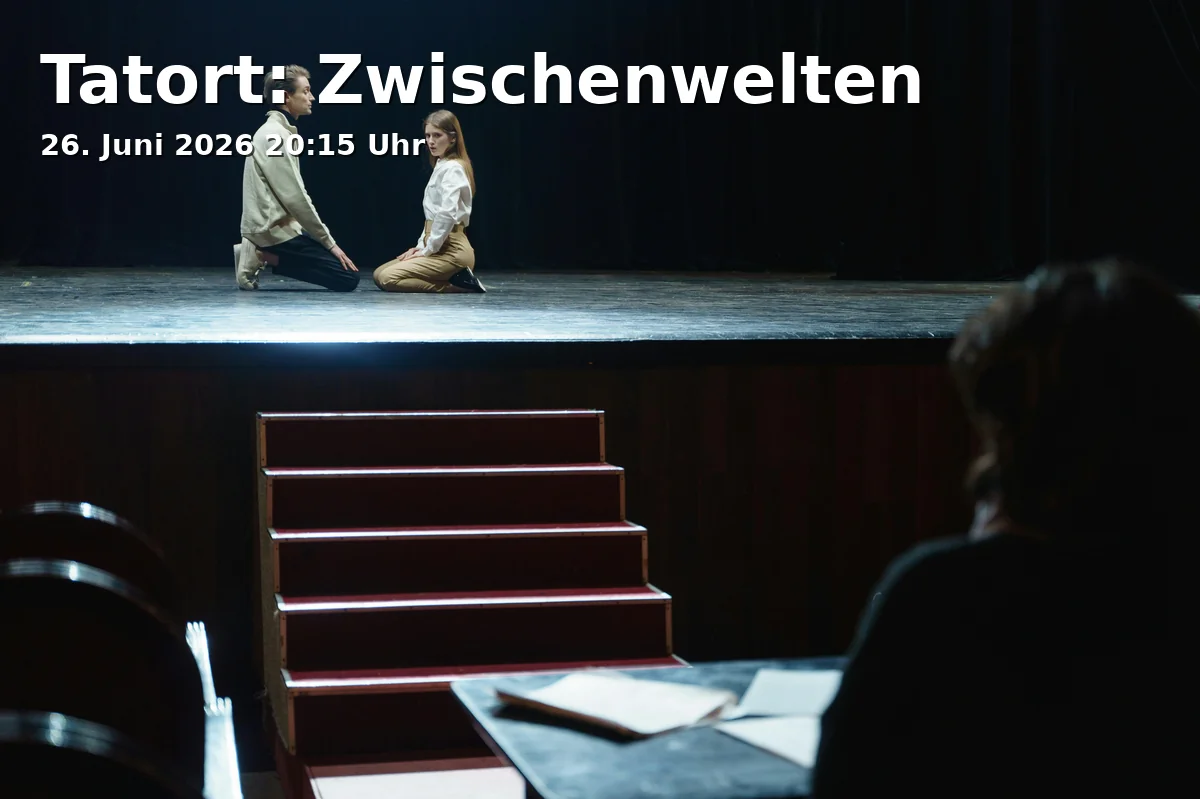
Crime Scene: Between Worlds
A gripping Crime Scene evening in the heart of Munich: new investigative dynamics, festival atmosphere, and strong suspense. On 26.06.2026 from 20:15, tickets from 15 €. #FilmfestMunich
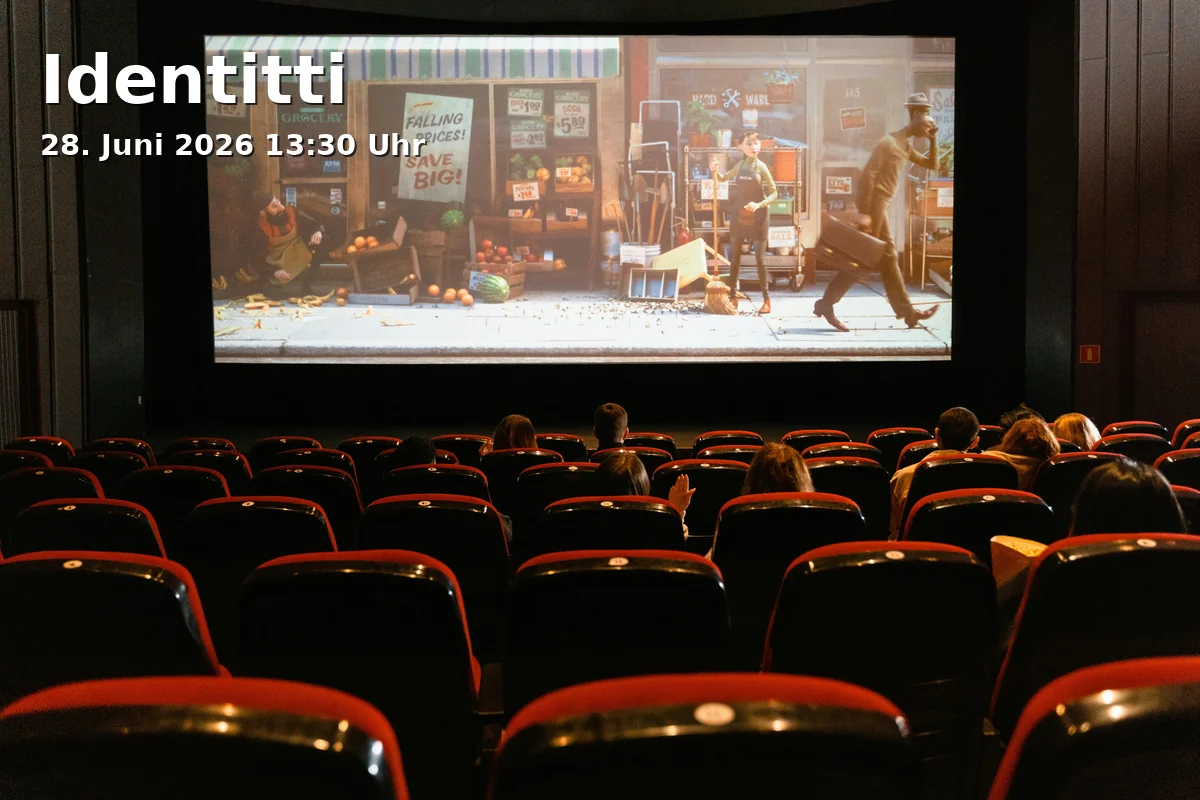
Identitti
Identitti brings festival flair, debate, and strong images to Munich. On 28.06.2026 at HFF: cinema that resonates. #FilmfestMünchen
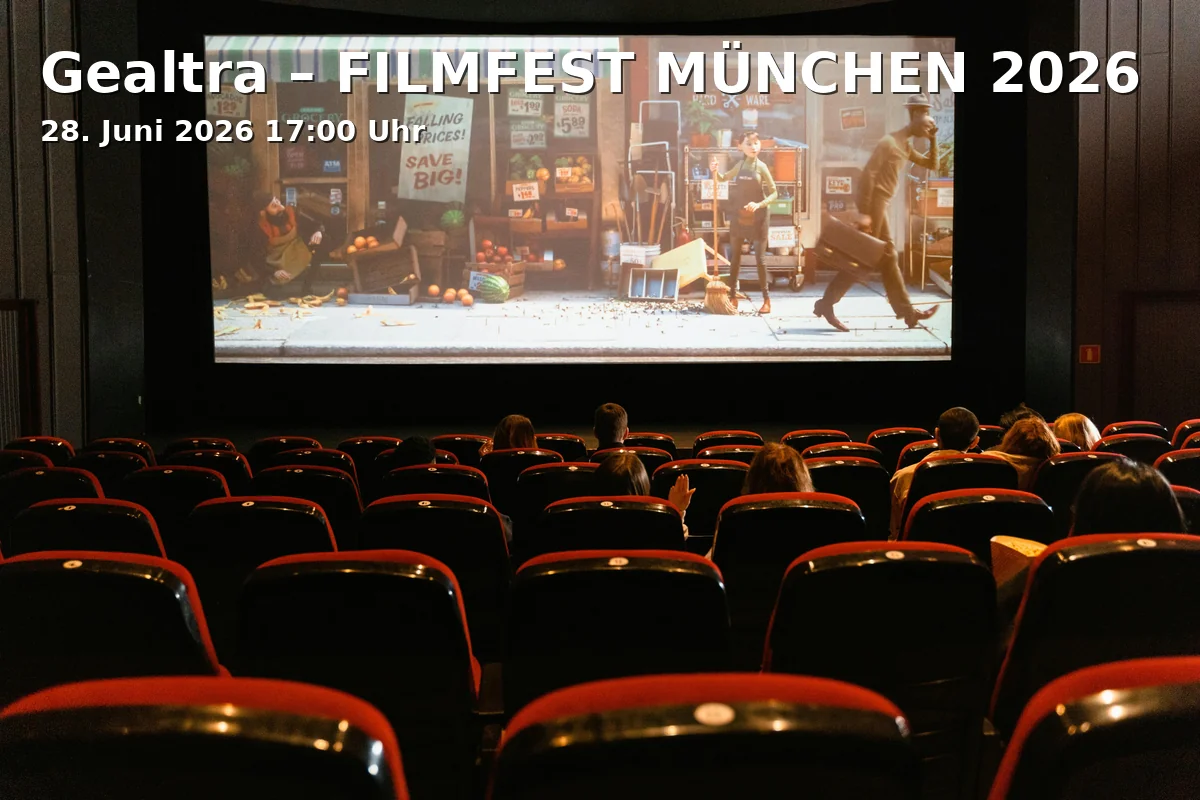
Gealtra – FILMFEST MÜNCHEN 2026
A special festival moment in Munich: Gealtra in Cinema 2 of the HFF, internationally and compactly told. 28.06.2026, 5:00 PM. #FilmfestMunich
Beautiful Souls
Festival cinema with individuality: Beautiful Souls brings tragicomedy and Munich summer flair to HFF-Audimax. June 28, 2026, 5:45 PM. #FilmfestMünchen
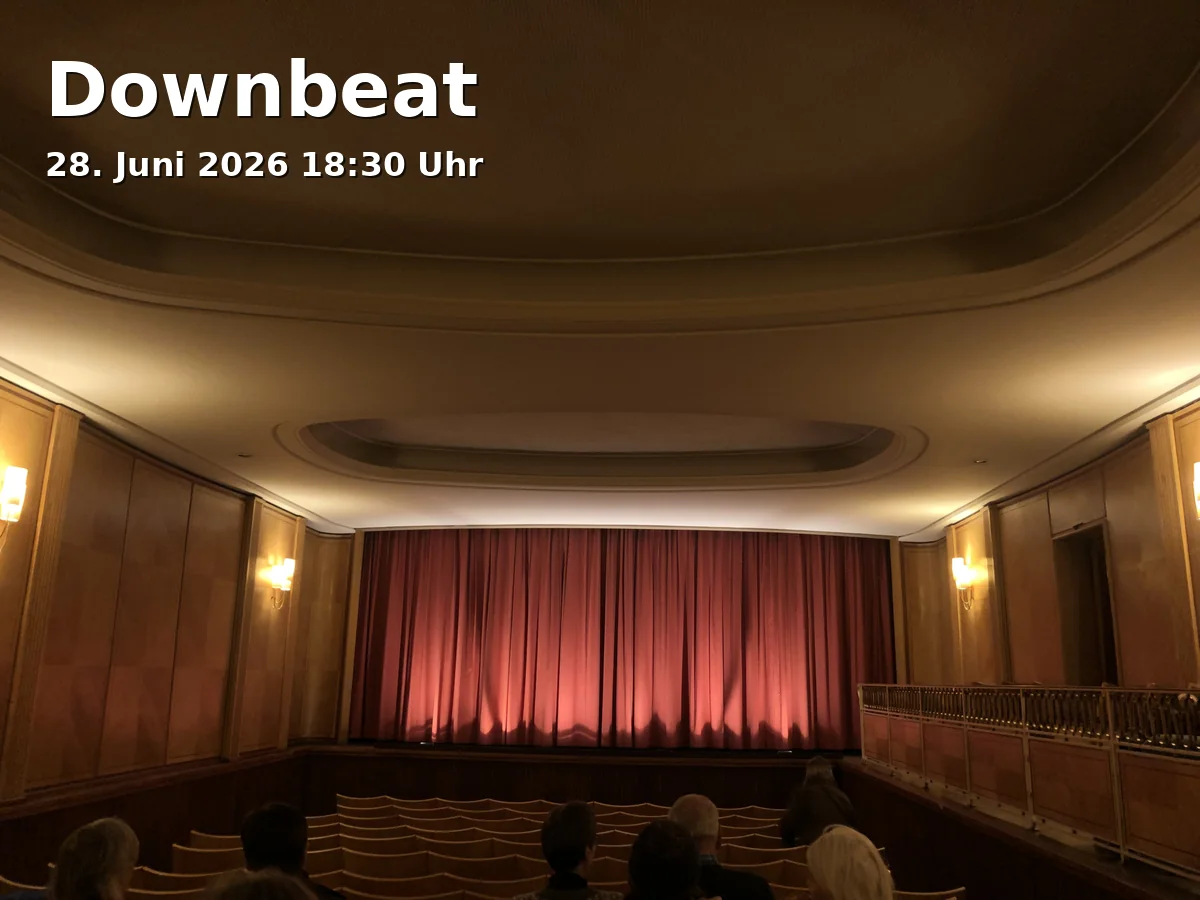
Downbeat
Festival feeling in Munich: Downbeat brings international independent cinema energy to the HFF. 28.06.2026, 18:30. Discover a special festival evening. #FilmfestMuenchen
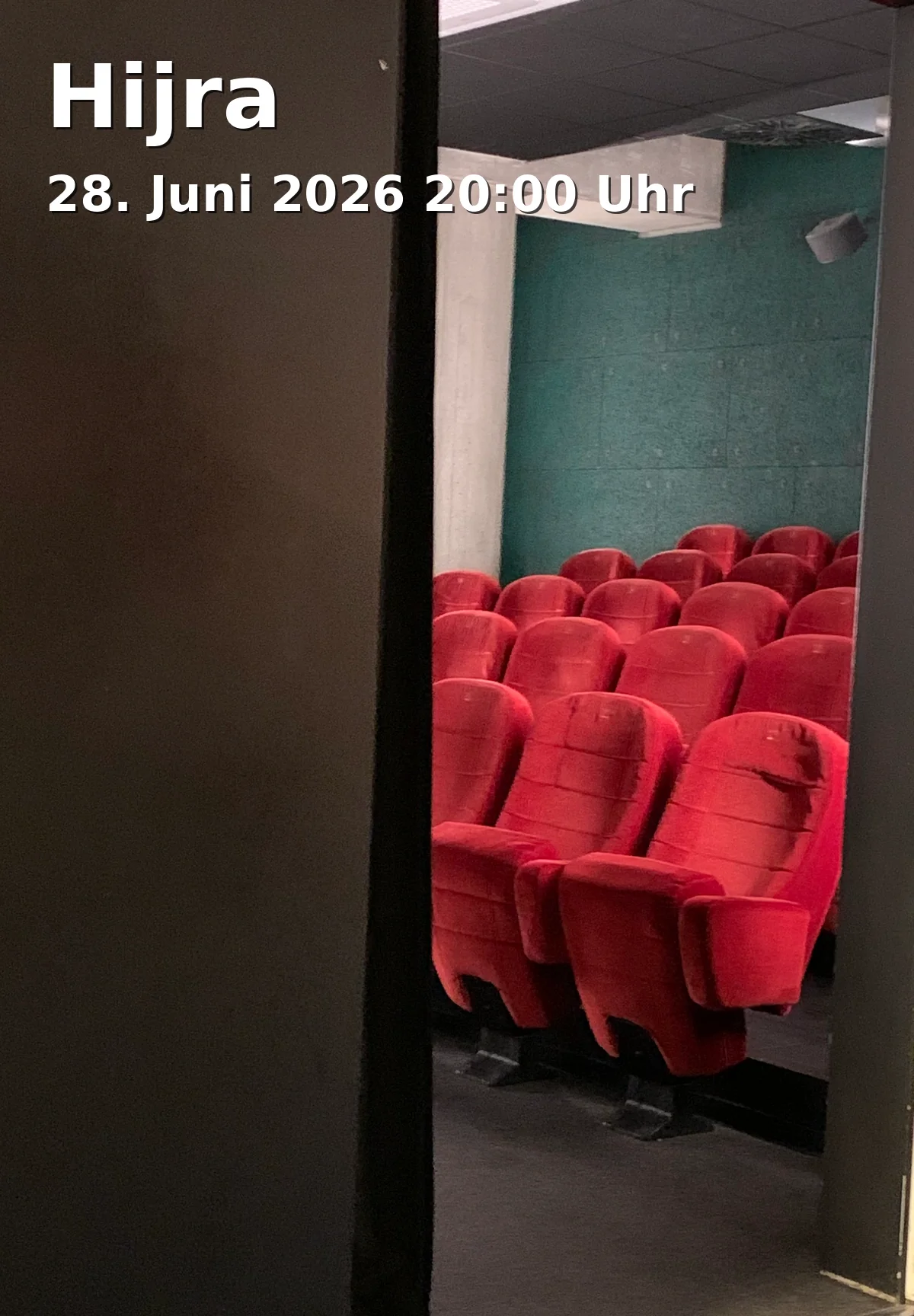
Hijra
Film festival moment in Munich: Hijra brings international festival cinema to HFF. June 28, 2026, from 12 Euro. Secure your seats now! #FilmfestMuenchen
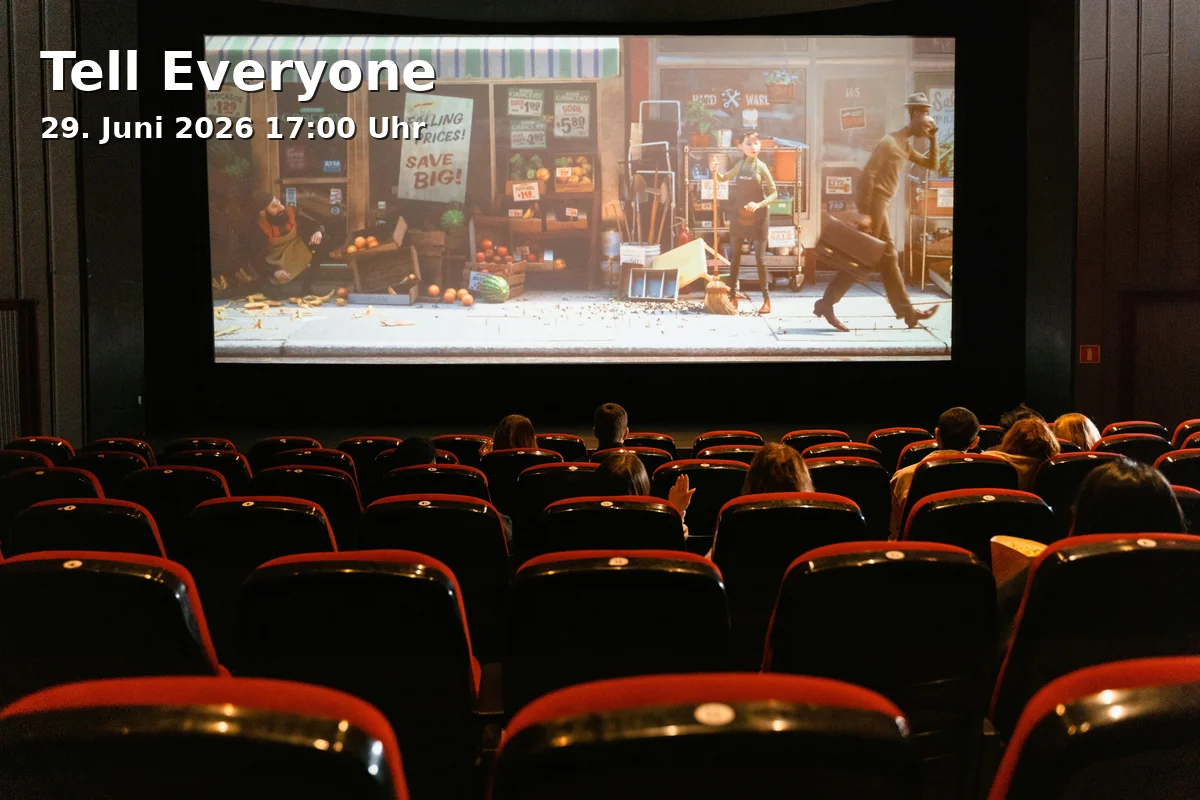
Tell Everyone
A strong festival moment in Munich: Tell Everyone is shown in cinema 2 of HFF Munich. On 29.06.2026, international cinema meets real summer festival atmosphere. #FILMFESTMÜNCHEN
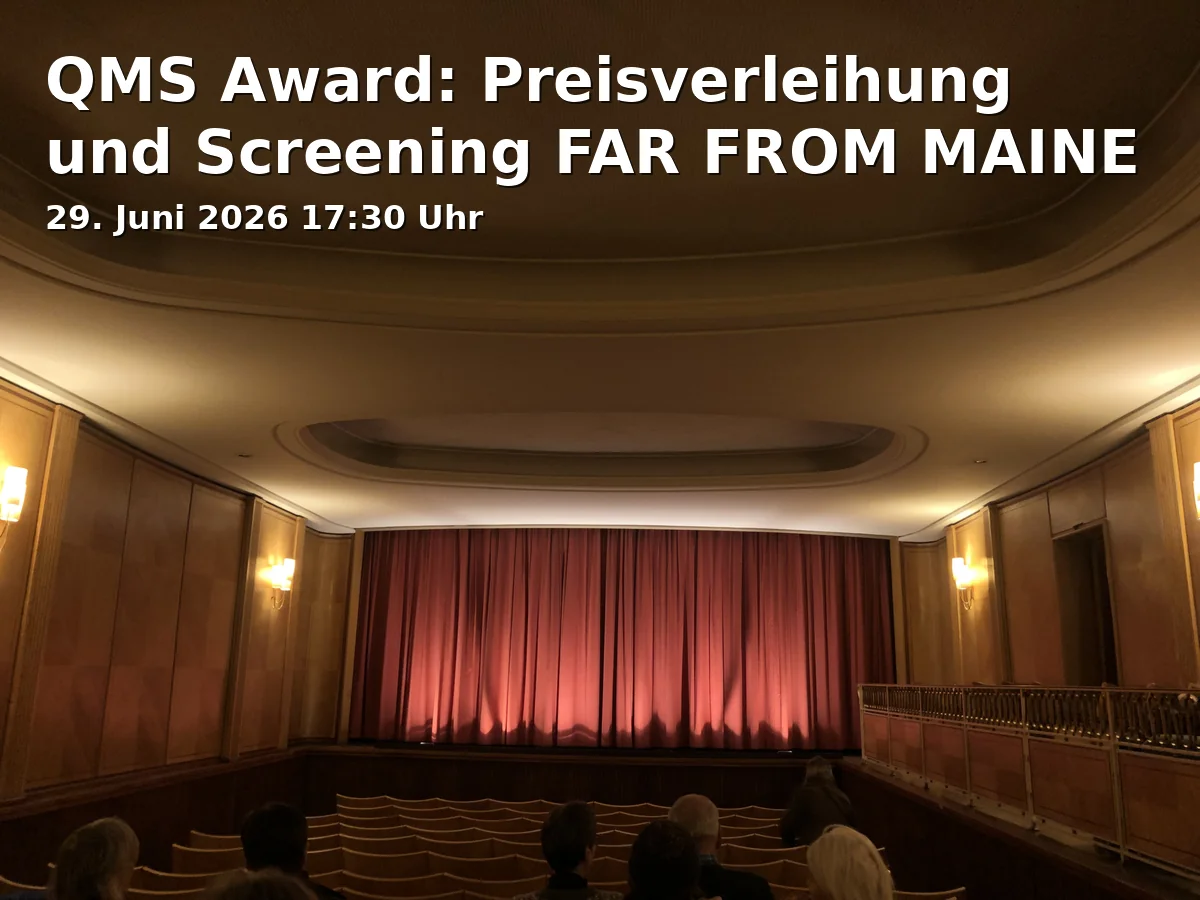
QMS Award: Award Ceremony and Screening FAR FROM MAINE
A festival evening with attitude: Award ceremony and screening of FAR FROM MAINE at HFF Munich. Queer cinema, strong images, real tension. #FilmfestMunich
The Swimmers
Festival cinema with suspense at HFF Munich: The Swimmers brings international atmosphere, strong visuals, and Munich summer energy to the screen. #FilmFestMünchen
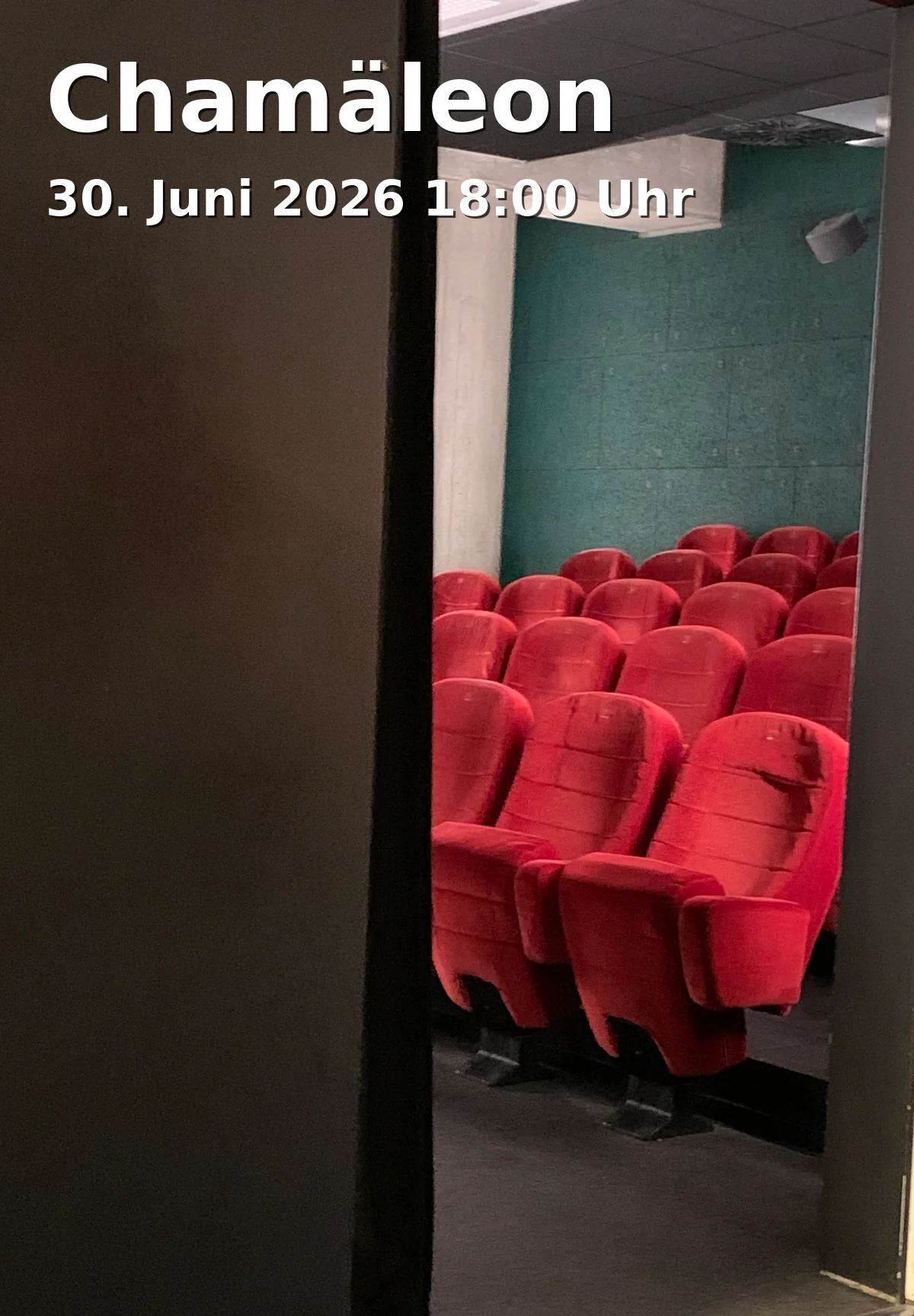
Chameleon
An evening full of festival feeling in Munich: Chameleon in the Audimax of HFF Munich connects cinema, excitement, and premiere flair. 30.06.2026, 18:00. #FilmfestMünchen
Frequently Asked Questions
Reviews
No reviews found