
München
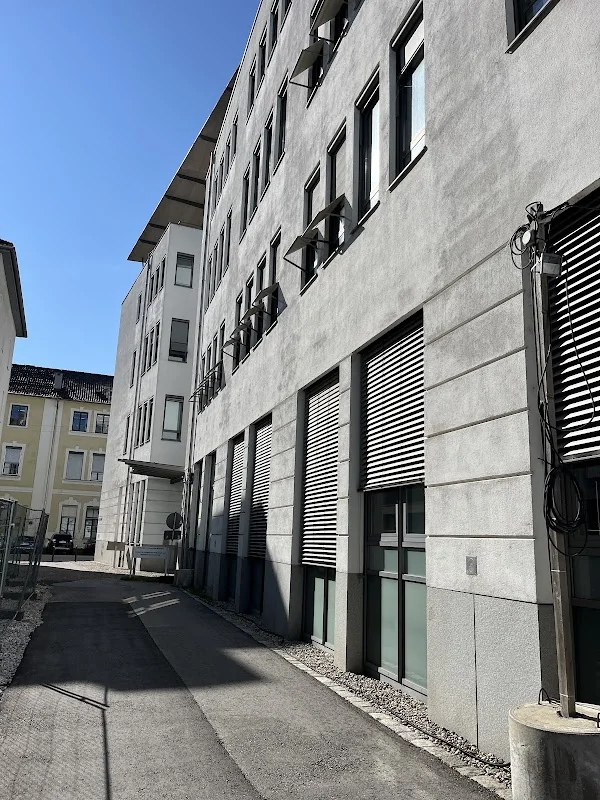
Trogerstraße 18, 81675 München-Au-Haidhausen, Deutschland
Institute of Pathology | Munich & Cytology
The Institute of Pathology at the Technical University of Munich is located at Klinikum rechts der Isar at Trogerstraße 18 in Munich and is part of the university facilities that closely integrate diagnostics, research, and teaching. Those looking for an institute of pathology in Munich will find here not a classic solo practice, but a highly specialized academic location where disease patterns are precisely analyzed microscopically, cell biologically, and molecularly. Pathology is not viewed as a field on the fringes of medicine, but as a central component of modern patient care: it provides the foundation for classifying tumors, coordinating therapies, and objectively assessing progress. The institute describes its work as both clinical and research-oriented and emphasizes the role of pathology as a leading discipline in personalized medicine. Additionally, it has been accredited by DAkkS since 2005 and operates under a standardized quality framework. This combination of academic depth, diagnostic breadth, and high-quality discipline makes the location particularly relevant for senders, patients, and medical professionals. ([pm.mh.tum.de](https://www.pm.mh.tum.de/path/ueber-uns/))
Histology, Cytology, and Molecular Pathology at the Center
The diagnostic breadth of the institute is one of its most important features. Officially, it covers the entire field of histopathology, cytopathology, molecular pathology, and autopsy pathology. Additionally, immunohistology, neuropathology, and other specialty areas are part of the daily diagnostics. This is particularly important for search intents related to pathology and cytology, as not just a single testing method is offered, but a complete spectrum of modern pathological methods. In histology, biopsies and surgical specimens are processed, including numerous histochemical special stains and large area sections. Bone tissue is prepared using various decalcification techniques. For urgent samples, priority processing is available; typically, corresponding findings can be communicated on the same day or at the latest by the morning of the following day. Additionally, a rapid section service is available from Monday to Friday between 8 AM and 4 PM. The histological entry laboratory employs 12 technical staff, underscoring the organizational depth of the location. For medical senders, this means reliable, methodically sophisticated processing of tissue samples, for patients a precise diagnostic basis, and for treating teams a secure foundation for therapy decisions. ([pm.mh.tum.de](https://www.pm.mh.tum.de/path/diagnostische-leistungen/))
Cytology is also not just a term at the institute, but is firmly anchored in the service spectrum as part of the regular routine. This is particularly relevant for inquiries with the search pattern Institute for Pathology and Cytology, as cytopathology and molecular diagnostics converge here in a comprehensive university concept. In practice, this means that cell material from various medical contexts can be assessed just like tissue samples, and both levels are supplemented by modern molecular methods when necessary. The institute explicitly mentions the application of molecular methods and new technologies for biomarker analytics at the DNA, RNA, and protein levels. A central focus is on molecular response prediction in the context of tumor therapies. This work goes far beyond mere report description. It addresses the question of what biological properties a tumor possesses, how it is likely to behave, and which treatment paths are sensible. For users searching for pathology Munich, histology, or molecular pathology, this connection between classical microscopy, cytology, and molecular precision is the decisive added value of this location. ([pm.mh.tum.de](https://www.pm.mh.tum.de/path/diagnostische-leistungen/))
Diagnostics for Tumor Boards, Senders, and Clinical Decisions
The institute is not just a laboratory for individual findings, but is firmly integrated into the clinical decision-making structure. According to its official representation, it is involved in more than 20 interdisciplinary tumor boards at the location and brings its expertise directly into patient treatment every day. This is exactly what makes pathology in university medicine so valuable: it not only provides a name for a disease pattern but also places it in a clinical context. On the information page for patients, this is illustrated with a concrete example: after a colon cancer operation, factors such as extent, malignancy, margin status, invasion depth, and lymph node involvement are assessed. Such information determines whether therapy will be continued in an observational, supplementary, or intensified manner. The pathologist is thus an integral part of the interdisciplinary team. Furthermore, the institute in Munich serves not only all departments of the Klinikum rechts der Isar but also the German Heart Center Munich as well as individual external hospitals and private practitioners. This enhances the significance of the location as a diagnostic hub and explains why search queries like diagnostic services or Institute for Pathology Munich are so strongly aimed at this university context. ([pm.mh.tum.de](https://www.pm.mh.tum.de/path/diagnostische-leistungen/))
In addition, the special role of autopsy and quality assurance is highlighted. On the patient side, the institute describes autopsies as a means of accurately determining underlying and consequential diseases as well as the cause of death. At the same time, they serve medical self-control, education, information about disease courses, and the recognition of occupational diseases, environmental diseases, or previously unclear disease patterns. This perspective shows how pathology extends beyond immediate treatment: it improves long-term medical quality, fosters understanding of disease mechanisms, and contributes to the advancement of care. For senders, standardized diagnostic collaboration is crucial. The institute offers information for senders, submission forms, and defined processes, which are essential in a highly specialized clinical environment. The combination of diagnostic breadth, interdisciplinarity, and structured communication makes the location a reliable point of contact for pathology, cytology, and molecular supplementary examinations. ([pm.mh.tum.de](https://www.pm.mh.tum.de/path/patienteninformation/was-ist-pathologie/))
Directions, Location, and Parking at Klinikum rechts der Isar
For those wishing to visit the institute in person, it is located at Trogerstraße 18, 81675 Munich. In the TUM navigation, the building is designated as Trogerstr. 18, Pathology, Building 538. This is practical as it allows for better orientation on the grounds of Klinikum rechts der Isar. For public transport, the hospital recommends taking the subway to Max-Weber-Platz; lines U4 and U5 stop there. From Munich Central Station, it is four stops to Max-Weber-Platz, and from Ostbahnhof, one stop on the U5. Additionally, there are tram and bus connections to Max-Weber-Platz, making the location very well connected within the city. This is often the less stressful solution for patients and senders, as the parking situation around the hospital is described as tense. However, for those arriving by car, the limited parking options should be considered. At the main entrance of the hospital, there are 16 paid parking spaces, the first 30 minutes of which are free and can only be paid cashless. On Trogerstraße, north of the emergency room, there are five free disabled parking spaces available. Additionally, nearby parking garages such as Hofbräukeller, Gasteig, City Hilton, and Kaufring are mentioned. For a medical facility in downtown Munich, this is an important practical factor that seekers often expect when searching for terms like directions and parking. ([nav.tum.de](https://nav.tum.de/view/1538))
Good accessibility is further supported by clear signage at the hospital and the house's proximity to central public transport hubs. For international patients, the hospital even refers to arriving by plane via Munich Airport, which can be reached by S-Bahn and subway in about 45 minutes. For pathology, the location at Max-Weber-Platz is not only a logistical advantage but also an expression of the close connection with the rest of the university hospital. The official location description of the institute also emphasizes the site on the grounds of Klinikum rechts der Isar. Therefore, anyone searching for Trogerstraße 18, Pathology, or Klinikum rechts der Isar will end up at a scientifically and medically well-networked place with clear infrastructure. For SEO, this mix of address, subway connection, and practical parking information is crucial, as users in such search queries usually expect quick concrete orientation. ([pm.mh.tum.de](https://www.pm.mh.tum.de/path/ueber-uns/lage-des-instituts/))
History, Accreditation, and Quality Management
The history of the institute dates back a long way and is closely linked to the development of the hospital rechts der Isar and later the Technical University of Munich. As early as 1875, the hospital received a new morgue; the sections were initially performed by departmental assistants and between 1895 and 1899 by Hermann Dürck on a part-time basis. In 1900, Eugen Albrecht became the first full-time prosector, under whose leadership a small, modern institute for its time was established. Ludwig Burkhard followed in 1955, and in 1967, Klinikum rechts der Isar became a university hospital of TUM under the medical director Georg Maurer. As part of this development, the Institute of Pathology was integrated as an independent chair into the Technical University of Munich. In 1968, Wolfgang Gössner became the first ordinarius and director. Under Heinz Höfler, who led the institute from 1989 to 2015, pathology moved into one of the most modern pathology buildings of its time on the campus of Klinikum rechts der Isar in 1999. This historical line explains why the location today is so strongly characterized by scientific continuity, clinical relevance, and technical modernization. ([pm.mh.tum.de](https://www.pm.mh.tum.de/path/ueber-uns/geschichte-des-instituts/))
Quality management also holds significant weight at the institute. Since 2005, pathology has been accredited by the German Accreditation Body and commits to regular quality checks according to DIN EN ISO/IEC 17020. This is central for a diagnostic institute, as not only scientific work is conducted here, but findings also influence medical decisions. According to historical representation, the current management focuses on translational morphomolecular tumor pathology, the expansion of the biobank, experimental comparative pathology, and a modern diagnostic molecular pathology unit. This development clearly shows that the institute does not settle for classical routine diagnostics but is structurally oriented towards the connection of clinical care, standardization, and innovation. This combination is a strong quality and trust signal for all those searching for an institute of pathology in Munich who value traceable processes, scientific depth, and reproducible diagnostics. ([pm.mh.tum.de](https://www.pm.mh.tum.de/path/ueber-uns/geschichte-des-instituts/))
Research, Teaching, and Translation between Laboratory and Clinic
As a university institute, research is a core component of the work. Officially, the institute researches the molecular and cell biological foundations of cancer development. Central goals include a better understanding of tumorigenesis and the improvement of tumor diagnostics and therapeutic options through refined morphomolecular analysis. Thematic focuses lie in gastrointestinal and hepatopancreatic pathology, sarcoma pathology, head and neck pathology, and neuropathology. Particularly important is the use of modern molecular methods and new technologies for biomarker analytics at the paraffin tissue level, i.e., at the DNA, RNA, and protein levels. Additional research fields include computational pathology, omics technologies, imaging with mass spectrometry, and molecular response prediction. This shows how strongly the location is anchored in translational medicine: insights from the laboratory should improve clinical therapy, and clinical questions, in turn, drive research forward. For users who understand pathology not just as diagnostics but as an innovation driver, this is an important aspect of the location's quality. ([pm.mh.tum.de](https://www.pm.mh.tum.de/path/forschung/))
The institute also plays a clear role in teaching. It is responsible for broad education, training, and continuing education in the field of pathology and offers lectures such as Molecular Pathology and Organ-Specific Molecular Carcinogenesis. These courses are aimed at students of medicine and natural sciences, including biochemistry, biology, and molecular biotechnology. The content addresses molecular foundations of cancer research, modern investigation techniques, tumor models, and organ-related carcinogenesis. According to the teaching page, the events will take place in the summer semester of 2026 in person, via Zoom, or as digital recordings; they are also integrated into TUM-Online and Moodle. Particularly noteworthy is the bridging function between the TUM School of Medicine and Health and the TUM School of Life Sciences. This underscores the breadth of scientific embedding and makes the location relevant not only for clinical care but also for academic training and nurturing young talent. Therefore, those searching for the Institute of Pathology Munich will find not only diagnostics but also a teaching and research institution with a strong translational focus. ([pm.mh.tum.de](https://www.pm.mh.tum.de/path/lehre/lehrveranstaltungen/molekulare-pathologie-und-organspezifische-molekulare-karzinogenese/))
What Pathology Means Practically in Munich
Pathology is very consciously understood at the institute as a key medical science. On the information page for patients, it is described that pathologists do not stand in the spotlight after treatment but provide the findings that are crucial for further therapy. Through concrete examples, the institute shows how tumor extent, malignancy, margin status, or lymph node involvement are assessed. This makes pathology tangible for those affected: it is the discipline that translates medical uncertainty into reliable facts. This is also important for the search intent behind terms like Pathology Munich, Histology, or Cytology, as there is often a desire for orientation, diagnostic certainty, and understandable classification. The institute also explains that modern pathology seeks causes of many diseases with state-of-the-art molecular examination methods to improve diagnosis and treatment. Thus, pathology is not only a companion to therapy but an active part of its management. Anyone searching for an institute of pathology in Munich should be aware of this connection: it is a field that secures clinical decisions, shapes therapy paths, and makes medical precision visible. ([pm.mh.tum.de](https://www.pm.mh.tum.de/path/patienteninformation/was-ist-pathologie/))
For senders and professional colleagues, practical organization is also important. The institute refers to information for senders, standardized forms, and clear communication channels for inquiries and quality management. In the histological entry laboratory, urgent samples are prioritized, and the opening hours from Monday to Friday between 8 AM and 4 PM make processes predictable. This is particularly relevant when findings are needed quickly, for example, for surgical decisions or tumor boards. Together with the accreditation, the broad diagnostic setup, and the close clinical integration, this creates a location profile that combines professional depth with pragmatic reliability. Therefore, those looking for not just an institute for pathology in Munich, but a modern facility with cytology, molecular pathology, histology, research, teaching, and clear directions will find one of the most interconnected pathological addresses in the city at TUM Klinikum rechts der Isar. ([pm.mh.tum.de](https://www.pm.mh.tum.de/path/diagnostische-leistungen/informationen-fuer-einsender/))
Sources:
- Institute of Pathology – Location of the Institute ([pm.mh.tum.de](https://www.pm.mh.tum.de/path/ueber-uns/lage-des-instituts/))
- Institute of Pathology – History of the Institute ([pm.mh.tum.de](https://www.pm.mh.tum.de/path/ueber-uns/))
- TUM Klinikum Rechts der Isar – Directions ([mri.tum.de](https://mri.tum.de/de/Patienten-und-Besucher/Anfahrt))
- Institute of Pathology – Diagnostic Services ([pm.mh.tum.de](https://www.pm.mh.tum.de/path/diagnostische-leistungen/))
- Institute of Pathology – Research ([pm.mh.tum.de](https://www.pm.mh.tum.de/path/forschung/))
- Institute of Pathology – Teaching Molecular Pathology and Organ-Specific Molecular Carcinogenesis ([pm.mh.tum.de](https://www.pm.mh.tum.de/path/lehre/lehrveranstaltungen/molekulare-pathologie-und-organspezifische-molekulare-karzinogenese/))
- Institute of Pathology – What is Pathology? ([pm.mh.tum.de](https://www.pm.mh.tum.de/path/patienteninformation/was-ist-pathologie/))
Mehr anzeigenWeniger anzeigen
Institute of Pathology | Munich & Cytology
The Institute of Pathology at the Technical University of Munich is located at Klinikum rechts der Isar at Trogerstraße 18 in Munich and is part of the university facilities that closely integrate diagnostics, research, and teaching. Those looking for an institute of pathology in Munich will find here not a classic solo practice, but a highly specialized academic location where disease patterns are precisely analyzed microscopically, cell biologically, and molecularly. Pathology is not viewed as a field on the fringes of medicine, but as a central component of modern patient care: it provides the foundation for classifying tumors, coordinating therapies, and objectively assessing progress. The institute describes its work as both clinical and research-oriented and emphasizes the role of pathology as a leading discipline in personalized medicine. Additionally, it has been accredited by DAkkS since 2005 and operates under a standardized quality framework. This combination of academic depth, diagnostic breadth, and high-quality discipline makes the location particularly relevant for senders, patients, and medical professionals. ([pm.mh.tum.de](https://www.pm.mh.tum.de/path/ueber-uns/))
Histology, Cytology, and Molecular Pathology at the Center
The diagnostic breadth of the institute is one of its most important features. Officially, it covers the entire field of histopathology, cytopathology, molecular pathology, and autopsy pathology. Additionally, immunohistology, neuropathology, and other specialty areas are part of the daily diagnostics. This is particularly important for search intents related to pathology and cytology, as not just a single testing method is offered, but a complete spectrum of modern pathological methods. In histology, biopsies and surgical specimens are processed, including numerous histochemical special stains and large area sections. Bone tissue is prepared using various decalcification techniques. For urgent samples, priority processing is available; typically, corresponding findings can be communicated on the same day or at the latest by the morning of the following day. Additionally, a rapid section service is available from Monday to Friday between 8 AM and 4 PM. The histological entry laboratory employs 12 technical staff, underscoring the organizational depth of the location. For medical senders, this means reliable, methodically sophisticated processing of tissue samples, for patients a precise diagnostic basis, and for treating teams a secure foundation for therapy decisions. ([pm.mh.tum.de](https://www.pm.mh.tum.de/path/diagnostische-leistungen/))
Cytology is also not just a term at the institute, but is firmly anchored in the service spectrum as part of the regular routine. This is particularly relevant for inquiries with the search pattern Institute for Pathology and Cytology, as cytopathology and molecular diagnostics converge here in a comprehensive university concept. In practice, this means that cell material from various medical contexts can be assessed just like tissue samples, and both levels are supplemented by modern molecular methods when necessary. The institute explicitly mentions the application of molecular methods and new technologies for biomarker analytics at the DNA, RNA, and protein levels. A central focus is on molecular response prediction in the context of tumor therapies. This work goes far beyond mere report description. It addresses the question of what biological properties a tumor possesses, how it is likely to behave, and which treatment paths are sensible. For users searching for pathology Munich, histology, or molecular pathology, this connection between classical microscopy, cytology, and molecular precision is the decisive added value of this location. ([pm.mh.tum.de](https://www.pm.mh.tum.de/path/diagnostische-leistungen/))
Diagnostics for Tumor Boards, Senders, and Clinical Decisions
The institute is not just a laboratory for individual findings, but is firmly integrated into the clinical decision-making structure. According to its official representation, it is involved in more than 20 interdisciplinary tumor boards at the location and brings its expertise directly into patient treatment every day. This is exactly what makes pathology in university medicine so valuable: it not only provides a name for a disease pattern but also places it in a clinical context. On the information page for patients, this is illustrated with a concrete example: after a colon cancer operation, factors such as extent, malignancy, margin status, invasion depth, and lymph node involvement are assessed. Such information determines whether therapy will be continued in an observational, supplementary, or intensified manner. The pathologist is thus an integral part of the interdisciplinary team. Furthermore, the institute in Munich serves not only all departments of the Klinikum rechts der Isar but also the German Heart Center Munich as well as individual external hospitals and private practitioners. This enhances the significance of the location as a diagnostic hub and explains why search queries like diagnostic services or Institute for Pathology Munich are so strongly aimed at this university context. ([pm.mh.tum.de](https://www.pm.mh.tum.de/path/diagnostische-leistungen/))
In addition, the special role of autopsy and quality assurance is highlighted. On the patient side, the institute describes autopsies as a means of accurately determining underlying and consequential diseases as well as the cause of death. At the same time, they serve medical self-control, education, information about disease courses, and the recognition of occupational diseases, environmental diseases, or previously unclear disease patterns. This perspective shows how pathology extends beyond immediate treatment: it improves long-term medical quality, fosters understanding of disease mechanisms, and contributes to the advancement of care. For senders, standardized diagnostic collaboration is crucial. The institute offers information for senders, submission forms, and defined processes, which are essential in a highly specialized clinical environment. The combination of diagnostic breadth, interdisciplinarity, and structured communication makes the location a reliable point of contact for pathology, cytology, and molecular supplementary examinations. ([pm.mh.tum.de](https://www.pm.mh.tum.de/path/patienteninformation/was-ist-pathologie/))
Directions, Location, and Parking at Klinikum rechts der Isar
For those wishing to visit the institute in person, it is located at Trogerstraße 18, 81675 Munich. In the TUM navigation, the building is designated as Trogerstr. 18, Pathology, Building 538. This is practical as it allows for better orientation on the grounds of Klinikum rechts der Isar. For public transport, the hospital recommends taking the subway to Max-Weber-Platz; lines U4 and U5 stop there. From Munich Central Station, it is four stops to Max-Weber-Platz, and from Ostbahnhof, one stop on the U5. Additionally, there are tram and bus connections to Max-Weber-Platz, making the location very well connected within the city. This is often the less stressful solution for patients and senders, as the parking situation around the hospital is described as tense. However, for those arriving by car, the limited parking options should be considered. At the main entrance of the hospital, there are 16 paid parking spaces, the first 30 minutes of which are free and can only be paid cashless. On Trogerstraße, north of the emergency room, there are five free disabled parking spaces available. Additionally, nearby parking garages such as Hofbräukeller, Gasteig, City Hilton, and Kaufring are mentioned. For a medical facility in downtown Munich, this is an important practical factor that seekers often expect when searching for terms like directions and parking. ([nav.tum.de](https://nav.tum.de/view/1538))
Good accessibility is further supported by clear signage at the hospital and the house's proximity to central public transport hubs. For international patients, the hospital even refers to arriving by plane via Munich Airport, which can be reached by S-Bahn and subway in about 45 minutes. For pathology, the location at Max-Weber-Platz is not only a logistical advantage but also an expression of the close connection with the rest of the university hospital. The official location description of the institute also emphasizes the site on the grounds of Klinikum rechts der Isar. Therefore, anyone searching for Trogerstraße 18, Pathology, or Klinikum rechts der Isar will end up at a scientifically and medically well-networked place with clear infrastructure. For SEO, this mix of address, subway connection, and practical parking information is crucial, as users in such search queries usually expect quick concrete orientation. ([pm.mh.tum.de](https://www.pm.mh.tum.de/path/ueber-uns/lage-des-instituts/))
History, Accreditation, and Quality Management
The history of the institute dates back a long way and is closely linked to the development of the hospital rechts der Isar and later the Technical University of Munich. As early as 1875, the hospital received a new morgue; the sections were initially performed by departmental assistants and between 1895 and 1899 by Hermann Dürck on a part-time basis. In 1900, Eugen Albrecht became the first full-time prosector, under whose leadership a small, modern institute for its time was established. Ludwig Burkhard followed in 1955, and in 1967, Klinikum rechts der Isar became a university hospital of TUM under the medical director Georg Maurer. As part of this development, the Institute of Pathology was integrated as an independent chair into the Technical University of Munich. In 1968, Wolfgang Gössner became the first ordinarius and director. Under Heinz Höfler, who led the institute from 1989 to 2015, pathology moved into one of the most modern pathology buildings of its time on the campus of Klinikum rechts der Isar in 1999. This historical line explains why the location today is so strongly characterized by scientific continuity, clinical relevance, and technical modernization. ([pm.mh.tum.de](https://www.pm.mh.tum.de/path/ueber-uns/geschichte-des-instituts/))
Quality management also holds significant weight at the institute. Since 2005, pathology has been accredited by the German Accreditation Body and commits to regular quality checks according to DIN EN ISO/IEC 17020. This is central for a diagnostic institute, as not only scientific work is conducted here, but findings also influence medical decisions. According to historical representation, the current management focuses on translational morphomolecular tumor pathology, the expansion of the biobank, experimental comparative pathology, and a modern diagnostic molecular pathology unit. This development clearly shows that the institute does not settle for classical routine diagnostics but is structurally oriented towards the connection of clinical care, standardization, and innovation. This combination is a strong quality and trust signal for all those searching for an institute of pathology in Munich who value traceable processes, scientific depth, and reproducible diagnostics. ([pm.mh.tum.de](https://www.pm.mh.tum.de/path/ueber-uns/geschichte-des-instituts/))
Research, Teaching, and Translation between Laboratory and Clinic
As a university institute, research is a core component of the work. Officially, the institute researches the molecular and cell biological foundations of cancer development. Central goals include a better understanding of tumorigenesis and the improvement of tumor diagnostics and therapeutic options through refined morphomolecular analysis. Thematic focuses lie in gastrointestinal and hepatopancreatic pathology, sarcoma pathology, head and neck pathology, and neuropathology. Particularly important is the use of modern molecular methods and new technologies for biomarker analytics at the paraffin tissue level, i.e., at the DNA, RNA, and protein levels. Additional research fields include computational pathology, omics technologies, imaging with mass spectrometry, and molecular response prediction. This shows how strongly the location is anchored in translational medicine: insights from the laboratory should improve clinical therapy, and clinical questions, in turn, drive research forward. For users who understand pathology not just as diagnostics but as an innovation driver, this is an important aspect of the location's quality. ([pm.mh.tum.de](https://www.pm.mh.tum.de/path/forschung/))
The institute also plays a clear role in teaching. It is responsible for broad education, training, and continuing education in the field of pathology and offers lectures such as Molecular Pathology and Organ-Specific Molecular Carcinogenesis. These courses are aimed at students of medicine and natural sciences, including biochemistry, biology, and molecular biotechnology. The content addresses molecular foundations of cancer research, modern investigation techniques, tumor models, and organ-related carcinogenesis. According to the teaching page, the events will take place in the summer semester of 2026 in person, via Zoom, or as digital recordings; they are also integrated into TUM-Online and Moodle. Particularly noteworthy is the bridging function between the TUM School of Medicine and Health and the TUM School of Life Sciences. This underscores the breadth of scientific embedding and makes the location relevant not only for clinical care but also for academic training and nurturing young talent. Therefore, those searching for the Institute of Pathology Munich will find not only diagnostics but also a teaching and research institution with a strong translational focus. ([pm.mh.tum.de](https://www.pm.mh.tum.de/path/lehre/lehrveranstaltungen/molekulare-pathologie-und-organspezifische-molekulare-karzinogenese/))
What Pathology Means Practically in Munich
Pathology is very consciously understood at the institute as a key medical science. On the information page for patients, it is described that pathologists do not stand in the spotlight after treatment but provide the findings that are crucial for further therapy. Through concrete examples, the institute shows how tumor extent, malignancy, margin status, or lymph node involvement are assessed. This makes pathology tangible for those affected: it is the discipline that translates medical uncertainty into reliable facts. This is also important for the search intent behind terms like Pathology Munich, Histology, or Cytology, as there is often a desire for orientation, diagnostic certainty, and understandable classification. The institute also explains that modern pathology seeks causes of many diseases with state-of-the-art molecular examination methods to improve diagnosis and treatment. Thus, pathology is not only a companion to therapy but an active part of its management. Anyone searching for an institute of pathology in Munich should be aware of this connection: it is a field that secures clinical decisions, shapes therapy paths, and makes medical precision visible. ([pm.mh.tum.de](https://www.pm.mh.tum.de/path/patienteninformation/was-ist-pathologie/))
For senders and professional colleagues, practical organization is also important. The institute refers to information for senders, standardized forms, and clear communication channels for inquiries and quality management. In the histological entry laboratory, urgent samples are prioritized, and the opening hours from Monday to Friday between 8 AM and 4 PM make processes predictable. This is particularly relevant when findings are needed quickly, for example, for surgical decisions or tumor boards. Together with the accreditation, the broad diagnostic setup, and the close clinical integration, this creates a location profile that combines professional depth with pragmatic reliability. Therefore, those looking for not just an institute for pathology in Munich, but a modern facility with cytology, molecular pathology, histology, research, teaching, and clear directions will find one of the most interconnected pathological addresses in the city at TUM Klinikum rechts der Isar. ([pm.mh.tum.de](https://www.pm.mh.tum.de/path/diagnostische-leistungen/informationen-fuer-einsender/))
Sources:
- Institute of Pathology – Location of the Institute ([pm.mh.tum.de](https://www.pm.mh.tum.de/path/ueber-uns/lage-des-instituts/))
- Institute of Pathology – History of the Institute ([pm.mh.tum.de](https://www.pm.mh.tum.de/path/ueber-uns/))
- TUM Klinikum Rechts der Isar – Directions ([mri.tum.de](https://mri.tum.de/de/Patienten-und-Besucher/Anfahrt))
- Institute of Pathology – Diagnostic Services ([pm.mh.tum.de](https://www.pm.mh.tum.de/path/diagnostische-leistungen/))
- Institute of Pathology – Research ([pm.mh.tum.de](https://www.pm.mh.tum.de/path/forschung/))
- Institute of Pathology – Teaching Molecular Pathology and Organ-Specific Molecular Carcinogenesis ([pm.mh.tum.de](https://www.pm.mh.tum.de/path/lehre/lehrveranstaltungen/molekulare-pathologie-und-organspezifische-molekulare-karzinogenese/))
- Institute of Pathology – What is Pathology? ([pm.mh.tum.de](https://www.pm.mh.tum.de/path/patienteninformation/was-ist-pathologie/))
Institute of Pathology | Munich & Cytology
The Institute of Pathology at the Technical University of Munich is located at Klinikum rechts der Isar at Trogerstraße 18 in Munich and is part of the university facilities that closely integrate diagnostics, research, and teaching. Those looking for an institute of pathology in Munich will find here not a classic solo practice, but a highly specialized academic location where disease patterns are precisely analyzed microscopically, cell biologically, and molecularly. Pathology is not viewed as a field on the fringes of medicine, but as a central component of modern patient care: it provides the foundation for classifying tumors, coordinating therapies, and objectively assessing progress. The institute describes its work as both clinical and research-oriented and emphasizes the role of pathology as a leading discipline in personalized medicine. Additionally, it has been accredited by DAkkS since 2005 and operates under a standardized quality framework. This combination of academic depth, diagnostic breadth, and high-quality discipline makes the location particularly relevant for senders, patients, and medical professionals. ([pm.mh.tum.de](https://www.pm.mh.tum.de/path/ueber-uns/))
Histology, Cytology, and Molecular Pathology at the Center
The diagnostic breadth of the institute is one of its most important features. Officially, it covers the entire field of histopathology, cytopathology, molecular pathology, and autopsy pathology. Additionally, immunohistology, neuropathology, and other specialty areas are part of the daily diagnostics. This is particularly important for search intents related to pathology and cytology, as not just a single testing method is offered, but a complete spectrum of modern pathological methods. In histology, biopsies and surgical specimens are processed, including numerous histochemical special stains and large area sections. Bone tissue is prepared using various decalcification techniques. For urgent samples, priority processing is available; typically, corresponding findings can be communicated on the same day or at the latest by the morning of the following day. Additionally, a rapid section service is available from Monday to Friday between 8 AM and 4 PM. The histological entry laboratory employs 12 technical staff, underscoring the organizational depth of the location. For medical senders, this means reliable, methodically sophisticated processing of tissue samples, for patients a precise diagnostic basis, and for treating teams a secure foundation for therapy decisions. ([pm.mh.tum.de](https://www.pm.mh.tum.de/path/diagnostische-leistungen/))
Cytology is also not just a term at the institute, but is firmly anchored in the service spectrum as part of the regular routine. This is particularly relevant for inquiries with the search pattern Institute for Pathology and Cytology, as cytopathology and molecular diagnostics converge here in a comprehensive university concept. In practice, this means that cell material from various medical contexts can be assessed just like tissue samples, and both levels are supplemented by modern molecular methods when necessary. The institute explicitly mentions the application of molecular methods and new technologies for biomarker analytics at the DNA, RNA, and protein levels. A central focus is on molecular response prediction in the context of tumor therapies. This work goes far beyond mere report description. It addresses the question of what biological properties a tumor possesses, how it is likely to behave, and which treatment paths are sensible. For users searching for pathology Munich, histology, or molecular pathology, this connection between classical microscopy, cytology, and molecular precision is the decisive added value of this location. ([pm.mh.tum.de](https://www.pm.mh.tum.de/path/diagnostische-leistungen/))
Diagnostics for Tumor Boards, Senders, and Clinical Decisions
The institute is not just a laboratory for individual findings, but is firmly integrated into the clinical decision-making structure. According to its official representation, it is involved in more than 20 interdisciplinary tumor boards at the location and brings its expertise directly into patient treatment every day. This is exactly what makes pathology in university medicine so valuable: it not only provides a name for a disease pattern but also places it in a clinical context. On the information page for patients, this is illustrated with a concrete example: after a colon cancer operation, factors such as extent, malignancy, margin status, invasion depth, and lymph node involvement are assessed. Such information determines whether therapy will be continued in an observational, supplementary, or intensified manner. The pathologist is thus an integral part of the interdisciplinary team. Furthermore, the institute in Munich serves not only all departments of the Klinikum rechts der Isar but also the German Heart Center Munich as well as individual external hospitals and private practitioners. This enhances the significance of the location as a diagnostic hub and explains why search queries like diagnostic services or Institute for Pathology Munich are so strongly aimed at this university context. ([pm.mh.tum.de](https://www.pm.mh.tum.de/path/diagnostische-leistungen/))
In addition, the special role of autopsy and quality assurance is highlighted. On the patient side, the institute describes autopsies as a means of accurately determining underlying and consequential diseases as well as the cause of death. At the same time, they serve medical self-control, education, information about disease courses, and the recognition of occupational diseases, environmental diseases, or previously unclear disease patterns. This perspective shows how pathology extends beyond immediate treatment: it improves long-term medical quality, fosters understanding of disease mechanisms, and contributes to the advancement of care. For senders, standardized diagnostic collaboration is crucial. The institute offers information for senders, submission forms, and defined processes, which are essential in a highly specialized clinical environment. The combination of diagnostic breadth, interdisciplinarity, and structured communication makes the location a reliable point of contact for pathology, cytology, and molecular supplementary examinations. ([pm.mh.tum.de](https://www.pm.mh.tum.de/path/patienteninformation/was-ist-pathologie/))
Directions, Location, and Parking at Klinikum rechts der Isar
For those wishing to visit the institute in person, it is located at Trogerstraße 18, 81675 Munich. In the TUM navigation, the building is designated as Trogerstr. 18, Pathology, Building 538. This is practical as it allows for better orientation on the grounds of Klinikum rechts der Isar. For public transport, the hospital recommends taking the subway to Max-Weber-Platz; lines U4 and U5 stop there. From Munich Central Station, it is four stops to Max-Weber-Platz, and from Ostbahnhof, one stop on the U5. Additionally, there are tram and bus connections to Max-Weber-Platz, making the location very well connected within the city. This is often the less stressful solution for patients and senders, as the parking situation around the hospital is described as tense. However, for those arriving by car, the limited parking options should be considered. At the main entrance of the hospital, there are 16 paid parking spaces, the first 30 minutes of which are free and can only be paid cashless. On Trogerstraße, north of the emergency room, there are five free disabled parking spaces available. Additionally, nearby parking garages such as Hofbräukeller, Gasteig, City Hilton, and Kaufring are mentioned. For a medical facility in downtown Munich, this is an important practical factor that seekers often expect when searching for terms like directions and parking. ([nav.tum.de](https://nav.tum.de/view/1538))
Good accessibility is further supported by clear signage at the hospital and the house's proximity to central public transport hubs. For international patients, the hospital even refers to arriving by plane via Munich Airport, which can be reached by S-Bahn and subway in about 45 minutes. For pathology, the location at Max-Weber-Platz is not only a logistical advantage but also an expression of the close connection with the rest of the university hospital. The official location description of the institute also emphasizes the site on the grounds of Klinikum rechts der Isar. Therefore, anyone searching for Trogerstraße 18, Pathology, or Klinikum rechts der Isar will end up at a scientifically and medically well-networked place with clear infrastructure. For SEO, this mix of address, subway connection, and practical parking information is crucial, as users in such search queries usually expect quick concrete orientation. ([pm.mh.tum.de](https://www.pm.mh.tum.de/path/ueber-uns/lage-des-instituts/))
History, Accreditation, and Quality Management
The history of the institute dates back a long way and is closely linked to the development of the hospital rechts der Isar and later the Technical University of Munich. As early as 1875, the hospital received a new morgue; the sections were initially performed by departmental assistants and between 1895 and 1899 by Hermann Dürck on a part-time basis. In 1900, Eugen Albrecht became the first full-time prosector, under whose leadership a small, modern institute for its time was established. Ludwig Burkhard followed in 1955, and in 1967, Klinikum rechts der Isar became a university hospital of TUM under the medical director Georg Maurer. As part of this development, the Institute of Pathology was integrated as an independent chair into the Technical University of Munich. In 1968, Wolfgang Gössner became the first ordinarius and director. Under Heinz Höfler, who led the institute from 1989 to 2015, pathology moved into one of the most modern pathology buildings of its time on the campus of Klinikum rechts der Isar in 1999. This historical line explains why the location today is so strongly characterized by scientific continuity, clinical relevance, and technical modernization. ([pm.mh.tum.de](https://www.pm.mh.tum.de/path/ueber-uns/geschichte-des-instituts/))
Quality management also holds significant weight at the institute. Since 2005, pathology has been accredited by the German Accreditation Body and commits to regular quality checks according to DIN EN ISO/IEC 17020. This is central for a diagnostic institute, as not only scientific work is conducted here, but findings also influence medical decisions. According to historical representation, the current management focuses on translational morphomolecular tumor pathology, the expansion of the biobank, experimental comparative pathology, and a modern diagnostic molecular pathology unit. This development clearly shows that the institute does not settle for classical routine diagnostics but is structurally oriented towards the connection of clinical care, standardization, and innovation. This combination is a strong quality and trust signal for all those searching for an institute of pathology in Munich who value traceable processes, scientific depth, and reproducible diagnostics. ([pm.mh.tum.de](https://www.pm.mh.tum.de/path/ueber-uns/geschichte-des-instituts/))
Research, Teaching, and Translation between Laboratory and Clinic
As a university institute, research is a core component of the work. Officially, the institute researches the molecular and cell biological foundations of cancer development. Central goals include a better understanding of tumorigenesis and the improvement of tumor diagnostics and therapeutic options through refined morphomolecular analysis. Thematic focuses lie in gastrointestinal and hepatopancreatic pathology, sarcoma pathology, head and neck pathology, and neuropathology. Particularly important is the use of modern molecular methods and new technologies for biomarker analytics at the paraffin tissue level, i.e., at the DNA, RNA, and protein levels. Additional research fields include computational pathology, omics technologies, imaging with mass spectrometry, and molecular response prediction. This shows how strongly the location is anchored in translational medicine: insights from the laboratory should improve clinical therapy, and clinical questions, in turn, drive research forward. For users who understand pathology not just as diagnostics but as an innovation driver, this is an important aspect of the location's quality. ([pm.mh.tum.de](https://www.pm.mh.tum.de/path/forschung/))
The institute also plays a clear role in teaching. It is responsible for broad education, training, and continuing education in the field of pathology and offers lectures such as Molecular Pathology and Organ-Specific Molecular Carcinogenesis. These courses are aimed at students of medicine and natural sciences, including biochemistry, biology, and molecular biotechnology. The content addresses molecular foundations of cancer research, modern investigation techniques, tumor models, and organ-related carcinogenesis. According to the teaching page, the events will take place in the summer semester of 2026 in person, via Zoom, or as digital recordings; they are also integrated into TUM-Online and Moodle. Particularly noteworthy is the bridging function between the TUM School of Medicine and Health and the TUM School of Life Sciences. This underscores the breadth of scientific embedding and makes the location relevant not only for clinical care but also for academic training and nurturing young talent. Therefore, those searching for the Institute of Pathology Munich will find not only diagnostics but also a teaching and research institution with a strong translational focus. ([pm.mh.tum.de](https://www.pm.mh.tum.de/path/lehre/lehrveranstaltungen/molekulare-pathologie-und-organspezifische-molekulare-karzinogenese/))
What Pathology Means Practically in Munich
Pathology is very consciously understood at the institute as a key medical science. On the information page for patients, it is described that pathologists do not stand in the spotlight after treatment but provide the findings that are crucial for further therapy. Through concrete examples, the institute shows how tumor extent, malignancy, margin status, or lymph node involvement are assessed. This makes pathology tangible for those affected: it is the discipline that translates medical uncertainty into reliable facts. This is also important for the search intent behind terms like Pathology Munich, Histology, or Cytology, as there is often a desire for orientation, diagnostic certainty, and understandable classification. The institute also explains that modern pathology seeks causes of many diseases with state-of-the-art molecular examination methods to improve diagnosis and treatment. Thus, pathology is not only a companion to therapy but an active part of its management. Anyone searching for an institute of pathology in Munich should be aware of this connection: it is a field that secures clinical decisions, shapes therapy paths, and makes medical precision visible. ([pm.mh.tum.de](https://www.pm.mh.tum.de/path/patienteninformation/was-ist-pathologie/))
For senders and professional colleagues, practical organization is also important. The institute refers to information for senders, standardized forms, and clear communication channels for inquiries and quality management. In the histological entry laboratory, urgent samples are prioritized, and the opening hours from Monday to Friday between 8 AM and 4 PM make processes predictable. This is particularly relevant when findings are needed quickly, for example, for surgical decisions or tumor boards. Together with the accreditation, the broad diagnostic setup, and the close clinical integration, this creates a location profile that combines professional depth with pragmatic reliability. Therefore, those looking for not just an institute for pathology in Munich, but a modern facility with cytology, molecular pathology, histology, research, teaching, and clear directions will find one of the most interconnected pathological addresses in the city at TUM Klinikum rechts der Isar. ([pm.mh.tum.de](https://www.pm.mh.tum.de/path/diagnostische-leistungen/informationen-fuer-einsender/))
Sources:
- Institute of Pathology – Location of the Institute ([pm.mh.tum.de](https://www.pm.mh.tum.de/path/ueber-uns/lage-des-instituts/))
- Institute of Pathology – History of the Institute ([pm.mh.tum.de](https://www.pm.mh.tum.de/path/ueber-uns/))
- TUM Klinikum Rechts der Isar – Directions ([mri.tum.de](https://mri.tum.de/de/Patienten-und-Besucher/Anfahrt))
- Institute of Pathology – Diagnostic Services ([pm.mh.tum.de](https://www.pm.mh.tum.de/path/diagnostische-leistungen/))
- Institute of Pathology – Research ([pm.mh.tum.de](https://www.pm.mh.tum.de/path/forschung/))
- Institute of Pathology – Teaching Molecular Pathology and Organ-Specific Molecular Carcinogenesis ([pm.mh.tum.de](https://www.pm.mh.tum.de/path/lehre/lehrveranstaltungen/molekulare-pathologie-und-organspezifische-molekulare-karzinogenese/))
- Institute of Pathology – What is Pathology? ([pm.mh.tum.de](https://www.pm.mh.tum.de/path/patienteninformation/was-ist-pathologie/))
Upcoming Events
No events found
Frequently Asked Questions
Reviews
No reviews found