
Blumenstraße 32, München-Altstadt-Lehel
Blumenstraße 32, 80331 München, Germany
Munich Marionette Theater | Program & Tickets
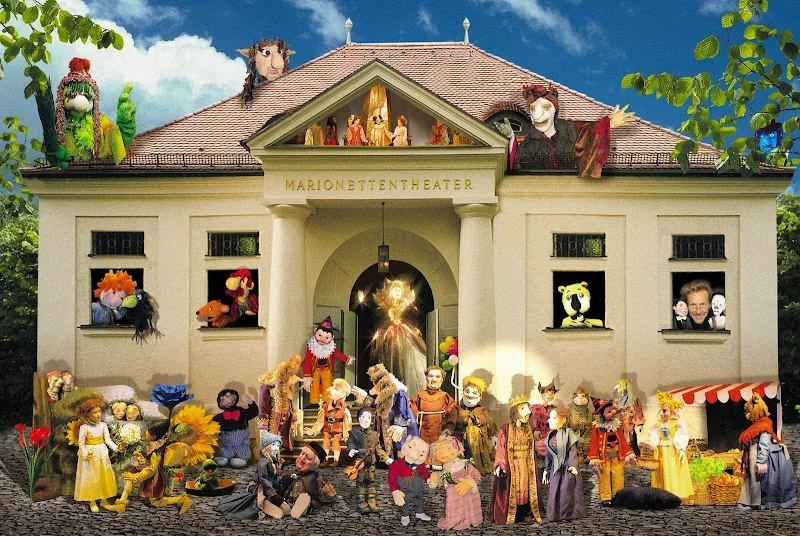
The Munich Marionette Theater is one of the special cultural addresses in the city because it combines historical significance, lovingly maintained craftsmanship, and a vibrant repertoire. Those who visit Blumenstraße 32 encounter not only a stage for children and adults but also a house with over 165 years of tradition, which is still perceived as an integral part of Munich's cultural life today. The theater is centrally located in Altstadt-Lehel, accessible without barriers, and easily reachable by public transport. At the same time, it is closely linked to the city's history: From an early puppet theater project in the 19th century, a representative building emerged, which has existed since 1900 and is now recognized as an intangible cultural heritage in Bavaria. This blend of tradition and modernity shapes the visit from the first glance at the facade to the last scene in the hall. ([muema-theater.de](https://www.muema-theater.de/))
Program, Tickets, and Upcoming Events
For the search term munich marionette theater program, the official program page is at the center, as the theater publishes its current performances and special dates there. The offerings are intentionally diverse: Regularly, children's plays are featured in the afternoon, evening performances for teenagers and adults, as well as special dates such as tours, holiday offers, or events with a unique character. Currently, the homepage highlights Spuk im Spielzeugladen, Der Nussknacker, Die Mondlaterne, and Don Giovanni; additionally, there are indications for open house days and other current dates. This very mix explains why the theater has attracted so many families, school groups, and culture enthusiasts in Munich for years. Those searching for munich marionette theater upcoming events will therefore find not just a simple schedule but a program with a clear age and theme structure. ([muema-theater.de](https://www.muema-theater.de/programm/))
The topic of munich marionette theater tickets is also clearly regulated. According to the official website, tickets can be purchased online, by phone, and in advance; the advance sale is open from Wednesday to Sunday from 10 AM to 1 PM at the side of the building, while the day and evening box office opens 45 minutes before the performance starts. Important for practice: The theater does not accept payments by EC card, credit card, or prepayment, only cash. Additionally, the ticket price currently does not include an MVV ticket. This is valuable for visitor planning, as it is best to consider tickets and travel together in advance. In the children's afternoon program, the regular prices are 14.00 euros for adults and 11.00 euros for children; the evening adult program costs 22.00 euros for adults and 11.00 euros for children up to 14 years. Special performances, holiday programs, and school offers each have their own conditions. ([muema-theater.de](https://www.muema-theater.de/tickets-und-preise/))
Parking and Access at Sendlinger Tor
Those searching for munich marionette theater parking should know that while the theater is located in the city center, it does not have its own free parking spaces. The official website lists paid options such as the Oberanger underground parking garage and the Schrannenhalle underground parking garage. Since the building at Blumenstraße 32 is near Sendlinger Tor, the surrounding area is heavily urbanized and correspondingly busy during peak times. For this reason, traveling by subway, S-Bahn, or tram is often the more relaxing solution. The location is easily accessible for visitors from all over the city, and at the same time, it feels like a classic Munich cultural venue, where a theater visit and a city stroll can be easily combined. ([muema-theater.de](https://www.muema-theater.de/))
For public transport, the theater lists several specific options. By S-Bahn, you can travel on the main line to Marienplatz and walk about ten minutes from there. By U-Bahn, the house can be reached via lines U1, U2, U3, and U6 to Sendlinger Tor; the exits mentioned on the website are Wallstraße and Blumenstraße. Additionally, trams 16, 17, and 18 with the Müllerstraße stop are an important option. This information is particularly helpful for those attending an evening program or traveling with children, as it allows for good planning of arrival. Those searching for munich marionette theater munich or munich marionette theater blumenstraße munich altstadt lehel will thus receive not only the address but also reliable guidance for getting to the Munich center. ([muema-theater.de](https://www.muema-theater.de/))
Seating Plan, Seats, and Auditorium
For the keyword munich marionette theater seating plan, the structure of the auditorium is particularly relevant. The theater describes its hall as clear and well visible: There are a total of 14 rows, with 13 rows for evening performances. According to the official description, you have a good view of the stage from practically every seat, which is a significant advantage for a puppet theater, as attention is focused on fine movements, figures, and stage settings. Particularly important for seat selection: The first two rows, birthday tables, and wheelchair tickets are only available by phone and are marked as sold in the online seating plan. Individual lap seats can also only be booked by phone. This information is often crucial for families, groups, and visitors with special seating requests, as it makes reservations more realistic and prevents later surprises. ([muema-theater.de](https://www.muema-theater.de/tickets-und-preise/))
The topic of munich marionette theater accessibility is also connected to barrier-free access. According to the website, the house is accessible without barriers and has an inductive WLAN or Wifi hearing system. At the same time, the theater openly states the limitations of the infrastructure: There are no spaces for strollers, no accessible toilets, and no changing room. This honesty is important for editorial classification, as it allows visitors to prepare realistically. Those coming with small children, in a wheelchair, or with hearing support can specifically prepare and, if in doubt, inquire by phone in advance. Especially in a historic house, this mix of monument character and practical visit organization is typical. Thus, the seating plan becomes not only a graphical overview but also a true service element for families, school groups, and all those who want a pleasant theater experience. ([muema-theater.de](https://www.muema-theater.de/))
History, Architecture, and Intangible Cultural Heritage
The history of the Munich Marionette Theater officially begins in 1858 when Josef Leonhard Schmid, later known as Papa Schmid, presented the plan to the city of Munich for the establishment of a permanent puppet theater for children. On the historical side of the theater, Franz Graf von Pocci is also described as an important supporter who not only helped but also shaped the figure of Kasperl Larifari, thereby connecting the house to an iconic stage figure to this day. In November 1858, Schmid received the official approval for his project; it then took decades before the theater found a permanent home. This long journey explains why the house is perceived not only as a venue but as a cultural institution. The history is thus not just a background detail but part of the theater's current aura. ([muema-theater.de](https://www.muema-theater.de/ueber-uns/))
Architecturally, the location is equally remarkable. The building on Blumenstraße was designed by Theodor Fischer and opened for the Munich audience for the first time on November 4, 1900. The theater refers to this building as the world's first permanent stone structure for a theater of this kind. Later developments show that the house has not been frozen in time but has been carefully further developed: Between 1986 and 1988, there was an extensive renovation and modernization, and since May 2022, the company has held the title of Intangible Cultural Heritage Bavaria. The theater also emphasizes on its website that the stage space has been technically opened up to give the puppet theater more possibilities. This connection of monument, craftsmanship, and lively play practice makes the Munich Marionette Theater so special and explains why visitors experience it as both traditional and surprisingly modern. ([muema-theater.de](https://www.muema-theater.de/ueber-uns/geschichte/))
Family Pieces, Classics, and Puppetry for Adults
Those searching for munich marionette theater the adventures of the little bear find a good example of the family-friendly side of the house. The piece tells of a little bear, his friend the lamb, a treasure map, and a shared journey that develops into an exciting adventure. It is suitable for ages four and up and lasts about 90 minutes, including a break. Such pieces show why the theater is so popular with parents, grandparents, and children: The stories are clearly told, lovingly constructed, and carefully tailored to the respective age. Other children's pieces also rely on fantasy, friendship, and musical or literary templates. The current program ranges from fairy tale materials to self-developed figure adventures, so the theater does not only appear nostalgic but creates new access for young viewers every year. ([muema-theater.de](https://www.muema-theater.de/stuecke/die-abenteuer-des-kleinen-baeren/))
For older visitors, the repertoire is equally interesting. With munich marionette theater magic flute, munich marionette theater tabaluga, and munich marionette theater oide wiesn, the house shows how broadly it is positioned between opera, pop culture, and Munich traditions. On the piece page and in the program, you can find, among others, Tabaluga - Long Live Friendship, Don Giovanni, Hoffmann's Tales, and Der Goggolori. The theater thus uses not only classic children's materials but also operas and modern narrative forms that appeal to teenagers and adults. This is part of its strength: The tradition of puppetry is not treated museally but translated into very different formats. This creates a repertoire that appeals to families as well as opera lovers and culture enthusiasts looking for an unusual form of stage. ([muema-theater.de](https://www.muema-theater.de/stuecke/tabaluga-es-lebe-die-freundschaft/))
Open House Day, Oide Wiesn, and Practical Visitor Tips
The keyword munich marionette theater open house day refers to an offer that particularly piques curiosity because it allows a glimpse behind the scenes. According to the website, visitors and children are warmly invited to learn how a puppet comes to life, how the workshops work, and how much handwork goes into a figure during the open house day. The next date is expected to be on April 12, 2026, with several access windows between 11 AM and 5 PM; during this time, visitors can take a look behind the scenes. Such insights are equally exciting for families, theater fans, and school groups because they make the essence of the house more understandable: It is not only about performances but also about the construction, maintenance, and technology of the figures. So, anyone looking for a special activity in Munich finds not just a date but an experience with educational value and character. ([muema-theater.de](https://www.muema-theater.de/extras/?utm_source=openai))
The munich marionette theater oide wiesn is also a strong example of how the house interacts with Munich traditions. At the Oidn Wiesn, the theater presents a daily changing program for young and old; entry to the theater is free, and only access to the Wiesn grounds is paid; among others, the program includes Der Brandner Kaspar schaut ins Paradies, Der Münchner im Himmel, Zirkus Kunterbunt, and Las Vegas Show. Those preparing for their visit should also pay attention to practical tips: The theater is accessible without barriers, offers an inductive hearing system, and sells tickets with different regulations depending on the area. Since the ticket price does not include an MVV ticket and the evening box office opens shortly before the performance starts, it is worth checking the official website before the visit. This way, a simple theater trip becomes a well-planned Munich evening with little effort and a lot of atmosphere. ([muema-theater.de](https://www.muema-theater.de/oide-wiesn/))
Sources:
Show moreShow less
Munich Marionette Theater | Program & Tickets
The Munich Marionette Theater is one of the special cultural addresses in the city because it combines historical significance, lovingly maintained craftsmanship, and a vibrant repertoire. Those who visit Blumenstraße 32 encounter not only a stage for children and adults but also a house with over 165 years of tradition, which is still perceived as an integral part of Munich's cultural life today. The theater is centrally located in Altstadt-Lehel, accessible without barriers, and easily reachable by public transport. At the same time, it is closely linked to the city's history: From an early puppet theater project in the 19th century, a representative building emerged, which has existed since 1900 and is now recognized as an intangible cultural heritage in Bavaria. This blend of tradition and modernity shapes the visit from the first glance at the facade to the last scene in the hall. ([muema-theater.de](https://www.muema-theater.de/))
Program, Tickets, and Upcoming Events
For the search term munich marionette theater program, the official program page is at the center, as the theater publishes its current performances and special dates there. The offerings are intentionally diverse: Regularly, children's plays are featured in the afternoon, evening performances for teenagers and adults, as well as special dates such as tours, holiday offers, or events with a unique character. Currently, the homepage highlights Spuk im Spielzeugladen, Der Nussknacker, Die Mondlaterne, and Don Giovanni; additionally, there are indications for open house days and other current dates. This very mix explains why the theater has attracted so many families, school groups, and culture enthusiasts in Munich for years. Those searching for munich marionette theater upcoming events will therefore find not just a simple schedule but a program with a clear age and theme structure. ([muema-theater.de](https://www.muema-theater.de/programm/))
The topic of munich marionette theater tickets is also clearly regulated. According to the official website, tickets can be purchased online, by phone, and in advance; the advance sale is open from Wednesday to Sunday from 10 AM to 1 PM at the side of the building, while the day and evening box office opens 45 minutes before the performance starts. Important for practice: The theater does not accept payments by EC card, credit card, or prepayment, only cash. Additionally, the ticket price currently does not include an MVV ticket. This is valuable for visitor planning, as it is best to consider tickets and travel together in advance. In the children's afternoon program, the regular prices are 14.00 euros for adults and 11.00 euros for children; the evening adult program costs 22.00 euros for adults and 11.00 euros for children up to 14 years. Special performances, holiday programs, and school offers each have their own conditions. ([muema-theater.de](https://www.muema-theater.de/tickets-und-preise/))
Parking and Access at Sendlinger Tor
Those searching for munich marionette theater parking should know that while the theater is located in the city center, it does not have its own free parking spaces. The official website lists paid options such as the Oberanger underground parking garage and the Schrannenhalle underground parking garage. Since the building at Blumenstraße 32 is near Sendlinger Tor, the surrounding area is heavily urbanized and correspondingly busy during peak times. For this reason, traveling by subway, S-Bahn, or tram is often the more relaxing solution. The location is easily accessible for visitors from all over the city, and at the same time, it feels like a classic Munich cultural venue, where a theater visit and a city stroll can be easily combined. ([muema-theater.de](https://www.muema-theater.de/))
For public transport, the theater lists several specific options. By S-Bahn, you can travel on the main line to Marienplatz and walk about ten minutes from there. By U-Bahn, the house can be reached via lines U1, U2, U3, and U6 to Sendlinger Tor; the exits mentioned on the website are Wallstraße and Blumenstraße. Additionally, trams 16, 17, and 18 with the Müllerstraße stop are an important option. This information is particularly helpful for those attending an evening program or traveling with children, as it allows for good planning of arrival. Those searching for munich marionette theater munich or munich marionette theater blumenstraße munich altstadt lehel will thus receive not only the address but also reliable guidance for getting to the Munich center. ([muema-theater.de](https://www.muema-theater.de/))
Seating Plan, Seats, and Auditorium
For the keyword munich marionette theater seating plan, the structure of the auditorium is particularly relevant. The theater describes its hall as clear and well visible: There are a total of 14 rows, with 13 rows for evening performances. According to the official description, you have a good view of the stage from practically every seat, which is a significant advantage for a puppet theater, as attention is focused on fine movements, figures, and stage settings. Particularly important for seat selection: The first two rows, birthday tables, and wheelchair tickets are only available by phone and are marked as sold in the online seating plan. Individual lap seats can also only be booked by phone. This information is often crucial for families, groups, and visitors with special seating requests, as it makes reservations more realistic and prevents later surprises. ([muema-theater.de](https://www.muema-theater.de/tickets-und-preise/))
The topic of munich marionette theater accessibility is also connected to barrier-free access. According to the website, the house is accessible without barriers and has an inductive WLAN or Wifi hearing system. At the same time, the theater openly states the limitations of the infrastructure: There are no spaces for strollers, no accessible toilets, and no changing room. This honesty is important for editorial classification, as it allows visitors to prepare realistically. Those coming with small children, in a wheelchair, or with hearing support can specifically prepare and, if in doubt, inquire by phone in advance. Especially in a historic house, this mix of monument character and practical visit organization is typical. Thus, the seating plan becomes not only a graphical overview but also a true service element for families, school groups, and all those who want a pleasant theater experience. ([muema-theater.de](https://www.muema-theater.de/))
History, Architecture, and Intangible Cultural Heritage
The history of the Munich Marionette Theater officially begins in 1858 when Josef Leonhard Schmid, later known as Papa Schmid, presented the plan to the city of Munich for the establishment of a permanent puppet theater for children. On the historical side of the theater, Franz Graf von Pocci is also described as an important supporter who not only helped but also shaped the figure of Kasperl Larifari, thereby connecting the house to an iconic stage figure to this day. In November 1858, Schmid received the official approval for his project; it then took decades before the theater found a permanent home. This long journey explains why the house is perceived not only as a venue but as a cultural institution. The history is thus not just a background detail but part of the theater's current aura. ([muema-theater.de](https://www.muema-theater.de/ueber-uns/))
Architecturally, the location is equally remarkable. The building on Blumenstraße was designed by Theodor Fischer and opened for the Munich audience for the first time on November 4, 1900. The theater refers to this building as the world's first permanent stone structure for a theater of this kind. Later developments show that the house has not been frozen in time but has been carefully further developed: Between 1986 and 1988, there was an extensive renovation and modernization, and since May 2022, the company has held the title of Intangible Cultural Heritage Bavaria. The theater also emphasizes on its website that the stage space has been technically opened up to give the puppet theater more possibilities. This connection of monument, craftsmanship, and lively play practice makes the Munich Marionette Theater so special and explains why visitors experience it as both traditional and surprisingly modern. ([muema-theater.de](https://www.muema-theater.de/ueber-uns/geschichte/))
Family Pieces, Classics, and Puppetry for Adults
Those searching for munich marionette theater the adventures of the little bear find a good example of the family-friendly side of the house. The piece tells of a little bear, his friend the lamb, a treasure map, and a shared journey that develops into an exciting adventure. It is suitable for ages four and up and lasts about 90 minutes, including a break. Such pieces show why the theater is so popular with parents, grandparents, and children: The stories are clearly told, lovingly constructed, and carefully tailored to the respective age. Other children's pieces also rely on fantasy, friendship, and musical or literary templates. The current program ranges from fairy tale materials to self-developed figure adventures, so the theater does not only appear nostalgic but creates new access for young viewers every year. ([muema-theater.de](https://www.muema-theater.de/stuecke/die-abenteuer-des-kleinen-baeren/))
For older visitors, the repertoire is equally interesting. With munich marionette theater magic flute, munich marionette theater tabaluga, and munich marionette theater oide wiesn, the house shows how broadly it is positioned between opera, pop culture, and Munich traditions. On the piece page and in the program, you can find, among others, Tabaluga - Long Live Friendship, Don Giovanni, Hoffmann's Tales, and Der Goggolori. The theater thus uses not only classic children's materials but also operas and modern narrative forms that appeal to teenagers and adults. This is part of its strength: The tradition of puppetry is not treated museally but translated into very different formats. This creates a repertoire that appeals to families as well as opera lovers and culture enthusiasts looking for an unusual form of stage. ([muema-theater.de](https://www.muema-theater.de/stuecke/tabaluga-es-lebe-die-freundschaft/))
Open House Day, Oide Wiesn, and Practical Visitor Tips
The keyword munich marionette theater open house day refers to an offer that particularly piques curiosity because it allows a glimpse behind the scenes. According to the website, visitors and children are warmly invited to learn how a puppet comes to life, how the workshops work, and how much handwork goes into a figure during the open house day. The next date is expected to be on April 12, 2026, with several access windows between 11 AM and 5 PM; during this time, visitors can take a look behind the scenes. Such insights are equally exciting for families, theater fans, and school groups because they make the essence of the house more understandable: It is not only about performances but also about the construction, maintenance, and technology of the figures. So, anyone looking for a special activity in Munich finds not just a date but an experience with educational value and character. ([muema-theater.de](https://www.muema-theater.de/extras/?utm_source=openai))
The munich marionette theater oide wiesn is also a strong example of how the house interacts with Munich traditions. At the Oidn Wiesn, the theater presents a daily changing program for young and old; entry to the theater is free, and only access to the Wiesn grounds is paid; among others, the program includes Der Brandner Kaspar schaut ins Paradies, Der Münchner im Himmel, Zirkus Kunterbunt, and Las Vegas Show. Those preparing for their visit should also pay attention to practical tips: The theater is accessible without barriers, offers an inductive hearing system, and sells tickets with different regulations depending on the area. Since the ticket price does not include an MVV ticket and the evening box office opens shortly before the performance starts, it is worth checking the official website before the visit. This way, a simple theater trip becomes a well-planned Munich evening with little effort and a lot of atmosphere. ([muema-theater.de](https://www.muema-theater.de/oide-wiesn/))
Sources:
Munich Marionette Theater | Program & Tickets
The Munich Marionette Theater is one of the special cultural addresses in the city because it combines historical significance, lovingly maintained craftsmanship, and a vibrant repertoire. Those who visit Blumenstraße 32 encounter not only a stage for children and adults but also a house with over 165 years of tradition, which is still perceived as an integral part of Munich's cultural life today. The theater is centrally located in Altstadt-Lehel, accessible without barriers, and easily reachable by public transport. At the same time, it is closely linked to the city's history: From an early puppet theater project in the 19th century, a representative building emerged, which has existed since 1900 and is now recognized as an intangible cultural heritage in Bavaria. This blend of tradition and modernity shapes the visit from the first glance at the facade to the last scene in the hall. ([muema-theater.de](https://www.muema-theater.de/))
Program, Tickets, and Upcoming Events
For the search term munich marionette theater program, the official program page is at the center, as the theater publishes its current performances and special dates there. The offerings are intentionally diverse: Regularly, children's plays are featured in the afternoon, evening performances for teenagers and adults, as well as special dates such as tours, holiday offers, or events with a unique character. Currently, the homepage highlights Spuk im Spielzeugladen, Der Nussknacker, Die Mondlaterne, and Don Giovanni; additionally, there are indications for open house days and other current dates. This very mix explains why the theater has attracted so many families, school groups, and culture enthusiasts in Munich for years. Those searching for munich marionette theater upcoming events will therefore find not just a simple schedule but a program with a clear age and theme structure. ([muema-theater.de](https://www.muema-theater.de/programm/))
The topic of munich marionette theater tickets is also clearly regulated. According to the official website, tickets can be purchased online, by phone, and in advance; the advance sale is open from Wednesday to Sunday from 10 AM to 1 PM at the side of the building, while the day and evening box office opens 45 minutes before the performance starts. Important for practice: The theater does not accept payments by EC card, credit card, or prepayment, only cash. Additionally, the ticket price currently does not include an MVV ticket. This is valuable for visitor planning, as it is best to consider tickets and travel together in advance. In the children's afternoon program, the regular prices are 14.00 euros for adults and 11.00 euros for children; the evening adult program costs 22.00 euros for adults and 11.00 euros for children up to 14 years. Special performances, holiday programs, and school offers each have their own conditions. ([muema-theater.de](https://www.muema-theater.de/tickets-und-preise/))
Parking and Access at Sendlinger Tor
Those searching for munich marionette theater parking should know that while the theater is located in the city center, it does not have its own free parking spaces. The official website lists paid options such as the Oberanger underground parking garage and the Schrannenhalle underground parking garage. Since the building at Blumenstraße 32 is near Sendlinger Tor, the surrounding area is heavily urbanized and correspondingly busy during peak times. For this reason, traveling by subway, S-Bahn, or tram is often the more relaxing solution. The location is easily accessible for visitors from all over the city, and at the same time, it feels like a classic Munich cultural venue, where a theater visit and a city stroll can be easily combined. ([muema-theater.de](https://www.muema-theater.de/))
For public transport, the theater lists several specific options. By S-Bahn, you can travel on the main line to Marienplatz and walk about ten minutes from there. By U-Bahn, the house can be reached via lines U1, U2, U3, and U6 to Sendlinger Tor; the exits mentioned on the website are Wallstraße and Blumenstraße. Additionally, trams 16, 17, and 18 with the Müllerstraße stop are an important option. This information is particularly helpful for those attending an evening program or traveling with children, as it allows for good planning of arrival. Those searching for munich marionette theater munich or munich marionette theater blumenstraße munich altstadt lehel will thus receive not only the address but also reliable guidance for getting to the Munich center. ([muema-theater.de](https://www.muema-theater.de/))
Seating Plan, Seats, and Auditorium
For the keyword munich marionette theater seating plan, the structure of the auditorium is particularly relevant. The theater describes its hall as clear and well visible: There are a total of 14 rows, with 13 rows for evening performances. According to the official description, you have a good view of the stage from practically every seat, which is a significant advantage for a puppet theater, as attention is focused on fine movements, figures, and stage settings. Particularly important for seat selection: The first two rows, birthday tables, and wheelchair tickets are only available by phone and are marked as sold in the online seating plan. Individual lap seats can also only be booked by phone. This information is often crucial for families, groups, and visitors with special seating requests, as it makes reservations more realistic and prevents later surprises. ([muema-theater.de](https://www.muema-theater.de/tickets-und-preise/))
The topic of munich marionette theater accessibility is also connected to barrier-free access. According to the website, the house is accessible without barriers and has an inductive WLAN or Wifi hearing system. At the same time, the theater openly states the limitations of the infrastructure: There are no spaces for strollers, no accessible toilets, and no changing room. This honesty is important for editorial classification, as it allows visitors to prepare realistically. Those coming with small children, in a wheelchair, or with hearing support can specifically prepare and, if in doubt, inquire by phone in advance. Especially in a historic house, this mix of monument character and practical visit organization is typical. Thus, the seating plan becomes not only a graphical overview but also a true service element for families, school groups, and all those who want a pleasant theater experience. ([muema-theater.de](https://www.muema-theater.de/))
History, Architecture, and Intangible Cultural Heritage
The history of the Munich Marionette Theater officially begins in 1858 when Josef Leonhard Schmid, later known as Papa Schmid, presented the plan to the city of Munich for the establishment of a permanent puppet theater for children. On the historical side of the theater, Franz Graf von Pocci is also described as an important supporter who not only helped but also shaped the figure of Kasperl Larifari, thereby connecting the house to an iconic stage figure to this day. In November 1858, Schmid received the official approval for his project; it then took decades before the theater found a permanent home. This long journey explains why the house is perceived not only as a venue but as a cultural institution. The history is thus not just a background detail but part of the theater's current aura. ([muema-theater.de](https://www.muema-theater.de/ueber-uns/))
Architecturally, the location is equally remarkable. The building on Blumenstraße was designed by Theodor Fischer and opened for the Munich audience for the first time on November 4, 1900. The theater refers to this building as the world's first permanent stone structure for a theater of this kind. Later developments show that the house has not been frozen in time but has been carefully further developed: Between 1986 and 1988, there was an extensive renovation and modernization, and since May 2022, the company has held the title of Intangible Cultural Heritage Bavaria. The theater also emphasizes on its website that the stage space has been technically opened up to give the puppet theater more possibilities. This connection of monument, craftsmanship, and lively play practice makes the Munich Marionette Theater so special and explains why visitors experience it as both traditional and surprisingly modern. ([muema-theater.de](https://www.muema-theater.de/ueber-uns/geschichte/))
Family Pieces, Classics, and Puppetry for Adults
Those searching for munich marionette theater the adventures of the little bear find a good example of the family-friendly side of the house. The piece tells of a little bear, his friend the lamb, a treasure map, and a shared journey that develops into an exciting adventure. It is suitable for ages four and up and lasts about 90 minutes, including a break. Such pieces show why the theater is so popular with parents, grandparents, and children: The stories are clearly told, lovingly constructed, and carefully tailored to the respective age. Other children's pieces also rely on fantasy, friendship, and musical or literary templates. The current program ranges from fairy tale materials to self-developed figure adventures, so the theater does not only appear nostalgic but creates new access for young viewers every year. ([muema-theater.de](https://www.muema-theater.de/stuecke/die-abenteuer-des-kleinen-baeren/))
For older visitors, the repertoire is equally interesting. With munich marionette theater magic flute, munich marionette theater tabaluga, and munich marionette theater oide wiesn, the house shows how broadly it is positioned between opera, pop culture, and Munich traditions. On the piece page and in the program, you can find, among others, Tabaluga - Long Live Friendship, Don Giovanni, Hoffmann's Tales, and Der Goggolori. The theater thus uses not only classic children's materials but also operas and modern narrative forms that appeal to teenagers and adults. This is part of its strength: The tradition of puppetry is not treated museally but translated into very different formats. This creates a repertoire that appeals to families as well as opera lovers and culture enthusiasts looking for an unusual form of stage. ([muema-theater.de](https://www.muema-theater.de/stuecke/tabaluga-es-lebe-die-freundschaft/))
Open House Day, Oide Wiesn, and Practical Visitor Tips
The keyword munich marionette theater open house day refers to an offer that particularly piques curiosity because it allows a glimpse behind the scenes. According to the website, visitors and children are warmly invited to learn how a puppet comes to life, how the workshops work, and how much handwork goes into a figure during the open house day. The next date is expected to be on April 12, 2026, with several access windows between 11 AM and 5 PM; during this time, visitors can take a look behind the scenes. Such insights are equally exciting for families, theater fans, and school groups because they make the essence of the house more understandable: It is not only about performances but also about the construction, maintenance, and technology of the figures. So, anyone looking for a special activity in Munich finds not just a date but an experience with educational value and character. ([muema-theater.de](https://www.muema-theater.de/extras/?utm_source=openai))
The munich marionette theater oide wiesn is also a strong example of how the house interacts with Munich traditions. At the Oidn Wiesn, the theater presents a daily changing program for young and old; entry to the theater is free, and only access to the Wiesn grounds is paid; among others, the program includes Der Brandner Kaspar schaut ins Paradies, Der Münchner im Himmel, Zirkus Kunterbunt, and Las Vegas Show. Those preparing for their visit should also pay attention to practical tips: The theater is accessible without barriers, offers an inductive hearing system, and sells tickets with different regulations depending on the area. Since the ticket price does not include an MVV ticket and the evening box office opens shortly before the performance starts, it is worth checking the official website before the visit. This way, a simple theater trip becomes a well-planned Munich evening with little effort and a lot of atmosphere. ([muema-theater.de](https://www.muema-theater.de/oide-wiesn/))
Sources:
Upcoming Events
No events found
Frequently Asked Questions
Reviews
Julien Piccini
7. February 2026
I love this place, a must do for parents in Munich. Very magical and they always break the 4th wall with kids. Stories are nice. Also it is well done so you can see the stage from anywhere. Of course, everything is in German.
Toby Martin
5. October 2020
Very charming and lots of fun for children of all ages. The production was very good and the story was creative and funny. One tip - take a cushion as the chairs are hard and something comfortable stops the little ones fidgeting. We will go back for sure.
troy ludwar
1. August 2024
Looks awesome but the hours were different than their website.
RR
7. September 2016
Recent child animated movies are so brilliant and sharp - I did not feel this was even close - not much humor and very dull production. We saw The Lantern, a 1950's play in German with its original playback so maybe other plays are better. Note the marionettes were so ugly to the point of giving nightmares to younger kids. Go only if you have a soft spot for such things.
Ralf Kelzenberg
20. December 2017
Small and cosy place. Very family friendly. You will have to book early though, to get best seating, which is being auto assigned. Recently they also have hand puppets.