
München
Spiridon-Louis-Ring 21, 80809 München, Deutschland
Olympiapark Munich | Events & Parking
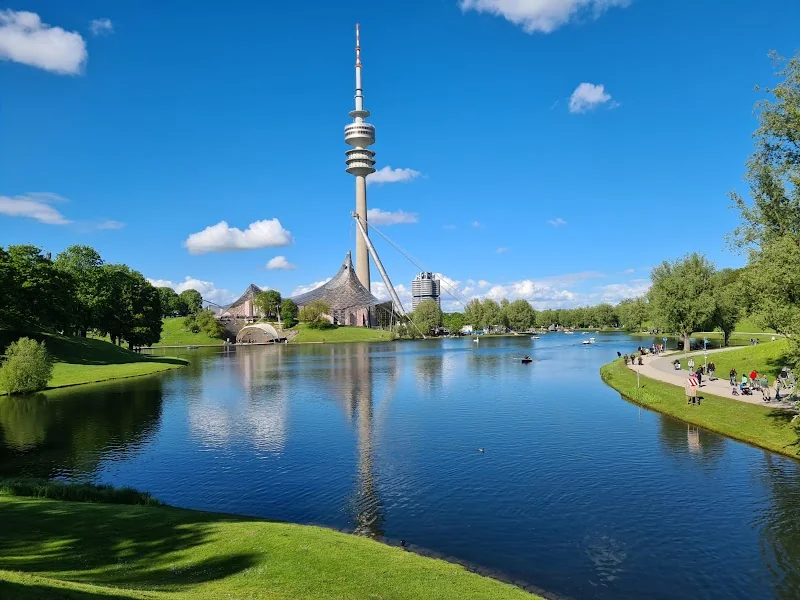
The Olympiapark Munich is much more than a well-known green space in the north of the city. It is an international event center, a sports and leisure park, and a world-renowned tourist attraction that continues to thrive on the energy of the 1972 Summer Olympics. At the same time, it is a place where one can consciously slow down from everyday life: amidst architecture, open spaces, gastronomy, viewpoints, and a wide mix of cultural, sports, and family offerings. Those who visit the Olympiapark not only experience a piece of Munich's identity but also a site that is used daily and constantly reinvents itself. The park itself is generally open daily, and the official website provides a wealth of visitor information, maps, event notices, and service points. Even though individual landmarks like the Olympic Stadium and the Olympic Tower are currently undergoing renovation and are temporarily closed, the area itself remains fully usable as a vibrant experience space. ([olympiapark.de](https://www.olympiapark.de/de/der-olympiapark/parkuebersicht/olympiapark-muenchen))
Today, Events and Program at Olympiapark Munich
When people search for "olympiapark munich today", "events today" or "program", it usually boils down to a simple question: What is happening right now, and is it worth the trip? The official website is particularly well-equipped for this. On the homepage, there is a dedicated section for current daily events, along with an extensive calendar and a clear thematic sorting into concerts, shows, sports, and various formats. The program ranges from pop, rap, hip-hop & RnB and rock & indie to schlager & folk music, orchestras & classical, dance & electronic, metal, soundtrack, and festival. This variety makes the park a place where a concert can take place one day, a sports event the next, and shortly thereafter a market, a festival, or a special event. This versatility is a key part of the Olympiapark Munich brand. ([olympiapark.de](https://www.olympiapark.de/de))
It is particularly interesting that the official site defines the theme not only through individual major events but also through ongoing in-house events and recurring formats. These include the Summer Night's Dream, MASH, and Summer Festival, which seasonally shape the park and give it additional appeal beyond the large concert and stadium logic. Current notices on the homepage also show that the Olympiapark continuously bundles new themes, such as the planning of the Handball World Championship 2027 or the immediate promotion of upcoming highlights. This makes it clear: the Olympiapark is not a static memorial site but a continuously active event cluster where tourism, sports, entertainment, and lifestyle intertwine. Especially for visitors looking for the current calendar, the program for 2026, or spontaneous ideas for today, the official homepage is the quickest entry point. There, one can find not only dates but also categories, ticket information, and thematic filters that make visiting significantly easier. ([olympiapark.de](https://www.olympiapark.de/de))
For SEO searches related to events, the terms "today", "events today", "program", "events", and "concerts" are particularly relevant. They reflect the most important user intention: to quickly check what is happening on the desired day or in the coming weeks. The Olympiapark is particularly well-positioned in the concert area. The official website highlights current headliners and concert series as well as the diversity of genres. This is not only relevant for fans but also for anyone looking for a location with a high probability of attracting large audiences. In the combination of current event overview, clear structure, and high event density, the Olympiapark Munich becomes a particularly strong destination for event and leisure enthusiasts. ([olympiapark.de](https://www.olympiapark.de/de))
Parking and Access: How Visitors Can Arrive Stress-Free
When it comes to the keyword "parking", the Olympiapark Munich is very specific. The official visitor information explicitly recommends arriving by public transport, as the park is optimally connected to the MVG network and has only a limited number of parking spaces. Those who still come by car should use Park & Ride and plan enough time. Access to the parking harp is provided via the Mittlere Ring and the Sapporobogen; additionally, the official site names the parking deck and parking harp with clear what3words addresses so that visitors can better orient themselves on-site. This combination of clear recommendation, limited parking space, and digital navigation is particularly important for the visit. Especially for large events, one should not arrive just before entry but consciously plan with a buffer. ([olympiapark.de](https://www.olympiapark.de/de/der-olympiapark/parkuebersicht/olympia-actionsportzentrum/Parken))
Currently, the Olympiapark also points out ongoing construction work in the surrounding area. Until December 2026, the Landshuter Allee bridge over Dachauer Straße is being renovated, which may lead to traffic restrictions on the Mittlere Ring, Dachauer Straße, and access to the parking harp depending on the construction progress. The official recommendation is therefore to arrive early and, if possible, approach the parking harp from the north via Georg-Brauchle-Ring. For public transport access, it is particularly important that the Olympiapark West stop remains accessible without restrictions according to visitor information. Those coming from the city center or from the Munich network often travel more comfortably by train or tram than by car. For this reason, while the keyword "parking" fits the search intention, the best answer from the user's perspective remains a combined recommendation of public transport, Park & Ride, and timely planning. ([olympiapark.de](https://www.olympiapark.de/de/der-olympiapark/besucherinformationen))
The fee structure is also relevant, as many visitors want to calculate in advance. For cars, the official site states 10.00 euros per day in the parking harp and 5.00 euros per hour at the parking deck at the Olympic Tower and the parking lot at the Olympia Action Sports Center. Separate rates apply for buses at the parking lot of the Olympia Action Sports Center. Such information is particularly interesting for groups, families, shuttle operators, and event visitors who want to plan with concrete costs. Overall, the topic of access shows very well how strongly the Olympiapark connects classic event logistics with modern visitor guidance: clear signage, digital location information, public transport, Park & Ride, and current notices about construction sites or closures. ([olympiapark.de](https://www.olympiapark.de/de/der-olympiapark/parkuebersicht/olympia-actionsportzentrum/Parken))
Public Viewing, Fan Zone, and Great Live Moments
The keyword "public viewing" is one of the strongest themes at Olympiapark Munich because the park regularly becomes a fan zone during major football events. A very good example is the UEFA EURO 2024: The official fan zone in Olympiapark was described as a central meeting point for fans, accommodating around 25,000 visitors and combining football atmosphere with a free supporting program. The centerpiece was the public viewing with three screens on the lake stage, the Theatron, and under the Magic Sky on the Hans-Jochen-Vogel-Platz. For the matches of the German national team and the Munich games, the Olympic Stadium was additionally opened, where another 20,000 fans could cheer along on a 160-square-meter screen. This clearly shows the significance of the Olympiapark for shared live experiences in Munich. ([olympiapark.de](https://www.olympiapark.de/de/veranstaltungen/fan-zone-olympiapark-n4075))
What was particularly attractive for visitors was not only the sports broadcast but the entire experience around it. The fan zone offered music, culture, art, infotainment, interactive offerings, workshops, street dance, e-sports, comedy, and other program points. Admission was free, the opening hours were clearly communicated, and there was also a lot on offer gastronomically, from beer garden atmosphere to food trucks with vegetarian and vegan options. Thus, public viewing at Olympiapark was never just "watching TV outdoors" but a consciously curated community experience. For SEO searches, this is important because users searching for public viewing are often looking for atmosphere, large screens, communal feeling, fan experience, and practical information about location and admission. This combination is particularly convincingly fulfilled by the Olympiapark. ([olympiapark.de](https://www.olympiapark.de/de/veranstaltungen/fan-zone-olympiapark-n4075))
At the same time, it should be noted in planning that the Olympic Stadium has been closed since September 2025 for the duration of renovations and cannot currently be visited. The Olympic Tower has also been temporarily closed since June 2024 and is expected to reopen in the fourth quarter of 2027. For event and public viewing concepts, this does not mean that the Olympiapark loses relevance, but rather that individual formats and venues may shift depending on the occasion. Therefore, those searching for "olympiapark munich public viewing" will find not only a historic fan event location but also a site that can respond very flexibly to visitor flows and event logistics during major events. ([olympiapark.de](https://www.olympiapark.de/de/der-olympiakpark/parkuebersicht/olympiastadion))
With Children in Olympiapark Munich: Action, Train, and Leisure
The topic "with children" is surprisingly broad in Olympiapark Munich. A central component is the Munich Action Park, which sees itself as a hotspot for action sports and combines offerings for schools, daycare groups, club formats, Ninja Warrior, parkour, and calisthenics. Particularly family-relevant are the holiday courses for children aged 8 to 16, children's birthdays with coach supervision, and the kids area for children aged 3 to 9. For the kids area, online time slots are required on weekends due to high demand; the slots are limited to 50 tickets and 2.5 hours. This makes the area not only sporty but also organizationally well-suited for families. Tickets are available online and on-site, making spontaneous planning easier. ([olympiapark.de](https://www.olympiapark.de/de/sport/munich-action-park))
A second strong family offering is the park train. It operates seasonally from March to November, currently between March 21, 2026, and November 8, 2026, daily from about 10 am to 6 pm, and takes about 20 minutes for a round through the park. Departure and arrival occur, among other places, at the stop by the Olympic Lake in front of the Olympic Tower and at the BMW World. For children, this is a low-threshold, relaxed entry into the park, as they can not only walk but experience the area from a different perspective. Especially for families with younger children or for visitors who are discovering the Olympiapark for the first time, the park train is a charming way to explore the area without haste. ([olympiapark.de](https://www.olympiapark.de/de/attraktionen-und-gastronomie/sightseeing/parkeisenbahn))
Beyond that, there are family-friendly impulses. The official website refers to audio guide offerings, tours, and additional leisure spots in the park's surroundings. There are also restaurants with children's corners and plenty of seating, such as at the Olympiasee restaurant. Even the large park logic is designed to be family-friendly: clear paths, interactive maps, toilet information, parking options, and an area that can be explored well even without extensive prior knowledge. This makes the Olympiapark not only an event location but also a place where children, teenagers, and parents can spend a whole day without everything leading to just one main program. ([olympiapark.de](https://www.olympiapark.de/de/der-olympiapark/besucherinformationen))
Food, Services, and Practical Visitor Information
Those searching for "food" in Olympiapark will find more than just a quick snack solution. The Olympiasee restaurant at the foot of the Olympic Tower offers over 200 seats, a sun terrace, an open show kitchen, and daily changing dishes. Mentioned are pasta, pizza, schnitzel, currywurst, changing creations, as well as coffee and cake from its own patisserie. Particularly practical is that the restaurant is explicitly intended as a place for a relaxed stop before or after visiting the park. Additional gastronomic offerings include the Coubertin at Hans-Jochen-Vogel-Platz, DECK21 on the Coubertin rooftop terrace, and the beer garden at Hans-Jochen-Vogel-Platz. Thus, the culinary offerings in Olympiapark are not only functional but also tailored for different times of the day and target groups. ([olympiapark.de](https://www.olympiapark.de/de/attraktionen-und-gastronomie/gastronomie/restaurant-am-olympiasee))
Visitor information plays a significant role in services. The official map leads to attractions, restaurants, parking lots, and service points, and the area is divided via what3words so that important places can be quickly found. This is particularly useful in a large, sprawling area where various elements are distributed among the parking harp, event spaces, restaurants, sports areas, and sightseeing zones. Additionally, the Olympiapark points out that the Hans-Jochen-Vogel-Platz may be temporarily closed during events for security and logistics reasons, both on setup days and on the event day itself. Therefore, those who want to approach their visit relaxed should pay attention not only to the weather but also to the respective event situation. ([olympiapark.de](https://www.olympiapark.de/de/der-olympiapark/besucherinformationen))
For visitors, it is also helpful that the park does not function in a one-dimensional way. In addition to food and service, there are sightseeing, guided tours, outdoor activities, boat offerings, tennis, running events, and more. This makes the Olympiapark a place where a coffee on the terrace, a family outing, a stadium visit, a concert evening, or a sporting activity can seamlessly transition into one another. This mixture ensures that the park can rank well both in searches for "food" and in general visitor queries: people want not only to be fed but also to structure their day meaningfully. The Olympiapark provides an unusually strong infrastructure for this. ([olympiapark.de](https://www.olympiapark.de/de/attraktionen-und-gastronomie/gastronomie/restaurant-am-olympiasee))
History, Architecture, Operators, and Jobs at Olympiapark
The historical dimension of the Olympiapark is one of its greatest SEO and brand values. The park was created in the context of the 1972 Summer Olympics and is described on the official site as a world-famous landmark that still shapes Munich more than five decades later. The Olympic Stadium, with its light, open architecture and curved tent roof, became a symbol of an open, democratic attitude. Since September 12, 1972, 2,219 events with over 55.0 million spectators have taken place there; additionally, more than 14.5 million people have visited the stadium since 1972. Such numbers show that the Olympiapark is not only a memorial site but also a permanently functioning major event system. ([olympiapark.de](https://www.olympiapark.de/de/der-olympiapark/parkuebersicht/olympiastadion))
The Olympic Tower also impressively tells this development. At 291 meters, it is the tallest structure in Munich; construction was decided in 1964, opened in 1968, and became world-famous through the 1972 Games. By May 2024, around 45 million visitors had used the elevator to the observation platforms at 190 meters. The Olympiahalle, in turn, is also a heavyweight as a modern event location: 3,513 events with around 35.7 million spectators have taken place there so far, including business areas and Coubertin/Club. Together, these places create what makes the Olympiapark: a rare density of history, architecture, sports, entertainment, and everyday use. Additionally, the total number of 240.7 million registered visitors, 34 world championships, 21 European championships, and over 100 German championships speaks for itself. This is an extraordinary record in Germany and Europe. ([olympiapark.de](https://www.olympiapark.de/de/der-olympiapark/parkuebersicht/olympiaturm))
Organizationally, the area is operated by Olympiapark München GmbH, a wholly-owned subsidiary of the City of Munich. The company sees its main task as acquiring or creating new events and continuously rethinking leisure offerings to keep the park attractive. Additionally, its services range from event organization and press work to catering and ticket sales to marketing and partner structures. For searches with "gmbh" or "jobs", this is particularly relevant: the Olympiapark is not only a location but also an employer and an operational event company. On the career page, there are unsolicited applications and current job postings, and the page points out that the company has been rated as a Top Company 2026. Therefore, anyone looking to enter the fields of events, sports, technology, administration, or sales will find a very concrete point of contact here. ([olympiapark.de](https://www.olympiapark.de/en/the-olympic-park/company/about-us))
In summary, the Olympiapark Munich today stands for three things at once: a world-famous historical ensemble, an actively used event location, and a leisure world that goes far beyond the big concerts. That is why people search for it with such diverse terms as today, events, parking, public viewing, with children, food, flea market, gmbh, and jobs. The park answers all these search intentions on a single, very robust platform. Those who experience Munich often experience the Olympiapark multiple times: once as a backdrop, once as an event location, and once as a place they like to return to. ([olympiapark.de](https://www.olympiapark.de/de/der-olympiapark/parkuebersicht/olympiapark-muenchen))
Sources:
Show moreShow less
Olympiapark Munich | Events & Parking
The Olympiapark Munich is much more than a well-known green space in the north of the city. It is an international event center, a sports and leisure park, and a world-renowned tourist attraction that continues to thrive on the energy of the 1972 Summer Olympics. At the same time, it is a place where one can consciously slow down from everyday life: amidst architecture, open spaces, gastronomy, viewpoints, and a wide mix of cultural, sports, and family offerings. Those who visit the Olympiapark not only experience a piece of Munich's identity but also a site that is used daily and constantly reinvents itself. The park itself is generally open daily, and the official website provides a wealth of visitor information, maps, event notices, and service points. Even though individual landmarks like the Olympic Stadium and the Olympic Tower are currently undergoing renovation and are temporarily closed, the area itself remains fully usable as a vibrant experience space. ([olympiapark.de](https://www.olympiapark.de/de/der-olympiapark/parkuebersicht/olympiapark-muenchen))
Today, Events and Program at Olympiapark Munich
When people search for "olympiapark munich today", "events today" or "program", it usually boils down to a simple question: What is happening right now, and is it worth the trip? The official website is particularly well-equipped for this. On the homepage, there is a dedicated section for current daily events, along with an extensive calendar and a clear thematic sorting into concerts, shows, sports, and various formats. The program ranges from pop, rap, hip-hop & RnB and rock & indie to schlager & folk music, orchestras & classical, dance & electronic, metal, soundtrack, and festival. This variety makes the park a place where a concert can take place one day, a sports event the next, and shortly thereafter a market, a festival, or a special event. This versatility is a key part of the Olympiapark Munich brand. ([olympiapark.de](https://www.olympiapark.de/de))
It is particularly interesting that the official site defines the theme not only through individual major events but also through ongoing in-house events and recurring formats. These include the Summer Night's Dream, MASH, and Summer Festival, which seasonally shape the park and give it additional appeal beyond the large concert and stadium logic. Current notices on the homepage also show that the Olympiapark continuously bundles new themes, such as the planning of the Handball World Championship 2027 or the immediate promotion of upcoming highlights. This makes it clear: the Olympiapark is not a static memorial site but a continuously active event cluster where tourism, sports, entertainment, and lifestyle intertwine. Especially for visitors looking for the current calendar, the program for 2026, or spontaneous ideas for today, the official homepage is the quickest entry point. There, one can find not only dates but also categories, ticket information, and thematic filters that make visiting significantly easier. ([olympiapark.de](https://www.olympiapark.de/de))
For SEO searches related to events, the terms "today", "events today", "program", "events", and "concerts" are particularly relevant. They reflect the most important user intention: to quickly check what is happening on the desired day or in the coming weeks. The Olympiapark is particularly well-positioned in the concert area. The official website highlights current headliners and concert series as well as the diversity of genres. This is not only relevant for fans but also for anyone looking for a location with a high probability of attracting large audiences. In the combination of current event overview, clear structure, and high event density, the Olympiapark Munich becomes a particularly strong destination for event and leisure enthusiasts. ([olympiapark.de](https://www.olympiapark.de/de))
Parking and Access: How Visitors Can Arrive Stress-Free
When it comes to the keyword "parking", the Olympiapark Munich is very specific. The official visitor information explicitly recommends arriving by public transport, as the park is optimally connected to the MVG network and has only a limited number of parking spaces. Those who still come by car should use Park & Ride and plan enough time. Access to the parking harp is provided via the Mittlere Ring and the Sapporobogen; additionally, the official site names the parking deck and parking harp with clear what3words addresses so that visitors can better orient themselves on-site. This combination of clear recommendation, limited parking space, and digital navigation is particularly important for the visit. Especially for large events, one should not arrive just before entry but consciously plan with a buffer. ([olympiapark.de](https://www.olympiapark.de/de/der-olympiapark/parkuebersicht/olympia-actionsportzentrum/Parken))
Currently, the Olympiapark also points out ongoing construction work in the surrounding area. Until December 2026, the Landshuter Allee bridge over Dachauer Straße is being renovated, which may lead to traffic restrictions on the Mittlere Ring, Dachauer Straße, and access to the parking harp depending on the construction progress. The official recommendation is therefore to arrive early and, if possible, approach the parking harp from the north via Georg-Brauchle-Ring. For public transport access, it is particularly important that the Olympiapark West stop remains accessible without restrictions according to visitor information. Those coming from the city center or from the Munich network often travel more comfortably by train or tram than by car. For this reason, while the keyword "parking" fits the search intention, the best answer from the user's perspective remains a combined recommendation of public transport, Park & Ride, and timely planning. ([olympiapark.de](https://www.olympiapark.de/de/der-olympiapark/besucherinformationen))
The fee structure is also relevant, as many visitors want to calculate in advance. For cars, the official site states 10.00 euros per day in the parking harp and 5.00 euros per hour at the parking deck at the Olympic Tower and the parking lot at the Olympia Action Sports Center. Separate rates apply for buses at the parking lot of the Olympia Action Sports Center. Such information is particularly interesting for groups, families, shuttle operators, and event visitors who want to plan with concrete costs. Overall, the topic of access shows very well how strongly the Olympiapark connects classic event logistics with modern visitor guidance: clear signage, digital location information, public transport, Park & Ride, and current notices about construction sites or closures. ([olympiapark.de](https://www.olympiapark.de/de/der-olympiapark/parkuebersicht/olympia-actionsportzentrum/Parken))
Public Viewing, Fan Zone, and Great Live Moments
The keyword "public viewing" is one of the strongest themes at Olympiapark Munich because the park regularly becomes a fan zone during major football events. A very good example is the UEFA EURO 2024: The official fan zone in Olympiapark was described as a central meeting point for fans, accommodating around 25,000 visitors and combining football atmosphere with a free supporting program. The centerpiece was the public viewing with three screens on the lake stage, the Theatron, and under the Magic Sky on the Hans-Jochen-Vogel-Platz. For the matches of the German national team and the Munich games, the Olympic Stadium was additionally opened, where another 20,000 fans could cheer along on a 160-square-meter screen. This clearly shows the significance of the Olympiapark for shared live experiences in Munich. ([olympiapark.de](https://www.olympiapark.de/de/veranstaltungen/fan-zone-olympiapark-n4075))
What was particularly attractive for visitors was not only the sports broadcast but the entire experience around it. The fan zone offered music, culture, art, infotainment, interactive offerings, workshops, street dance, e-sports, comedy, and other program points. Admission was free, the opening hours were clearly communicated, and there was also a lot on offer gastronomically, from beer garden atmosphere to food trucks with vegetarian and vegan options. Thus, public viewing at Olympiapark was never just "watching TV outdoors" but a consciously curated community experience. For SEO searches, this is important because users searching for public viewing are often looking for atmosphere, large screens, communal feeling, fan experience, and practical information about location and admission. This combination is particularly convincingly fulfilled by the Olympiapark. ([olympiapark.de](https://www.olympiapark.de/de/veranstaltungen/fan-zone-olympiapark-n4075))
At the same time, it should be noted in planning that the Olympic Stadium has been closed since September 2025 for the duration of renovations and cannot currently be visited. The Olympic Tower has also been temporarily closed since June 2024 and is expected to reopen in the fourth quarter of 2027. For event and public viewing concepts, this does not mean that the Olympiapark loses relevance, but rather that individual formats and venues may shift depending on the occasion. Therefore, those searching for "olympiapark munich public viewing" will find not only a historic fan event location but also a site that can respond very flexibly to visitor flows and event logistics during major events. ([olympiapark.de](https://www.olympiapark.de/de/der-olympiakpark/parkuebersicht/olympiastadion))
With Children in Olympiapark Munich: Action, Train, and Leisure
The topic "with children" is surprisingly broad in Olympiapark Munich. A central component is the Munich Action Park, which sees itself as a hotspot for action sports and combines offerings for schools, daycare groups, club formats, Ninja Warrior, parkour, and calisthenics. Particularly family-relevant are the holiday courses for children aged 8 to 16, children's birthdays with coach supervision, and the kids area for children aged 3 to 9. For the kids area, online time slots are required on weekends due to high demand; the slots are limited to 50 tickets and 2.5 hours. This makes the area not only sporty but also organizationally well-suited for families. Tickets are available online and on-site, making spontaneous planning easier. ([olympiapark.de](https://www.olympiapark.de/de/sport/munich-action-park))
A second strong family offering is the park train. It operates seasonally from March to November, currently between March 21, 2026, and November 8, 2026, daily from about 10 am to 6 pm, and takes about 20 minutes for a round through the park. Departure and arrival occur, among other places, at the stop by the Olympic Lake in front of the Olympic Tower and at the BMW World. For children, this is a low-threshold, relaxed entry into the park, as they can not only walk but experience the area from a different perspective. Especially for families with younger children or for visitors who are discovering the Olympiapark for the first time, the park train is a charming way to explore the area without haste. ([olympiapark.de](https://www.olympiapark.de/de/attraktionen-und-gastronomie/sightseeing/parkeisenbahn))
Beyond that, there are family-friendly impulses. The official website refers to audio guide offerings, tours, and additional leisure spots in the park's surroundings. There are also restaurants with children's corners and plenty of seating, such as at the Olympiasee restaurant. Even the large park logic is designed to be family-friendly: clear paths, interactive maps, toilet information, parking options, and an area that can be explored well even without extensive prior knowledge. This makes the Olympiapark not only an event location but also a place where children, teenagers, and parents can spend a whole day without everything leading to just one main program. ([olympiapark.de](https://www.olympiapark.de/de/der-olympiapark/besucherinformationen))
Food, Services, and Practical Visitor Information
Those searching for "food" in Olympiapark will find more than just a quick snack solution. The Olympiasee restaurant at the foot of the Olympic Tower offers over 200 seats, a sun terrace, an open show kitchen, and daily changing dishes. Mentioned are pasta, pizza, schnitzel, currywurst, changing creations, as well as coffee and cake from its own patisserie. Particularly practical is that the restaurant is explicitly intended as a place for a relaxed stop before or after visiting the park. Additional gastronomic offerings include the Coubertin at Hans-Jochen-Vogel-Platz, DECK21 on the Coubertin rooftop terrace, and the beer garden at Hans-Jochen-Vogel-Platz. Thus, the culinary offerings in Olympiapark are not only functional but also tailored for different times of the day and target groups. ([olympiapark.de](https://www.olympiapark.de/de/attraktionen-und-gastronomie/gastronomie/restaurant-am-olympiasee))
Visitor information plays a significant role in services. The official map leads to attractions, restaurants, parking lots, and service points, and the area is divided via what3words so that important places can be quickly found. This is particularly useful in a large, sprawling area where various elements are distributed among the parking harp, event spaces, restaurants, sports areas, and sightseeing zones. Additionally, the Olympiapark points out that the Hans-Jochen-Vogel-Platz may be temporarily closed during events for security and logistics reasons, both on setup days and on the event day itself. Therefore, those who want to approach their visit relaxed should pay attention not only to the weather but also to the respective event situation. ([olympiapark.de](https://www.olympiapark.de/de/der-olympiapark/besucherinformationen))
For visitors, it is also helpful that the park does not function in a one-dimensional way. In addition to food and service, there are sightseeing, guided tours, outdoor activities, boat offerings, tennis, running events, and more. This makes the Olympiapark a place where a coffee on the terrace, a family outing, a stadium visit, a concert evening, or a sporting activity can seamlessly transition into one another. This mixture ensures that the park can rank well both in searches for "food" and in general visitor queries: people want not only to be fed but also to structure their day meaningfully. The Olympiapark provides an unusually strong infrastructure for this. ([olympiapark.de](https://www.olympiapark.de/de/attraktionen-und-gastronomie/gastronomie/restaurant-am-olympiasee))
History, Architecture, Operators, and Jobs at Olympiapark
The historical dimension of the Olympiapark is one of its greatest SEO and brand values. The park was created in the context of the 1972 Summer Olympics and is described on the official site as a world-famous landmark that still shapes Munich more than five decades later. The Olympic Stadium, with its light, open architecture and curved tent roof, became a symbol of an open, democratic attitude. Since September 12, 1972, 2,219 events with over 55.0 million spectators have taken place there; additionally, more than 14.5 million people have visited the stadium since 1972. Such numbers show that the Olympiapark is not only a memorial site but also a permanently functioning major event system. ([olympiapark.de](https://www.olympiapark.de/de/der-olympiapark/parkuebersicht/olympiastadion))
The Olympic Tower also impressively tells this development. At 291 meters, it is the tallest structure in Munich; construction was decided in 1964, opened in 1968, and became world-famous through the 1972 Games. By May 2024, around 45 million visitors had used the elevator to the observation platforms at 190 meters. The Olympiahalle, in turn, is also a heavyweight as a modern event location: 3,513 events with around 35.7 million spectators have taken place there so far, including business areas and Coubertin/Club. Together, these places create what makes the Olympiapark: a rare density of history, architecture, sports, entertainment, and everyday use. Additionally, the total number of 240.7 million registered visitors, 34 world championships, 21 European championships, and over 100 German championships speaks for itself. This is an extraordinary record in Germany and Europe. ([olympiapark.de](https://www.olympiapark.de/de/der-olympiapark/parkuebersicht/olympiaturm))
Organizationally, the area is operated by Olympiapark München GmbH, a wholly-owned subsidiary of the City of Munich. The company sees its main task as acquiring or creating new events and continuously rethinking leisure offerings to keep the park attractive. Additionally, its services range from event organization and press work to catering and ticket sales to marketing and partner structures. For searches with "gmbh" or "jobs", this is particularly relevant: the Olympiapark is not only a location but also an employer and an operational event company. On the career page, there are unsolicited applications and current job postings, and the page points out that the company has been rated as a Top Company 2026. Therefore, anyone looking to enter the fields of events, sports, technology, administration, or sales will find a very concrete point of contact here. ([olympiapark.de](https://www.olympiapark.de/en/the-olympic-park/company/about-us))
In summary, the Olympiapark Munich today stands for three things at once: a world-famous historical ensemble, an actively used event location, and a leisure world that goes far beyond the big concerts. That is why people search for it with such diverse terms as today, events, parking, public viewing, with children, food, flea market, gmbh, and jobs. The park answers all these search intentions on a single, very robust platform. Those who experience Munich often experience the Olympiapark multiple times: once as a backdrop, once as an event location, and once as a place they like to return to. ([olympiapark.de](https://www.olympiapark.de/de/der-olympiapark/parkuebersicht/olympiapark-muenchen))
Sources:
Olympiapark Munich | Events & Parking
The Olympiapark Munich is much more than a well-known green space in the north of the city. It is an international event center, a sports and leisure park, and a world-renowned tourist attraction that continues to thrive on the energy of the 1972 Summer Olympics. At the same time, it is a place where one can consciously slow down from everyday life: amidst architecture, open spaces, gastronomy, viewpoints, and a wide mix of cultural, sports, and family offerings. Those who visit the Olympiapark not only experience a piece of Munich's identity but also a site that is used daily and constantly reinvents itself. The park itself is generally open daily, and the official website provides a wealth of visitor information, maps, event notices, and service points. Even though individual landmarks like the Olympic Stadium and the Olympic Tower are currently undergoing renovation and are temporarily closed, the area itself remains fully usable as a vibrant experience space. ([olympiapark.de](https://www.olympiapark.de/de/der-olympiapark/parkuebersicht/olympiapark-muenchen))
Today, Events and Program at Olympiapark Munich
When people search for "olympiapark munich today", "events today" or "program", it usually boils down to a simple question: What is happening right now, and is it worth the trip? The official website is particularly well-equipped for this. On the homepage, there is a dedicated section for current daily events, along with an extensive calendar and a clear thematic sorting into concerts, shows, sports, and various formats. The program ranges from pop, rap, hip-hop & RnB and rock & indie to schlager & folk music, orchestras & classical, dance & electronic, metal, soundtrack, and festival. This variety makes the park a place where a concert can take place one day, a sports event the next, and shortly thereafter a market, a festival, or a special event. This versatility is a key part of the Olympiapark Munich brand. ([olympiapark.de](https://www.olympiapark.de/de))
It is particularly interesting that the official site defines the theme not only through individual major events but also through ongoing in-house events and recurring formats. These include the Summer Night's Dream, MASH, and Summer Festival, which seasonally shape the park and give it additional appeal beyond the large concert and stadium logic. Current notices on the homepage also show that the Olympiapark continuously bundles new themes, such as the planning of the Handball World Championship 2027 or the immediate promotion of upcoming highlights. This makes it clear: the Olympiapark is not a static memorial site but a continuously active event cluster where tourism, sports, entertainment, and lifestyle intertwine. Especially for visitors looking for the current calendar, the program for 2026, or spontaneous ideas for today, the official homepage is the quickest entry point. There, one can find not only dates but also categories, ticket information, and thematic filters that make visiting significantly easier. ([olympiapark.de](https://www.olympiapark.de/de))
For SEO searches related to events, the terms "today", "events today", "program", "events", and "concerts" are particularly relevant. They reflect the most important user intention: to quickly check what is happening on the desired day or in the coming weeks. The Olympiapark is particularly well-positioned in the concert area. The official website highlights current headliners and concert series as well as the diversity of genres. This is not only relevant for fans but also for anyone looking for a location with a high probability of attracting large audiences. In the combination of current event overview, clear structure, and high event density, the Olympiapark Munich becomes a particularly strong destination for event and leisure enthusiasts. ([olympiapark.de](https://www.olympiapark.de/de))
Parking and Access: How Visitors Can Arrive Stress-Free
When it comes to the keyword "parking", the Olympiapark Munich is very specific. The official visitor information explicitly recommends arriving by public transport, as the park is optimally connected to the MVG network and has only a limited number of parking spaces. Those who still come by car should use Park & Ride and plan enough time. Access to the parking harp is provided via the Mittlere Ring and the Sapporobogen; additionally, the official site names the parking deck and parking harp with clear what3words addresses so that visitors can better orient themselves on-site. This combination of clear recommendation, limited parking space, and digital navigation is particularly important for the visit. Especially for large events, one should not arrive just before entry but consciously plan with a buffer. ([olympiapark.de](https://www.olympiapark.de/de/der-olympiapark/parkuebersicht/olympia-actionsportzentrum/Parken))
Currently, the Olympiapark also points out ongoing construction work in the surrounding area. Until December 2026, the Landshuter Allee bridge over Dachauer Straße is being renovated, which may lead to traffic restrictions on the Mittlere Ring, Dachauer Straße, and access to the parking harp depending on the construction progress. The official recommendation is therefore to arrive early and, if possible, approach the parking harp from the north via Georg-Brauchle-Ring. For public transport access, it is particularly important that the Olympiapark West stop remains accessible without restrictions according to visitor information. Those coming from the city center or from the Munich network often travel more comfortably by train or tram than by car. For this reason, while the keyword "parking" fits the search intention, the best answer from the user's perspective remains a combined recommendation of public transport, Park & Ride, and timely planning. ([olympiapark.de](https://www.olympiapark.de/de/der-olympiapark/besucherinformationen))
The fee structure is also relevant, as many visitors want to calculate in advance. For cars, the official site states 10.00 euros per day in the parking harp and 5.00 euros per hour at the parking deck at the Olympic Tower and the parking lot at the Olympia Action Sports Center. Separate rates apply for buses at the parking lot of the Olympia Action Sports Center. Such information is particularly interesting for groups, families, shuttle operators, and event visitors who want to plan with concrete costs. Overall, the topic of access shows very well how strongly the Olympiapark connects classic event logistics with modern visitor guidance: clear signage, digital location information, public transport, Park & Ride, and current notices about construction sites or closures. ([olympiapark.de](https://www.olympiapark.de/de/der-olympiapark/parkuebersicht/olympia-actionsportzentrum/Parken))
Public Viewing, Fan Zone, and Great Live Moments
The keyword "public viewing" is one of the strongest themes at Olympiapark Munich because the park regularly becomes a fan zone during major football events. A very good example is the UEFA EURO 2024: The official fan zone in Olympiapark was described as a central meeting point for fans, accommodating around 25,000 visitors and combining football atmosphere with a free supporting program. The centerpiece was the public viewing with three screens on the lake stage, the Theatron, and under the Magic Sky on the Hans-Jochen-Vogel-Platz. For the matches of the German national team and the Munich games, the Olympic Stadium was additionally opened, where another 20,000 fans could cheer along on a 160-square-meter screen. This clearly shows the significance of the Olympiapark for shared live experiences in Munich. ([olympiapark.de](https://www.olympiapark.de/de/veranstaltungen/fan-zone-olympiapark-n4075))
What was particularly attractive for visitors was not only the sports broadcast but the entire experience around it. The fan zone offered music, culture, art, infotainment, interactive offerings, workshops, street dance, e-sports, comedy, and other program points. Admission was free, the opening hours were clearly communicated, and there was also a lot on offer gastronomically, from beer garden atmosphere to food trucks with vegetarian and vegan options. Thus, public viewing at Olympiapark was never just "watching TV outdoors" but a consciously curated community experience. For SEO searches, this is important because users searching for public viewing are often looking for atmosphere, large screens, communal feeling, fan experience, and practical information about location and admission. This combination is particularly convincingly fulfilled by the Olympiapark. ([olympiapark.de](https://www.olympiapark.de/de/veranstaltungen/fan-zone-olympiapark-n4075))
At the same time, it should be noted in planning that the Olympic Stadium has been closed since September 2025 for the duration of renovations and cannot currently be visited. The Olympic Tower has also been temporarily closed since June 2024 and is expected to reopen in the fourth quarter of 2027. For event and public viewing concepts, this does not mean that the Olympiapark loses relevance, but rather that individual formats and venues may shift depending on the occasion. Therefore, those searching for "olympiapark munich public viewing" will find not only a historic fan event location but also a site that can respond very flexibly to visitor flows and event logistics during major events. ([olympiapark.de](https://www.olympiapark.de/de/der-olympiakpark/parkuebersicht/olympiastadion))
With Children in Olympiapark Munich: Action, Train, and Leisure
The topic "with children" is surprisingly broad in Olympiapark Munich. A central component is the Munich Action Park, which sees itself as a hotspot for action sports and combines offerings for schools, daycare groups, club formats, Ninja Warrior, parkour, and calisthenics. Particularly family-relevant are the holiday courses for children aged 8 to 16, children's birthdays with coach supervision, and the kids area for children aged 3 to 9. For the kids area, online time slots are required on weekends due to high demand; the slots are limited to 50 tickets and 2.5 hours. This makes the area not only sporty but also organizationally well-suited for families. Tickets are available online and on-site, making spontaneous planning easier. ([olympiapark.de](https://www.olympiapark.de/de/sport/munich-action-park))
A second strong family offering is the park train. It operates seasonally from March to November, currently between March 21, 2026, and November 8, 2026, daily from about 10 am to 6 pm, and takes about 20 minutes for a round through the park. Departure and arrival occur, among other places, at the stop by the Olympic Lake in front of the Olympic Tower and at the BMW World. For children, this is a low-threshold, relaxed entry into the park, as they can not only walk but experience the area from a different perspective. Especially for families with younger children or for visitors who are discovering the Olympiapark for the first time, the park train is a charming way to explore the area without haste. ([olympiapark.de](https://www.olympiapark.de/de/attraktionen-und-gastronomie/sightseeing/parkeisenbahn))
Beyond that, there are family-friendly impulses. The official website refers to audio guide offerings, tours, and additional leisure spots in the park's surroundings. There are also restaurants with children's corners and plenty of seating, such as at the Olympiasee restaurant. Even the large park logic is designed to be family-friendly: clear paths, interactive maps, toilet information, parking options, and an area that can be explored well even without extensive prior knowledge. This makes the Olympiapark not only an event location but also a place where children, teenagers, and parents can spend a whole day without everything leading to just one main program. ([olympiapark.de](https://www.olympiapark.de/de/der-olympiapark/besucherinformationen))
Food, Services, and Practical Visitor Information
Those searching for "food" in Olympiapark will find more than just a quick snack solution. The Olympiasee restaurant at the foot of the Olympic Tower offers over 200 seats, a sun terrace, an open show kitchen, and daily changing dishes. Mentioned are pasta, pizza, schnitzel, currywurst, changing creations, as well as coffee and cake from its own patisserie. Particularly practical is that the restaurant is explicitly intended as a place for a relaxed stop before or after visiting the park. Additional gastronomic offerings include the Coubertin at Hans-Jochen-Vogel-Platz, DECK21 on the Coubertin rooftop terrace, and the beer garden at Hans-Jochen-Vogel-Platz. Thus, the culinary offerings in Olympiapark are not only functional but also tailored for different times of the day and target groups. ([olympiapark.de](https://www.olympiapark.de/de/attraktionen-und-gastronomie/gastronomie/restaurant-am-olympiasee))
Visitor information plays a significant role in services. The official map leads to attractions, restaurants, parking lots, and service points, and the area is divided via what3words so that important places can be quickly found. This is particularly useful in a large, sprawling area where various elements are distributed among the parking harp, event spaces, restaurants, sports areas, and sightseeing zones. Additionally, the Olympiapark points out that the Hans-Jochen-Vogel-Platz may be temporarily closed during events for security and logistics reasons, both on setup days and on the event day itself. Therefore, those who want to approach their visit relaxed should pay attention not only to the weather but also to the respective event situation. ([olympiapark.de](https://www.olympiapark.de/de/der-olympiapark/besucherinformationen))
For visitors, it is also helpful that the park does not function in a one-dimensional way. In addition to food and service, there are sightseeing, guided tours, outdoor activities, boat offerings, tennis, running events, and more. This makes the Olympiapark a place where a coffee on the terrace, a family outing, a stadium visit, a concert evening, or a sporting activity can seamlessly transition into one another. This mixture ensures that the park can rank well both in searches for "food" and in general visitor queries: people want not only to be fed but also to structure their day meaningfully. The Olympiapark provides an unusually strong infrastructure for this. ([olympiapark.de](https://www.olympiapark.de/de/attraktionen-und-gastronomie/gastronomie/restaurant-am-olympiasee))
History, Architecture, Operators, and Jobs at Olympiapark
The historical dimension of the Olympiapark is one of its greatest SEO and brand values. The park was created in the context of the 1972 Summer Olympics and is described on the official site as a world-famous landmark that still shapes Munich more than five decades later. The Olympic Stadium, with its light, open architecture and curved tent roof, became a symbol of an open, democratic attitude. Since September 12, 1972, 2,219 events with over 55.0 million spectators have taken place there; additionally, more than 14.5 million people have visited the stadium since 1972. Such numbers show that the Olympiapark is not only a memorial site but also a permanently functioning major event system. ([olympiapark.de](https://www.olympiapark.de/de/der-olympiapark/parkuebersicht/olympiastadion))
The Olympic Tower also impressively tells this development. At 291 meters, it is the tallest structure in Munich; construction was decided in 1964, opened in 1968, and became world-famous through the 1972 Games. By May 2024, around 45 million visitors had used the elevator to the observation platforms at 190 meters. The Olympiahalle, in turn, is also a heavyweight as a modern event location: 3,513 events with around 35.7 million spectators have taken place there so far, including business areas and Coubertin/Club. Together, these places create what makes the Olympiapark: a rare density of history, architecture, sports, entertainment, and everyday use. Additionally, the total number of 240.7 million registered visitors, 34 world championships, 21 European championships, and over 100 German championships speaks for itself. This is an extraordinary record in Germany and Europe. ([olympiapark.de](https://www.olympiapark.de/de/der-olympiapark/parkuebersicht/olympiaturm))
Organizationally, the area is operated by Olympiapark München GmbH, a wholly-owned subsidiary of the City of Munich. The company sees its main task as acquiring or creating new events and continuously rethinking leisure offerings to keep the park attractive. Additionally, its services range from event organization and press work to catering and ticket sales to marketing and partner structures. For searches with "gmbh" or "jobs", this is particularly relevant: the Olympiapark is not only a location but also an employer and an operational event company. On the career page, there are unsolicited applications and current job postings, and the page points out that the company has been rated as a Top Company 2026. Therefore, anyone looking to enter the fields of events, sports, technology, administration, or sales will find a very concrete point of contact here. ([olympiapark.de](https://www.olympiapark.de/en/the-olympic-park/company/about-us))
In summary, the Olympiapark Munich today stands for three things at once: a world-famous historical ensemble, an actively used event location, and a leisure world that goes far beyond the big concerts. That is why people search for it with such diverse terms as today, events, parking, public viewing, with children, food, flea market, gmbh, and jobs. The park answers all these search intentions on a single, very robust platform. Those who experience Munich often experience the Olympiapark multiple times: once as a backdrop, once as an event location, and once as a place they like to return to. ([olympiapark.de](https://www.olympiapark.de/de/der-olympiapark/parkuebersicht/olympiapark-muenchen))
Sources:
Upcoming Events
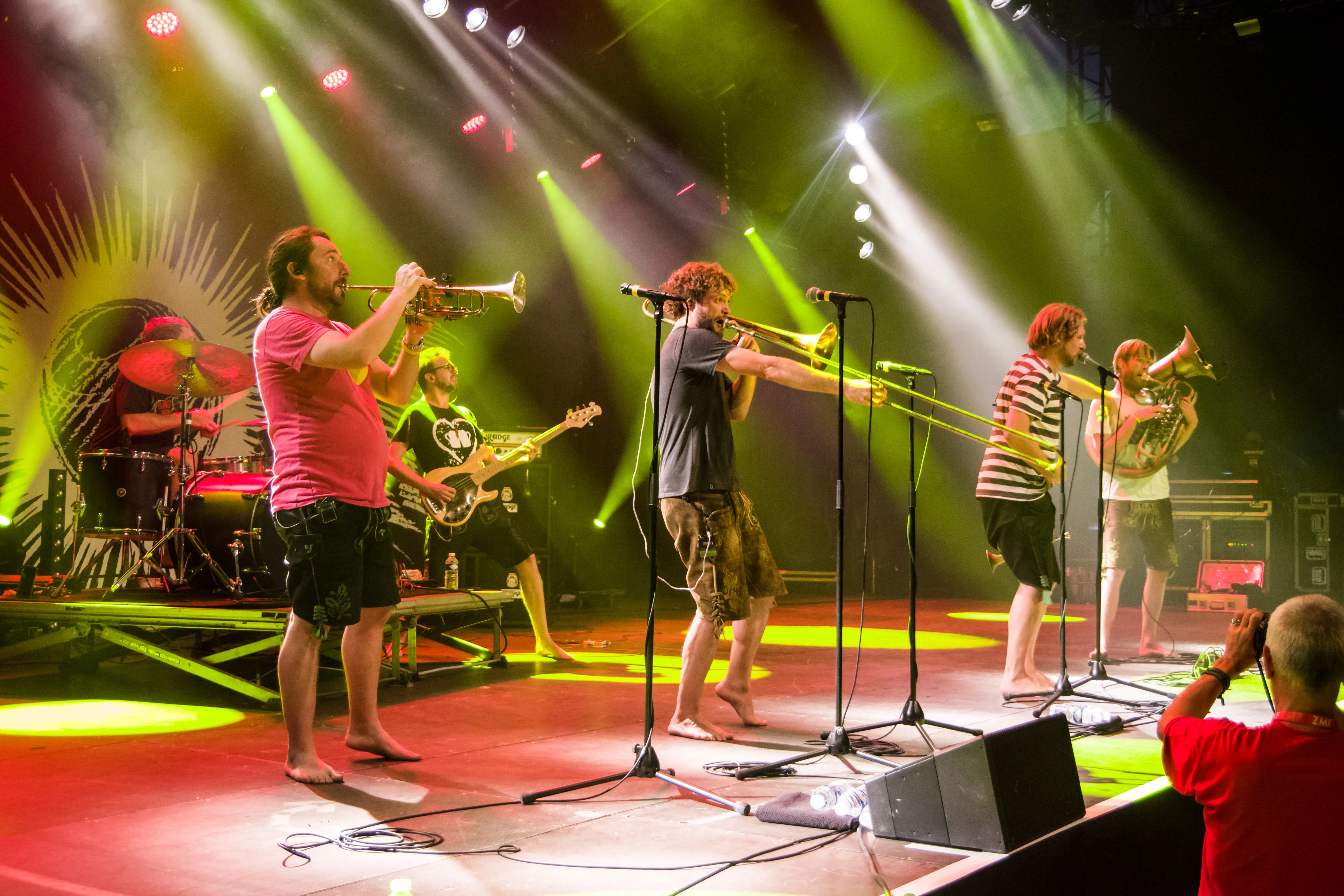
LaBrassBanda – Polka Party
LaBrassBanda brings exciting brass pop to Olympic Park Munich. Experience an unforgettable summer concert.
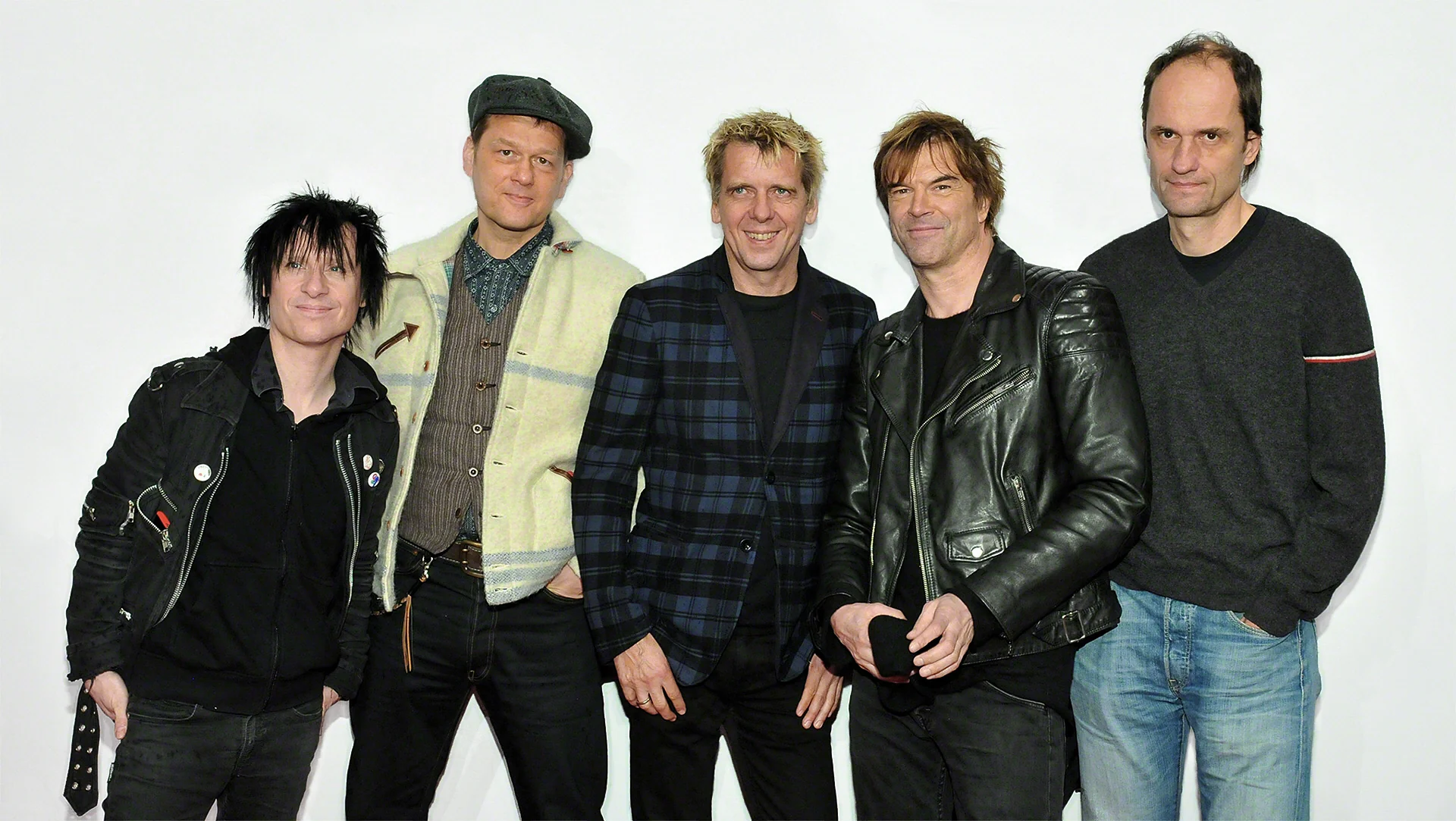
Die Toten Hosen Open-Air Concert
Don’t miss the farewell concert of Die Toten Hosen in Olympiapark Munich on July 8, 2026. Be there!
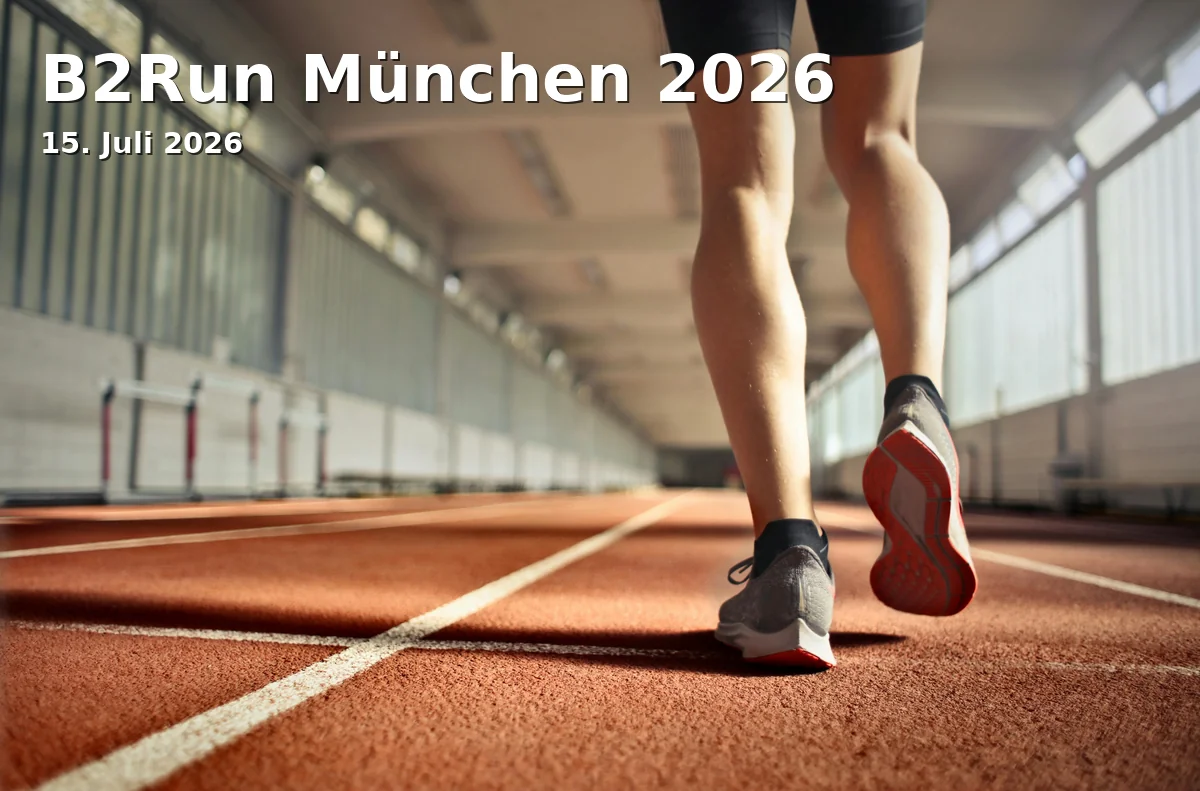
B2Run Munich 2026
Join the B2Run Munich 2026 and experience a unique connection of sport and team spirit in the Olympic Park.
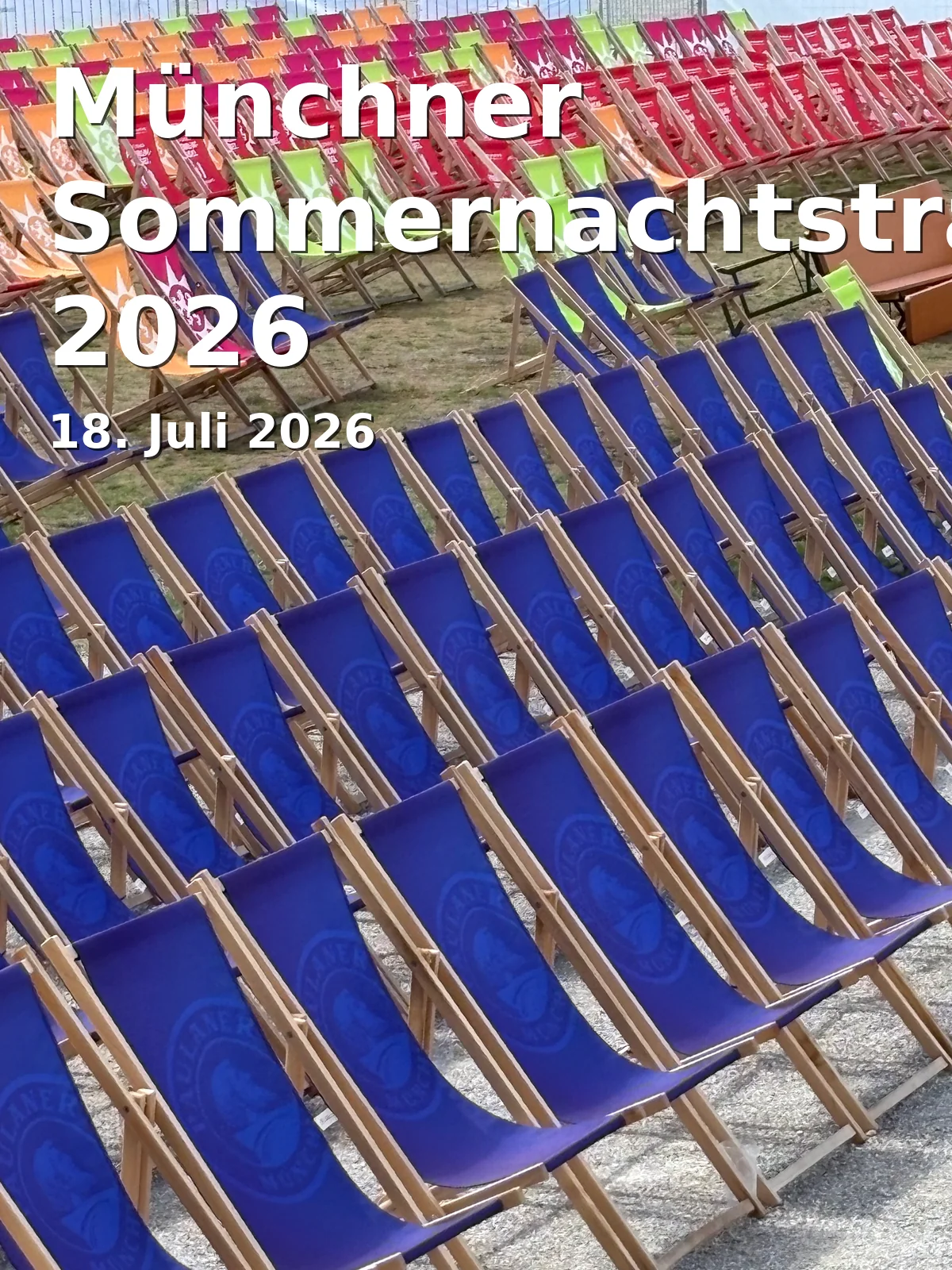
Munich Summer Night's Dream 2026
Experience live music and a spectacular fireworks display at the Munich Summer Night's Dream in Olympiapark.
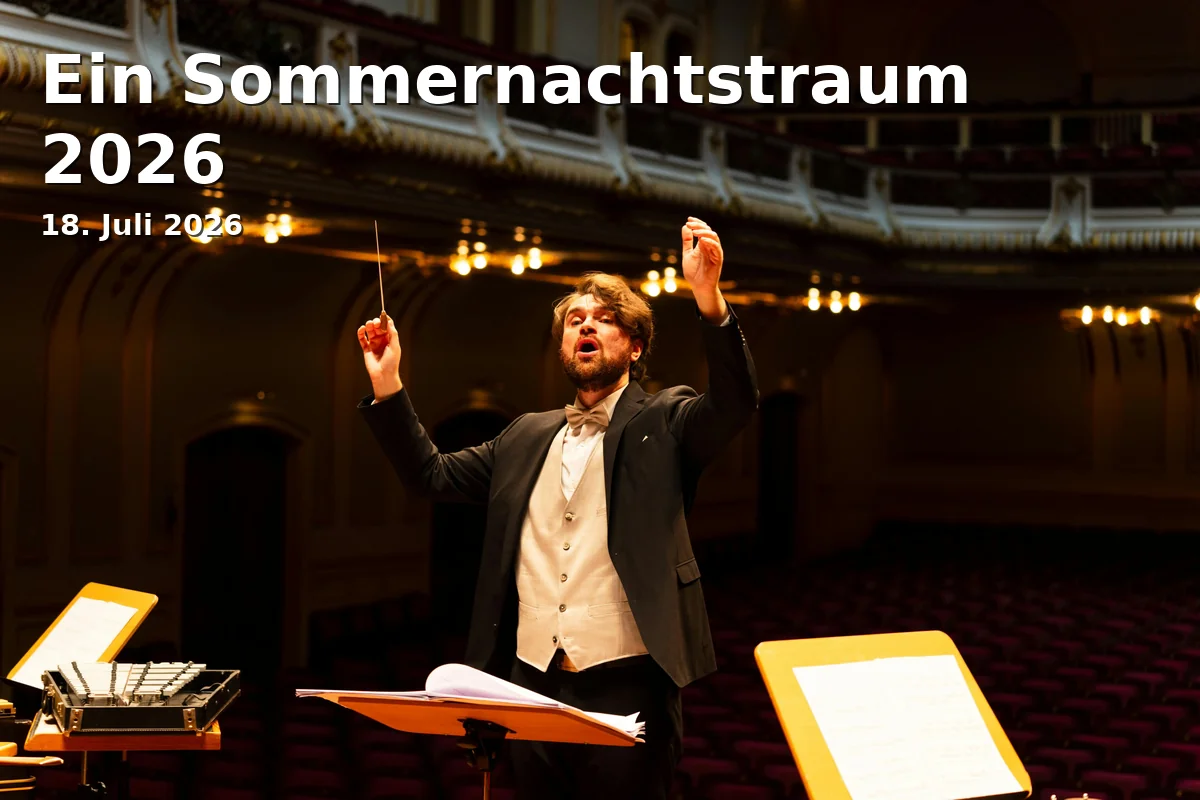
A Midsummer Night's Dream 2026
Experience an unforgettable open-air festival at the Olympiapark on July 18, 2026, with music and a fantastic fireworks display.
Frequently Asked Questions
Reviews
No reviews found