
Chie Hayakawa
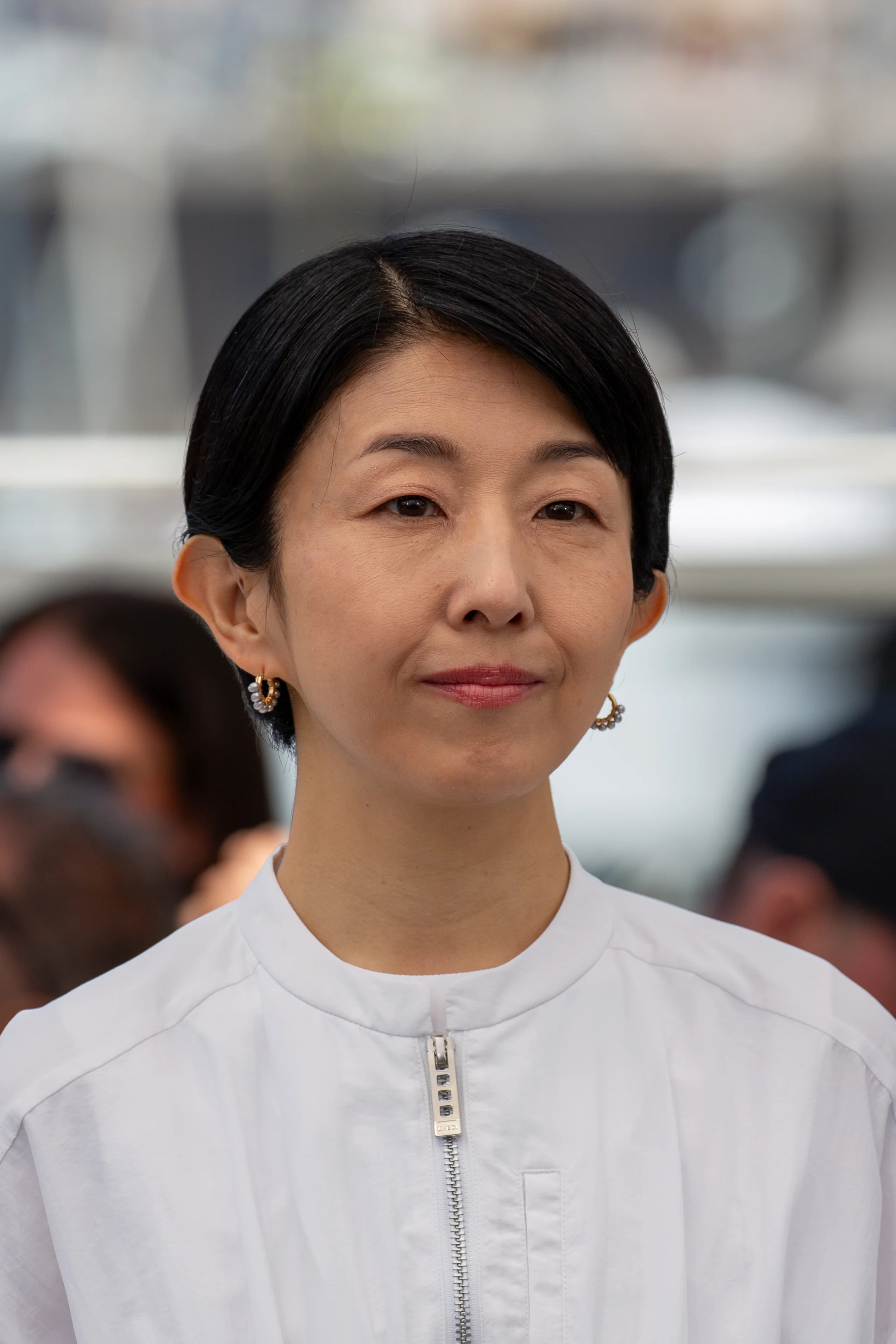
Image from Wikipedia
Image from Wikipedia
Chie Hayakawa: The Quiet Impact of Japanese Contemporary Cinema
A filmmaker who transforms intimate stories into grand cinematic images
Chie Hayakawa, born on August 20, 1976, in Tokyo, is one of the most prominent Japanese female directors of her generation. She gained international attention primarily with her feature films Plan 75 (2022) and Renoir (2025), which showcase her as a precise observer of human vulnerability and societal tensions. Her works combine a calm, controlled visual language with emotional intensity and an unflinching gaze at familial and social systems. ([de.wikipedia.org](https://de.wikipedia.org/wiki/Chie_Hayakawa?utm_source=openai))
Biography and Artistic Training
Hayakawa developed her approach to cinema not through a traditional mainstream career but through a personal, image-centered engagement with the medium. According to biographical profiles, she initially explored photography and attended a one-year film school in Tokyo while also working. This combination of visual discipline and hands-on training continues to shape her style today: focused, observational, and devoid of unnecessary pathos. ([allocine.fr](https://www.allocine.fr/personne/fichepersonne-681797/biographie/?utm_source=openai))
Her early works gained recognition primarily in festival circles rather than in large commercial cinema. Her graduation project, Niagara, was showcased at the Cannes Film Festival in 2014 and won the Grand Prix at the Pia Film Festival. Even at this stage, a filmmaker was emerging who worked with formal clarity, emotional restraint, and a strong sensitivity to atmospheric density. ([en.wikipedia.org](https://en.wikipedia.org/wiki/Chie_Hayakawa))
The Breakthrough: From Short Forms to International Feature Films
A pivotal milestone in Hayakawa's career was the short film Plan 75, created in 2018 as the first part of the omnibus film Ten Years Japan, which later became the basis for her feature film. This approach demonstrates a characteristic care typical of her working style: narratives are not simply adapted but thoughtfully and dramaturgically developed over years. A short form evolved into a full-length drama that resonated immediately on the grand festival stages. ([en.wikipedia.org](https://en.wikipedia.org/wiki/Chie_Hayakawa))
Plan 75 marked her international breakthrough in 2022. The film was screened at Cannes in the Un Certain Regard section and received a Special Mention from the Caméra d’Or Jury. Critics described the film as disturbing, quiet, and morally sharp; especially noted was Hayakawa's ability to translate a societal dilemma into a profoundly human story. ([scienceandfilm.org](https://scienceandfilm.org/articles/3496/director-interview-chie-hayakawas-plan-75?utm_source=openai))
Plan 75: Dystopia, Social Critique, and Quiet Emotion
Plan 75 addresses a radically contemporary question: How does an aging society cope with dignity, solitude, and economic pressure? The film envisions a near-future scenario in which older people are coerced by the state into a voluntary euthanasia program, intertwining this premise with a sober, almost documentary-like observation of daily life. This restraint is what enhances the film's impact: Hayakawa does not moralize loudly; she organizes empathy through precision. ([japantimes.co.jp](https://www.japantimes.co.jp/culture/2022/06/26/films/chie-hayakawa-plan-75/?utm_source=openai))
The critical reception emphasized that with her debut, Hayakawa not only addresses a topic but also makes an entire social climate visible. In reports and interviews, it was highlighted that she avoids sentimentality, instead utilizing controlled performances, clear visual dramaturgy, and a keen sense of silence. The result is a film that impresses less through spectacle and more through resonance. ([seventh-row.com](https://seventh-row.com/2023/04/19/chie-hayakawa-on-avoiding-sentimentality-in-plan-75/?utm_source=openai))
Renoir: Maturity, Memory, and the Broadening of Perspective
With Renoir, Hayakawa continued her journey in international auteur cinema in 2025. The work was officially selected for the competition of the Palme d'Or at Cannes and was presented as part of the festival's main section. Unifrance recorded the film's extensive international festival run, underscoring its exceptional reach and further solidifying Hayakawa's position in the global arthouse cinema. ([de.wikipedia.org](https://de.wikipedia.org/wiki/Renoir_%282025%29?utm_source=openai))
In festival information and accompanying texts, Renoir is revealed as a film that deals with memory, childhood, and emotional perception. Notably, with her second feature film, Hayakawa does not simply repeat the theme of mortality; instead, she shifts the perspective and refines her formal approach. This creates the image of a director who does not replicate her own work but consistently develops it further. ([en.wikipedia.org](https://en.wikipedia.org/wiki/Renoir_%282025_film%29?utm_source=openai))
Style: Precision, Stillness, and a Humane Visual Language
Hayakawa's signature lies in the tension between formal control and emotional openness. Her films rarely feel overloaded; rather, she builds scenes through lines of sight, pauses, and minimal gestures. This narrative style grants her works a unique authority, as the drama emerges not from assertion but from observation. ([seventh-row.com](https://seventh-row.com/2023/04/19/chie-hayakawa-on-avoiding-sentimentality-in-plan-75/?utm_source=openai))
Her expertise as a filmmaker is also evident in her visual direction. The themes are closely tied to societal realities while being meticulously stylized: light, rhythm, space, and performance form a cohesive whole. This allows Hayakawa to achieve a rare balance between social commentary and poetic intimacy, making her cinema relatable on an international scale. ([japantimes.co.jp](https://www.japantimes.co.jp/culture/2022/06/26/films/chie-hayakawa-plan-75/?utm_source=openai))
Career Highlights and Cultural Significance
Hayakawa's career exemplifies a new generation of Japanese female auteurs who are gaining worldwide recognition in festival cinema. With Niagara, Plan 75, and Renoir, she has created a filmography in a short time that is thematically cohesive and aesthetically distinct. Her works are not loud provocations but precisely rendered observations that translate social questions into personal experiences. ([en.wikipedia.org](https://en.wikipedia.org/wiki/Chie_Hayakawa))
This is where her cultural influence lies: Hayakawa makes it visible how cinema can spark discussions through empathy, formal awareness, and thematic consistency. She belongs to the directors whose authority stems from the precision of their staging. Those who follow her work experience not just a treatment of themes but a continuous artistic development with a clear aesthetic profile. ([scienceandfilm.org](https://scienceandfilm.org/articles/3496/director-interview-chie-hayakawas-plan-75?utm_source=openai))
Current Projects and Presence in the Present
With the Cannes selection of Renoir in 2025 and subsequent festival appearances in 2025 and 2026, Hayakawa remains firmly anchored at the center of the international arthouse circuit. Unifrance lists numerous festival stops for the film, including festivals in Europe, North America, and Asia, demonstrating the ongoing relevance of her work. It shows that Hayakawa is not a fleeting sensation but a director with long-term, growing influence. ([en.unifrance.org](https://en.unifrance.org/movie/60265/renoir))
Conclusion: Why Chie Hayakawa Remains So Exciting
Chie Hayakawa combines social sharpness with emotional depth and a remarkably disciplined visual language. Her films linger in memory because they anchor large themes in quiet moments and narrate moral complexity without simplification. Experiencing her cinema reveals not only precise directorial work but a distinctive artistic stance. ([scienceandfilm.org](https://scienceandfilm.org/articles/3496/director-interview-chie-hayakawas-plan-75?utm_source=openai))
This blend of seriousness, sensitivity, and formal clarity makes her one of the most interesting voices in contemporary Japanese cinema. Her work deserves attention because it captures human experience with rare precision and translates social reality into powerful cinematic imagery. Anyone who has the opportunity to see one of her films on the big screen should take it. ([theupcoming.co.uk](https://www.theupcoming.co.uk/2022/06/09/plan-75-an-interview-with-director-chie-hayakawa/?utm_source=openai))
Official Channels of Chie Hayakawa:
- Instagram: No official profile found
- Facebook: No official profile found
- YouTube: No official profile found
- Spotify: No official profile found
- TikTok: No official profile found
Sources:
- Wikipedia: Chie Hayakawa - Image and text source
- Wikipedia: Chie Hayakawa (English version)
- Festival de Cannes - Renoir
- Unifrance - Renoir
- AlloCiné - Chie Hayakawa: Biography
- Sloan Science & Film - Director Interview: Chie Hayakawa's Plan 75
- The Upcoming - Plan 75: An interview with director Chie Hayakawa
- Festival de Cannes - Official Festival Site 2025