
Daniela Mercury
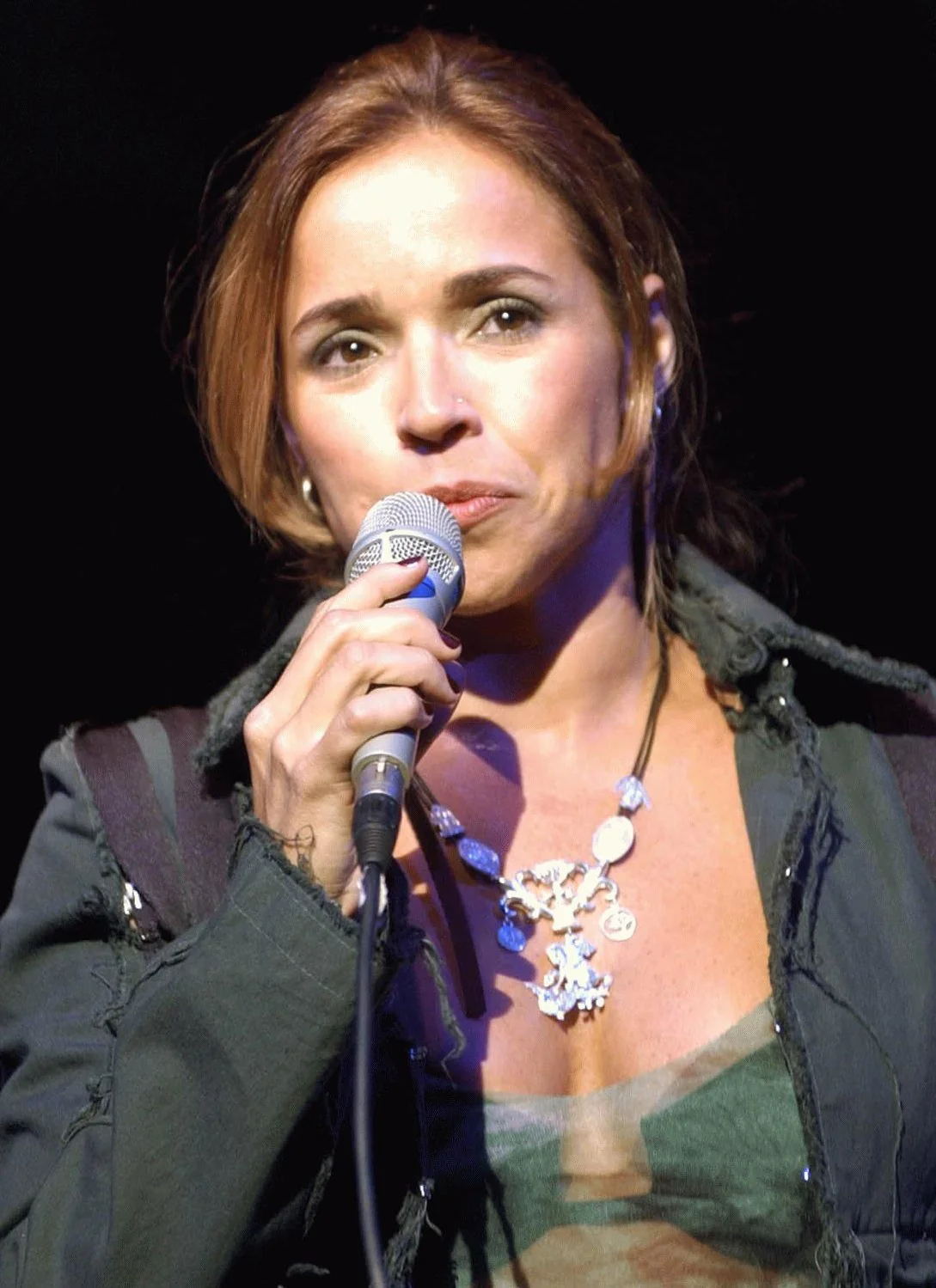
Image from Wikipedia
Image from Wikipedia
Daniela Mercury – the Shining Voice of Axé Music and an Icon of Brazilian Pop Culture
An Artist Biography Between Salvador, Carnival, and the Global Stage
Daniela Mercury, born on July 28, 1965, in Salvador da Bahia, is considered one of the defining voices of Brazilian music since the 1990s. The singer, songwriter, and performer embodies a musical career that brought the Axé sound from Bahia to an international audience. With her blend of MPB, pop, samba-reggae, and danceable carnival energy, she has developed a distinctive artistic identity. ([de.wikipedia.org](https://de.wikipedia.org/wiki/Daniela_Mercury?utm_source=openai))
Early Influences in Salvador and the Path to a Solo Career
Mercury's musical socialization began in a city whose cultural intensity continues to shape her style: Salvador is rhythm, body, street, and festival all at once. The official biography references her deep ties to Brazilian and Afro-Brazilian influences, as well as the central role of percussion in her work. Before launching her solo career, she gained experience as a backing vocalist in Gilberto Gil's band in the late 1980s. ([danielamercury.com.br](https://www.danielamercury.com.br/))
The early artistic breakthrough came with her second studio album O Canto da Cidade, released in 1991, which sold over two million copies in Brazil. This release not only marked a commercial success but also an aesthetic turning point: Axé Music became more internationally visible through Mercury and acquired a new, popular dramaturgy. Her voice combined the urban pulse of pop with the collective ecstasy of carnival. ([de.wikipedia.org](https://de.wikipedia.org/wiki/Daniela_Mercury?utm_source=openai))
The Breakthrough: O Canto da Cidade and the Invention of a Stage Persona
With O Canto da Cidade, Daniela Mercury permanently changed the perception of Brazilian dance music. The title track became a hit and a cultural signal: it popularized the energy of Bahia throughout Brazil and opened doors to major stages, TV shows, and international festivals. Reviews and biographies repeatedly emphasize that Mercury does not just sing, but creates an entire performative world. ([de.wikipedia.org](https://de.wikipedia.org/wiki/Daniela_Mercury?utm_source=openai))
Her stage presence is characterized by precision, movement intelligence, and a keen sense of collective euphoria. The official website describes her as an artist involved in all arrangements, exploring timbres and understanding each work as a conceptual endeavor. This closeness to production makes her career so exciting for music lovers: Mercury is not just an interpreter but a co-architect of her sound. ([danielamercury.com.br](https://www.danielamercury.com.br/))
Musical Development: From Samba-Reggae to Electronic Carnival-Pop
Daniela Mercury became an early reference figure for the connection of samba-reggae, Axé, and Brazilian pop modernity. The official biography highlights that percussion serves as the foundation of her work and that she consistently integrates the influences of Afro-Brazilian culture into her music. This is precisely where her strength lies: she translates regional rhythms into mass-appeal songs without losing their cultural depth. ([danielamercury.com.br](https://www.danielamercury.com.br/))
Her artist website also emphasizes several formats with which she pushed the boundaries of carnival sound: she infused electronic elements into Bahian Carnival, set a piano on the Trio Elétrico, and experimented with an operatic staging in street festivals. Such moments show how Mercury perceived Axé as an open format aimed at innovation and escalation. This is how she earned her reputation as the “Rainha da Axé Music.” ([danielamercury.com.br](https://www.danielamercury.com.br/))
Discography and Artistic Scope
Daniela Mercury's discography is extensive and documents more than three decades of continuous work. Her official website lists 19 CDs and seven DVDs; it also cites numerous key releases such as Daniela Mercury, Companhia Clic, O Canto da Cidade, Música de Rua, Feijão com Arroz, Elétrica, Sou de Qualquer Lugar, Carnaval Eletrônico, Balé Mulato, Canibália, Baile Barroco, Vinil Virtual, and Tri Eletro. This diversity showcases a career that has never been confined to a single sound. ([danielamercury.com.br](https://www.danielamercury.com.br/))
Not only the quantity is important but also the dramaturgy of the albums. Mercury often develops her works as complete sound and visual worlds, where production, costumes, choreography, and political gestures intertwine. This makes her discography a key archive of modern Brazilian pop and carnival aesthetics. ([danielamercury.com.br](https://www.danielamercury.com.br/))
Achievements, Awards, and International Recognition
Some of the greatest successes of her career include not only high sales figures but also remarkable international presence. The official website mentions 23 international tours as well as awards such as a Latin Grammy for Balé Mulato, six Prêmios TIM de Música, an APCA award, three Multishow Awards, and two VMB awards for Best Music Video and Photography. Such honors attest to her status as one of the most visible Brazilian artists outside the country. ([danielamercury.com.br](https://www.danielamercury.com.br/))
In April 2017, she received the Life Achievement Award and the Outstanding Album Award for Vinil Virtual at the International Portuguese Music Awards in Massachusetts. The website emphasizes that she was the only Brazilian recipient that year. This recognition fits her profile as an artist who consistently merges local roots with global reach. ([danielamercury.com.br](https://www.danielamercury.com.br/))
Critical Reception and Cultural Impact
In music press and expert portraits, Daniela Mercury frequently appears as a central architect of the Axé boom. World Music Central, AllMusic, and the official artist site describe her as a shaping figure who merges regional rhythms with pop, reggae, samba, and electronics. The image is clear: Mercury is not at the edge of a movement but at the center of a genre that has become internationally legible through her voice. ([allmusic.com](https://www.allmusic.com/artist/daniela-mercury-mn0000957520?utm_source=openai))
Her societal impact is also significant. The official website points to her engagement with the Instituto Sol da Liberdade and the Caravana da Música, which aim to empower children and youth through art, education, and cultural identity. Additionally, her long-standing role as a UNICEF ambassador and her presence in political and cultural debates in Brazil intertwine artistic authority with social responsibility. ([danielamercury.com.br](https://www.danielamercury.com.br/))
Current Projects and New Impulses in 2024 and 2025
Even today, Daniela Mercury remains active and influential. A report from Terra in October 2025 mentions the album Cirandaia, describing it as a work that reflects over 40 years of Axé Music, honors Brazilian pop music, and simultaneously addresses themes such as AI, national identity, and politics. This shows that Mercury continues to view her art as a commentary on the present. ([terra.com.br](https://www.terra.com.br/diversao/gente/novo-album-de-daniela-mercury-discute-ia-e-autoestima-nacional%2C1dbf8ac7fb2a76dff26a268bd5e47343cfpaa1im.html?utm_source=openai))
In parallel, she has remained present in Carnival and public music formats. The official website highlights her ongoing role in the Crocodilo Block, with which she has been associated since 1996, as well as her continued presence as a prominent voice of the Bahia Carnival. This ongoing artistic development is crucial: Mercury is not an archive but a presence. ([danielamercury.com.br](https://www.danielamercury.com.br/))
Why Daniela Mercury Continues to Fascinate
Daniela Mercury is intriguing because she embodies a rare duality: mass appeal and musical independence. Her career combines chart success, cultural authority, and a clearly identifiable signature based on arrangement, rhythm, and performance. When one listens to her music, they not only experience hits but a whole Brazilian sound story in motion. ([danielamercury.com.br](https://www.danielamercury.com.br/))
This power is most vividly unleashed in live performances. Daniela Mercury is among the artists whose stage presence expands the song, condenses the space, and moves the audience collectively. Those who witness her show do not see Axé Music as a genre from the past, but as a vibrant, contemporary art form. ([danielamercury.com.br](https://www.danielamercury.com.br/))
Official Channels of Daniela Mercury:
- Instagram: https://www.instagram.com/danielamercury/
- Facebook: https://www.facebook.com/DanielaMercury/
- YouTube: https://www.youtube.com/channel/UCgRPqm2sq6_4VZPs6-6fYDw
- Spotify: no official profile found
- TikTok: no official profile found
Sources:
- Daniela Mercury – Official Website
- Wikipedia – Daniela Mercury (de)
- Wikipedia – Daniela Mercury (pt)
- AllMusic – Daniela Mercury Biography
- World Music Central – Artist Profiles: Daniela Mercury
- Terra – Daniela Mercury Launches Cirandaia
- Wikidata – Daniela Mercury
- NPO Radio 2 – Daniela Mercury
- Wikipedia: Image and Text Source