
Dionysos
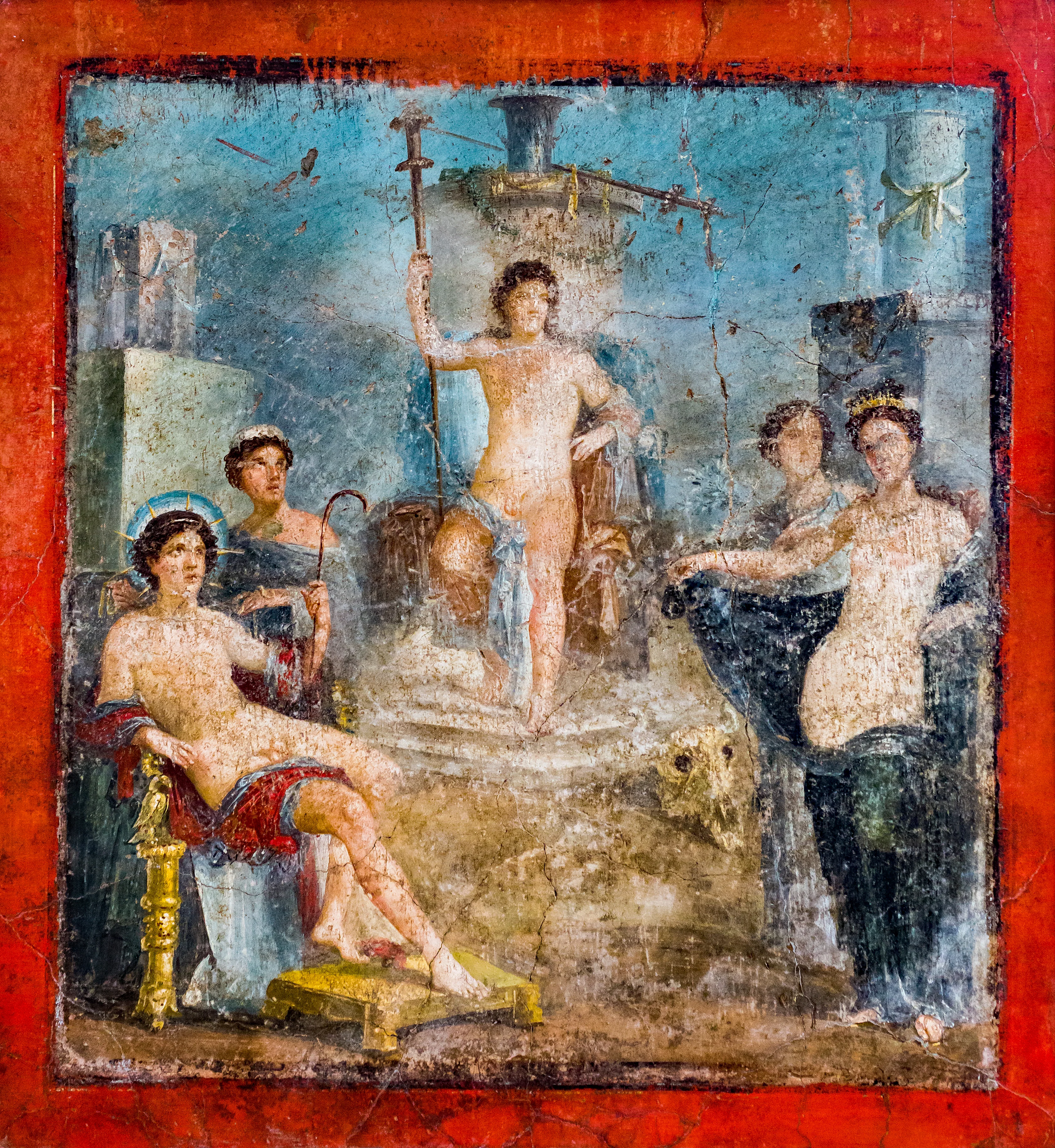
Image from Wikipedia
Image from Wikipedia
Dionysus: The God of Ecstasy, Wine, and Transformation
Dionysus Between Intoxication, Ritual, and Cultural Radiance
Dionysus is one of the most fascinating figures in Greek mythology: a god of wine, fertility, joy, madness, and ecstasy, closely associated with theater, ritual, and collective transcendence. In ancient times, he was also referred to as Bacchus, Bromios, or Lysios; his worship combined sensual pleasure with religious intensity and dramatic symbolism. This very tension makes Dionysus one of the most impactful figures in European cultural history to this day. ([en.wikipedia.org](https://en.wikipedia.org/wiki/Dionysus?utm_source=openai))
Mythical Origin and Divine Role
Tradition describes Dionysus as the son of Zeus and Semele; his cult and myths were connected to fertility, viticulture, and ecstatic rites. Early on, he was regarded as a god whose retinue appeared with noise, music, and exuberant movement, explaining his epithet Bromios, the "Loud One." His religious role extended far beyond wine: he represented the breaking of order, trance-like experiences, and the power of excess. ([en.wikisource.org](https://en.wikisource.org/wiki/1911_Encyclop%C3%A6dia_Britannica/Dionysus?utm_source=openai))
From the Bearded God to the Youthful Symbol of Beauty
In art history, Dionysus appears as a mutable figure. In early Greek art, he often appeared as a bearded older man; from the Hellenistic period onwards, the image of a beardless, femininely styled youth became prominent. This change also shaped literature, especially after Euripides’ Bacchae, in which Dionysus appears as a mesmerizingly beautiful yet sinister god. The transformation of his iconography reflects not only a history of style but also a shift in cultural perception. ([en.wikipedia.org](https://en.wikipedia.org/wiki/Dionysus?utm_source=openai))
Dionysus and the Birth of Tragedy
Dionysus is inseparably linked to ancient theater. The annual Dionysia was one of the most important festivals in Greek cultural life, and his name remained closely associated with tragedy and performance. The Metropolitan Museum refers to cult venues where music competitions were held in his honor; this underscores how closely ritual, performance, and public art were intertwined in the Dionysian cosmos. Thus, Dionysus is not only the god of intoxication but also a patron of the stage. ([metmuseum.org](https://www.metmuseum.org/art/collection/search/254996?utm_source=openai))
Musical Development, Sound Space, and Cultural Impact
Those who examine Dionysus from a cultural history perspective recognize a figure that wanders through the history of music like a motif. Ancient texts already connect him with song, dance, and ecstatic movement; later interpretations see him as an embodiment of creative transcendence and aesthetic freedom. His influence ranges from sacred songs to opera, and into modern art theory, where the "Dionysian" is understood as a counterpoint to control and rationality. Thus, Dionysus became a symbol of ecstasy, improvisation, and creative abundance. ([encyclopedia.com](https://www.encyclopedia.com/philosophy-and-religion/ancient-religions/ancient-religion/dionysus?utm_source=openai))
Reception in Literature, Philosophy, and Modern Art
The cultural reception history of Dionysus is exceptionally rich. From antiquity through Nietzsche to modern literature and art, he appears as a cipher for instinct, dissolution, and transformation. Numerous sources emphasize that his cult was not only religious but also socially productive: he represents the temporary suspension of boundaries, communal experience, and the power of festivity. Thus, Dionysus remains relevant today as a symbolic figure for artistic freedom and emotional intensity. ([en.wikipedia.org](https://en.wikipedia.org/wiki/Cult_of_Dionysus?utm_source=openai))
Discography of Antiquity? Why Dionysus is Still “Published” Today
In a strict sense, Dionysus does not have a discography, but his "works" live on in countless texts, artworks, rituals, and later adaptations. The most important milestones of his reception range from Homeric and tragic sources to Hellenistic representations and modern interpretations of the Bacchic and Dionysian. It is this ongoing reinterpretation that makes him one of the most enduring figures in cultural history. His "classics" are not albums, but myths, dramas, and images that are continuously re-read. ([en.wikisource.org](https://en.wikisource.org/wiki/1911_Encyclop%C3%A6dia_Britannica/Dionysus?utm_source=openai))
Current Projects and Publications
As a mythological figure, there are no current music projects, albums, or tours in the modern sense for Dionysus. The deity's contemporary presence is more evident in academic publications, museum contexts, and artistic reinterpretations. The ongoing engagement with Dionysus in research and art confirms his unbroken relevance as a cultural projection figure. ([en.wikipedia.org](https://en.wikipedia.org/wiki/Dionysus?utm_source=openai))
Voices of the Fans
No official profile found.
Conclusion: Why Dionysus Continues to Captivate Today
Dionysus remains intriguing because he embodies contradictions: ecstasy and order, intoxication and ritual, beauty and menace, music and myth. Hardly any other figure from antiquity has shaped culture, theater, visual art, and literature so profoundly. Encountering Dionysus means simultaneously encountering the origin of that artistic energy that shifts boundaries and sets community in motion. Experiencing him live today is only possible in a metaphorical sense – but in museum spaces, on stages, and in literature, he continues to unfold his power with full force. ([en.wikipedia.org](https://en.wikipedia.org/wiki/Dionysus?utm_source=openai))
Official Channels of Dionysus:
- Instagram: no official profile found
- Facebook: no official profile found
- YouTube: no official profile found
- Spotify: no official profile found
- TikTok: no official profile found
Sources:
Upcoming Events
Dionysos – Theater Plays Glyptothek
Dionysos
Dionysos
Dionysos – Theater Plays Glyptothek Munich 2026
Dionysus in the Glyptothek Munich
Dionysos
Dionysos
Dionysus
Dionysus - Theater Plays Glyptothek Munich 2026