
Maria Furtwängler
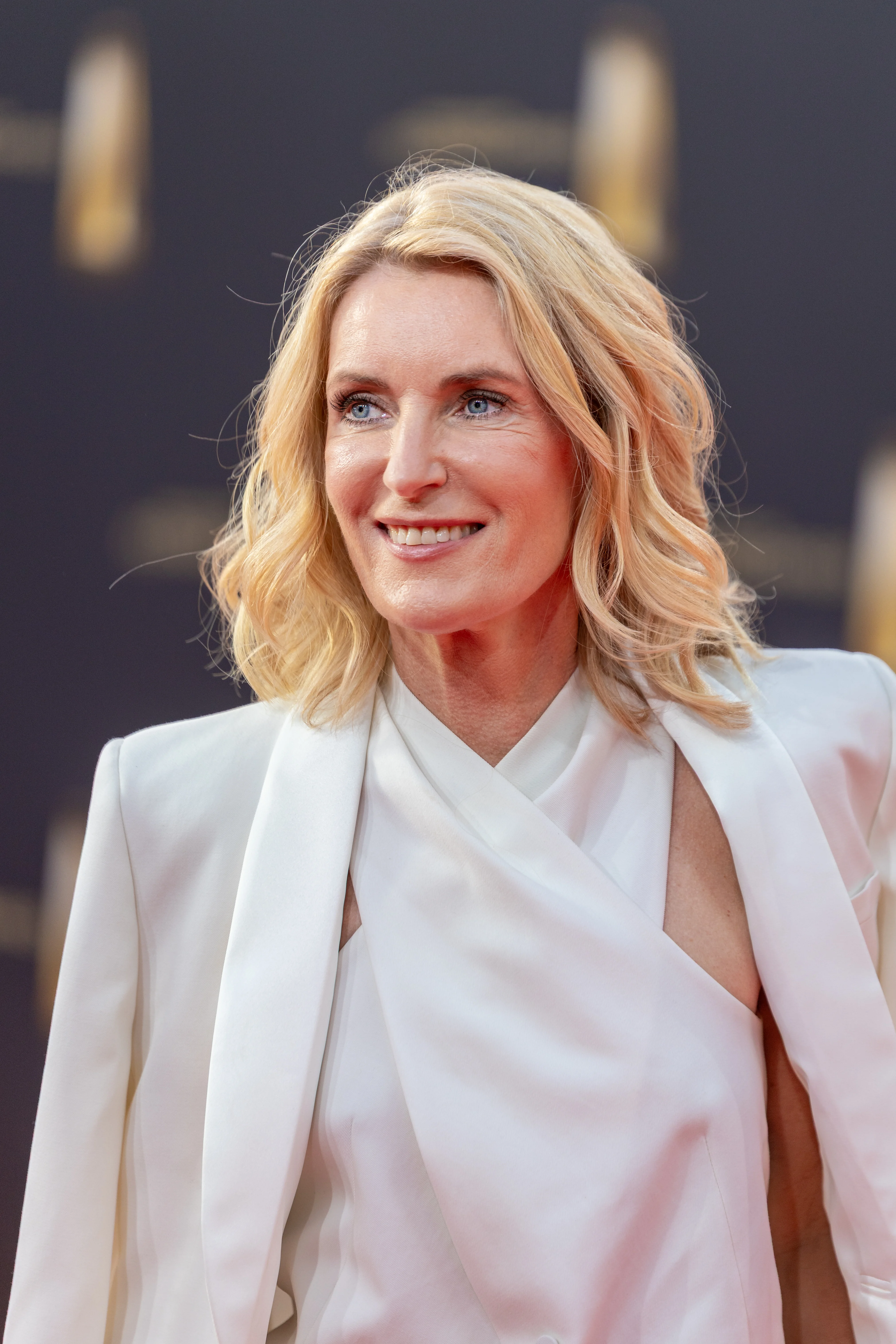
Image from Wikipedia
Image from Wikipedia
Maria Furtwängler – Between "Tatort", Social Engagement and an Exceptionally Versatile Career
One of the Defining German Television Personalities of Her Generation
Maria Furtwängler, born on September 13, 1966, in Munich, has been one of the most prominent faces on German television for decades. She is best known as Charlotte Lindholm in “Tatort”, a character she has been shaping since 2002 and whose development, according to her, she has significantly influenced. Before dedicating herself fully to acting in 2001, she worked as a doctor – a dual career that continues to lend depth and credibility to her public persona. ([de.wikipedia.org](https://de.wikipedia.org/wiki/Maria_Furtw%C3%A4ngler))
Biographical Roots and the Path to the Stage
Furtwängler comes from a family where art, public life, and intellectual discipline are closely interwoven: her mother, Kathrin Ackermann, is an actress, and her father, Bernhard Furtwängler, is an architect. Additionally, the family is known for its connection to conductor Wilhelm Furtwängler, which adds historical cultural weight to the name. From an early age, Maria Furtwängler moved in an environment where stage, media, and artistic work appeared not as exceptions but as a lived normality. ([de.wikipedia.org](https://de.wikipedia.org/wiki/Maria_Furtw%C3%A4ngler))
She gained her first experiences in front of the camera at a young age before initially opting for a medical degree. She studied human medicine and worked as a doctor before putting her medical career on hold in favor of acting. This decision did not mark a rupture but rather a concentration of her personality: analytical precision, empathy, and psychological insight have since merged in her stage presence and roles. ([24-bilder.de](https://www.24-bilder.de/upload/mixed/5669c76433eaeDWIGR_Presseheft.pdf))
The Breakthrough with “Eine glückliche Familie” and the Rise to TV Icon
The first big public success came with the television series “Eine glückliche Familie”, in which she participated from 1986 to 1990. This early main presence in a series format brought her visibility and laid the foundation for a remarkable television career that became firmly embedded in the German public canon. Subsequently, she played roles in comedies, romantic melodramas, and crime formats, demonstrating an unusual stylistic range. ([maria-furtwaengler.de](https://www.maria-furtwaengler.de/film.html))
Her position in the crime genre became particularly strong, which she filled with sovereign, often controlled intensity. Productions such as “Der Alte”, “Siska”, “Donna Leon”, or later “Tatort” episodes showed how precisely she can switch between emotional closeness and cool investigative authority. Her definitive breakthrough as a national television figure came in 2002 with Charlotte Lindholm, an investigator who convinces through her idiosyncrasy, toughness, and inner vulnerability. ([imdb.com](https://www.imdb.com/name/nm0299161/?showAllCredits=true&utm_source=openai))
Charlotte Lindholm: A Character with Stance and Cultural Reach
Charlotte Lindholm is among the most distinctive female investigator figures in German television. Maria Furtwängler has been portraying her for nearly 25 years in Hanover and at various locations in Lower Saxony; NDR describes the role as central to the series and emphasizes that Furtwängler has significantly shaped the character's development. This co-authorship of the role is particularly appealing: Lindholm is not merely a function in the crime apparatus, but a character study on authority, loneliness, and moral precision. ([ndr.de](https://www.ndr.de/kultur/film/maria-furtwaengler-fuer-neuen-tatort-koenig-in-gelb-vor-der-kamera%2Ctatort-270.html))
Even in 2024 and 2025, the character remains highly relevant. NDR reported on filming for new cases, including “Letzte Ernte” and “König in Gelb”, with “König in Gelb” scheduled to air in fall 2026. The new episode links a criminal case with human drama, focusing on the theme of dementia, thereby connecting to Furtwängler's interest in socially relevant topics. ([ndr.de](https://www.ndr.de/kultur/film/Tatort-Maria-Furtwaengler-dreht-neue-Folge-im-Alten-Land%2Ctatortlindholm102.html?utm_source=openai))
Musical Resonance Without a Music Career: Why This Aspect Remains Exciting
Maria Furtwängler is not a musician in the strict sense, and an independent discography is not documented in the available sources. Nevertheless, her name is of interest to musically inclined readers because her work in roles can often be described with musical or rhythmic precision: in timing, pauses, tension build-up, and presence. Those who pay attention to sound dramaturgy can recognize in her acting an almost musical structure of variation, crescendo, and controlled reduction. ([maria-furtwaengler.de](https://www.maria-furtwaengler.de/film.html))
A particularly enlightening moment is her portrayal of the rock musician Pola in “Nachts baden” in 2019. Although this does not establish a musical career, the role does demonstrate her willingness to merge pop culture, family conflict, and performative identity. Equally interesting is her involvement as a pianist in “Schicksalsjahre” and her repeated work on stories that resonate with music, social environments, or cultural self-images. ([maria-furtwaengler.de](https://www.maria-furtwaengler.de/vita.html?utm_source=openai))
Artistic Development Across Film, Stage, and Social Intervention
After years of television presence, Furtwängler expanded her repertoire to include cinema and stage. In 2017, she took on a leading role for the first time, followed by the film comedy “100 Dinge” in 2018 and “Die Bekenntnisse des Hochstaplers Felix Krull” in 2021. This selection shows a conscious artistic opening: moving away from the one-dimensional investigator role toward characters that allow for comedy, ambiguity, and social masks. ([maria-furtwaengler.de](https://www.maria-furtwaengler.de/vita.html?utm_source=openai))
Her work in front of the camera is accompanied by a clear stance. In 2025, ZDF described her as an actress, producer, and activist, highlighting her perspectives on gender equality. NDR also emphasized her social dimension when reporting on her experiences with dementia in her own family and the new “Tatort” episode “König in Gelb”. Thus, her career remarkably combines art, responsibility, and public life. ([zdf.de](https://www.zdf.de/video/interviews/masterclass-100/masterclass-maria-furtwaengler-100))
Engagement, Authority, and Public Impact
Furtwängler's authority derives not only from her acting experience but also from her long-standing social engagement. She is the president of the board of German Doctors, co-founder of DLDwomen, and co-initiator of the MaLisa Foundation with her daughter Elisabeth Furtwängler, which advocates for women and girls and against gender-specific discrimination. The foundation has also initiated studies on the portrayal of women and men in the media, thereby highlighting structural inequalities. ([maria-furtwaengler.de](https://maria-furtwaengler.de/engagement.html?utm_source=openai))
Additionally, she is active in the Philippines, where MaLisa Home protects girls from human trafficking and provides them with education and support. For her engagement, she has received several awards, including the Federal Cross of Merit, the Bavarian Order of Merit, the Leibniz Ring Hannover, and the Karl Kübel Prize. These accolades underline that her public role extends far beyond acting and television. ([maria-furtwaengler.de](https://maria-furtwaengler.de/engagement.html?utm_source=openai))
Critical Reception and Cultural Influence
In the German media landscape, Maria Furtwängler is regarded as a reliable, intelligent, and assertive presence, providing stability and profile to public broadcasting crime shows. NDR and ZDF describe her work as multifaceted and socially relevant, while earlier portraits depict her journey from doctor to actress as a remarkable reorientation. Her cultural reach arises from the combination of popularity, seriousness, and the ability to not only play roles but to shape them. ([ndr.de](https://www.ndr.de/kultur/film/maria-furtwaengler-ein-stueck-weit-verliert-man-geliebten-menschen%2Ctatortfurtwaengler-100.html))
Particularly in the “Tatort” universe, she has established a female investigator figure that defines itself not through glamour but through stance. This keeps her perennially interesting to the audience: Charlotte Lindholm symbolizes precision, autonomy, and a rare mix of toughness and vulnerability. This character has had a lasting influence on the portrayal of female investigative work in German television. ([ndr.de](https://www.ndr.de/kultur/film/maria-furtwaengler-fuer-neuen-tatort-koenig-in-gelb-vor-der-kamera%2Ctatort-270.html))
Conclusion: An Artist with Depth, Stance, and Charisma
Maria Furtwängler fascinates through the rare connection of medical education, acting authority, and social engagement. Her career demonstrates how consistent role work and public responsibility create a lasting cultural presence. Those who appreciate German television history, strong characters, and clear stances will find in her one of the most exciting personalities in the country. Those who experience her live, in new films, or in “Tatort” encounter an artist who imbues every scene with substance and presence. ([maria-furtwaengler.de](https://www.maria-furtwaengler.de/vita.html?utm_source=openai))
Official Channels of Maria Furtwängler:
- Instagram: No official profile found
- Facebook: No official profile found
- YouTube: No official profile found
- Spotify: No official profile found
- TikTok: No official profile found
Sources:
- Maria Furtwängler – Official Website
- Maria Furtwängler – Biography
- Maria Furtwängler – Filmography
- Maria Furtwängler – Engagement
- NDR – Maria Furtwängler for the New "Tatort" "König in Gelb"
- NDR – Maria Furtwängler on Dementia and the Loss of Loved Ones
- ZDF – Women in Film: Maria Furtwängler
- Wikipedia – Maria Furtwängler