
Mona Seefried
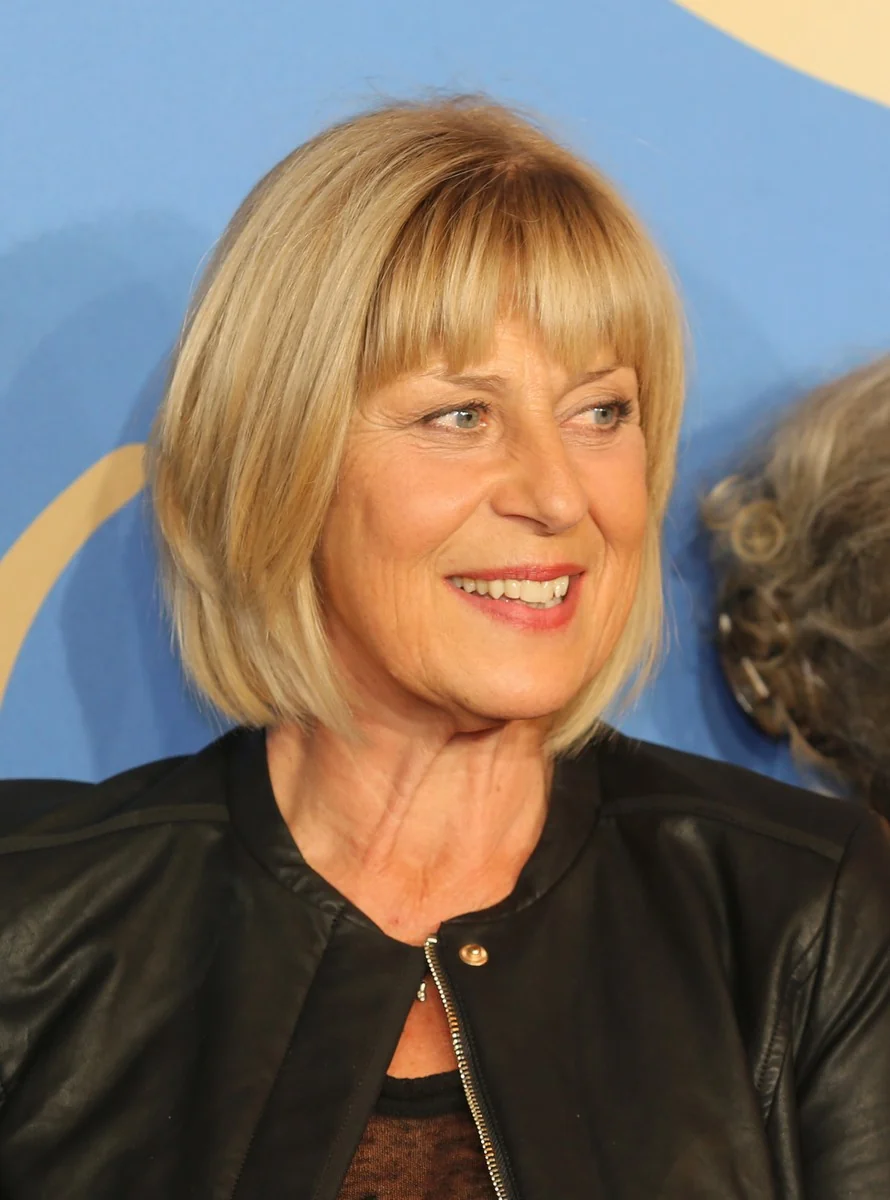
Image from Wikipedia
Image from Wikipedia
Mona Seefried – The Elegant Character Actress Between Stage, Television, and Personal Charisma
An Austrian actress with a background in a musical family and an extraordinary career
Mona Seefried is one of those Austrian artists whose name remains consistently associated with reliability, presence, and versatile acting skills over decades. Born on March 30, 1957, in Vienna and known in civil life as Mona Seefried-Funck, she hails from a highly cultured environment: she is the daughter of opera singer Irmgard Seefried and violinist Wolfgang Schneiderhan. This background fostered an artistic awareness early on, which is reflected not only in her acting training but also in her stage presence and her keen sense for rhythm, expression, and depth of character. ([de.wikipedia.org](https://de.wikipedia.org/wiki/Mona_Seefried))
Seefried was never a quick-effect artist but rather an interpreter with weight and contour. Her career has developed across theater, television, and film, continually opening up new roles while simultaneously staying true to a clear artistic vision. This combination of discipline, versatility, and longevity makes her name resonate significantly with a wide audience. ([de.wikipedia.org](https://de.wikipedia.org/wiki/Mona_Seefried))
Early Years, Training, and Entry into the Professional Stage
At just 15 years old, Mona Seefried passed the entrance examination at the renowned Max Reinhardt Seminar in Vienna, one of the foremost training institutions for acting in the German-speaking world. There, she studied not only acting but also singing, classical dance, as well as jazz and show dance. This broad training explains why her later work possesses a unique lightness and physical precision, both in classical theater contexts and television formats. ([de.wikipedia.org](https://de.wikipedia.org/wiki/Mona_Seefried))
Just two years after the entrance exam, Hans Hollmann engaged her at the Basel Stadttheater, where she stayed for three years. After that, she moved to the Thalia Theater in Hamburg before switching to the State Theater in Berlin under Boy Gobert. These early stages show a remarkably consistent development: Seefried advanced not by chance but through practical theater experience, role work, and ensemble collaboration into the forefront of her craft. ([landgraf.de](https://landgraf.de/biografien/mona-seefried/))
Theater as the Foundation of a Long Career
Theater has always been more than just a side field for Mona Seefried. In Berlin, she guest-starred at the Deutsche Oper Berlin in “Orpheus in the Underworld” and played Irma la Douce in the respective musical at the Theater des Westens. These engagements demonstrate that her artistic range transcends pure acting, also encompassing musical-theatrical forms. ([landgraf.de](https://landgraf.de/biografien/mona-seefried/))
In 1986, she joined the Bavarian State Theater in Munich, where she embodied the role of Johanna Krain in the premiere of Lion Feuchtwanger’s “Der Erfolg” under Frank Baumbauer. Later, she remained closely linked to theater in various configurations, also performing in solo programs and newer stage productions. Her continuous return to the stage showcases a work style based on immediate contact with the audience and vibrant role presence. ([landgraf.de](https://landgraf.de/biografien/mona-seefried/))
Television Career, Series Presence, and Broad Audience
Starting in the mid-1980s, Mona Seefried also became familiar to a wide television audience. She appeared in numerous series, including “Praxis Bülowbogen,” “Marienhof,” “Liebling Kreuzberg,” “Der Fahnder,” “Schloßhotel Orth,” “Um Himmels Willen,” and “SOKO Wien.” These roles not only mark a long-standing TV presence but also highlight her unique ability to credibly and durably develop characters within serialized storytelling formats. ([de.wikipedia.org](https://de.wikipedia.org/wiki/Mona_Seefried))
Her greatest fame came with the role of Charlotte Saalfeld in the ARD telenovela “Sturm der Liebe,” a role she played continuously from September 2005 until May 2018. The character became a central anchor of the series, making Seefried a familiar face on German and Austrian early evening television for years. Her departure was announced in March 2018; the last episode featuring Charlotte Saalfeld aired in May 2018. ([de.wikipedia.org](https://de.wikipedia.org/wiki/Mona_Seefried))
Current Projects and New Artistic Chapters
Beyond her well-known television roles, Mona Seefried has remained active and visible. In 2023, she presented “Gestatten, Mona Seefried,” her first solo program in Germany and Austria, bringing her personality to the stage in her own way. The production showcases an artist who is not merely managing her long career but continuing to develop it and exploring new forms of expression. ([landgraf.de](https://landgraf.de/biografien/mona-seefried/))
During the same period, she also focused on further film and stage projects, including the feature film “Griechenland – Der laufende Huhn!” and “4000 Tage” by Peter Quilter, as well as “James Brown trug Lockenwickler.” This selection refers to an actress who continues to navigate between theater, cinema, and television, consistently emphasizing strong narrative materials. ([landgraf.de](https://landgraf.de/biografien/mona-seefried/))
Style, Expression, and Artistic Development
Mona Seefried's artistic style is characterized by a unique blend of formal security and emotional grounding. Her training in singing and dance, combined with early stage practice, created a strong physical and vocal foundation that is clearly noticeable in her roles. Especially in the interplay of language, gesture, and timing, her stage presence emerges as controlled and precise rather than loud. ([de.wikipedia.org](https://de.wikipedia.org/wiki/Mona_Seefried))
As an actress, she embodies characters that often balance elegance, inner strength, and subtle irony. This quality makes her interesting to both theater directors and television productions that rely on continuity and recognizability. Her career illustrates how durable a career can be when technique, experience, and understanding of roles come together. ([de.wikipedia.org](https://de.wikipedia.org/wiki/Mona_Seefried))
Cultural Influence and Significance in the German-speaking World
Seefried's cultural impact lies not just in individual successes but in the duration of her visibility. She represents a generation of actresses who bridged the gap between public television, theatrical art, and popular series formats. Especially in a media landscape where many careers shine quickly and fade just as fast, her continuity is remarkable. ([de.wikipedia.org](https://de.wikipedia.org/wiki/Mona_Seefried))
Additionally, her familial connection to classical music: as the daughter of two significant musicians, she carries a cultural heritage that visibly expands her artistic sensitivity. Even though Mona Seefried is not a musician in the strict sense, her career resonates with a proximity to musical form, discipline, and stage, adding depth to her work. This makes her a personality whose significance reaches far beyond individual roles. ([de.wikipedia.org](https://de.wikipedia.org/wiki/Mona_Seefried))
Filmography and Key Milestones at a Glance
Notable points in her film and television career include early appearances in productions like “Praxis Bülowbogen,” later series roles, and her long-standing presence in “Sturm der Liebe.” This profile is complemented by films and television productions like “Single Bells,” “Palmenbaum,” “Hartwig Seeler – Gefährliche Erinnerung,” “Griechenland,” and other titles that showcase her stylistic range. The filmography reveals an artist who repeatedly shifts between ensemble work and prominent individual roles. ([de.wikipedia.org](https://de.wikipedia.org/wiki/Mona_Seefried))
It is particularly important that Seefried can never be reduced to a single role image. Whether as a recurring series character, in film comedies, in dramatic works, or on the theater stage, she contributes a clear professional signature. This versatility is a fundamental part of her appeal and explains her lasting presence in the German-speaking cultural sphere. ([de.wikipedia.org](https://de.wikipedia.org/wiki/Mona_Seefried))
Conclusion: Why Mona Seefried Remains Intriguing
Mona Seefried is intriguing because she embodies a classical acting career with remarkable consistency and dignity. She combines background, training, ensemble experience, and media visibility into an artistic profile that appeals to both specialists and the broader television audience. Those who follow her work experience an actress who does not just play roles but precisely shapes them and brings them to life. ([de.wikipedia.org](https://de.wikipedia.org/wiki/Mona_Seefried))
Her connection of theater, television, and personal stage authority makes her an artist to be experienced live. Mona Seefried represents experience, cultural depth, and sovereign presence – qualities that resonate even more directly on stage than on screen. ([landgraf.de](https://landgraf.de/biografien/mona-seefried/))
Official Channels of Mona Seefried:
- Instagram: No official profile found
- Facebook: No official profile found
- YouTube: No official profile found
- Spotify: No official profile found
- TikTok: No official profile found
Sources:
Upcoming Events
The Visit of the Old Lady