Philipp Walulis
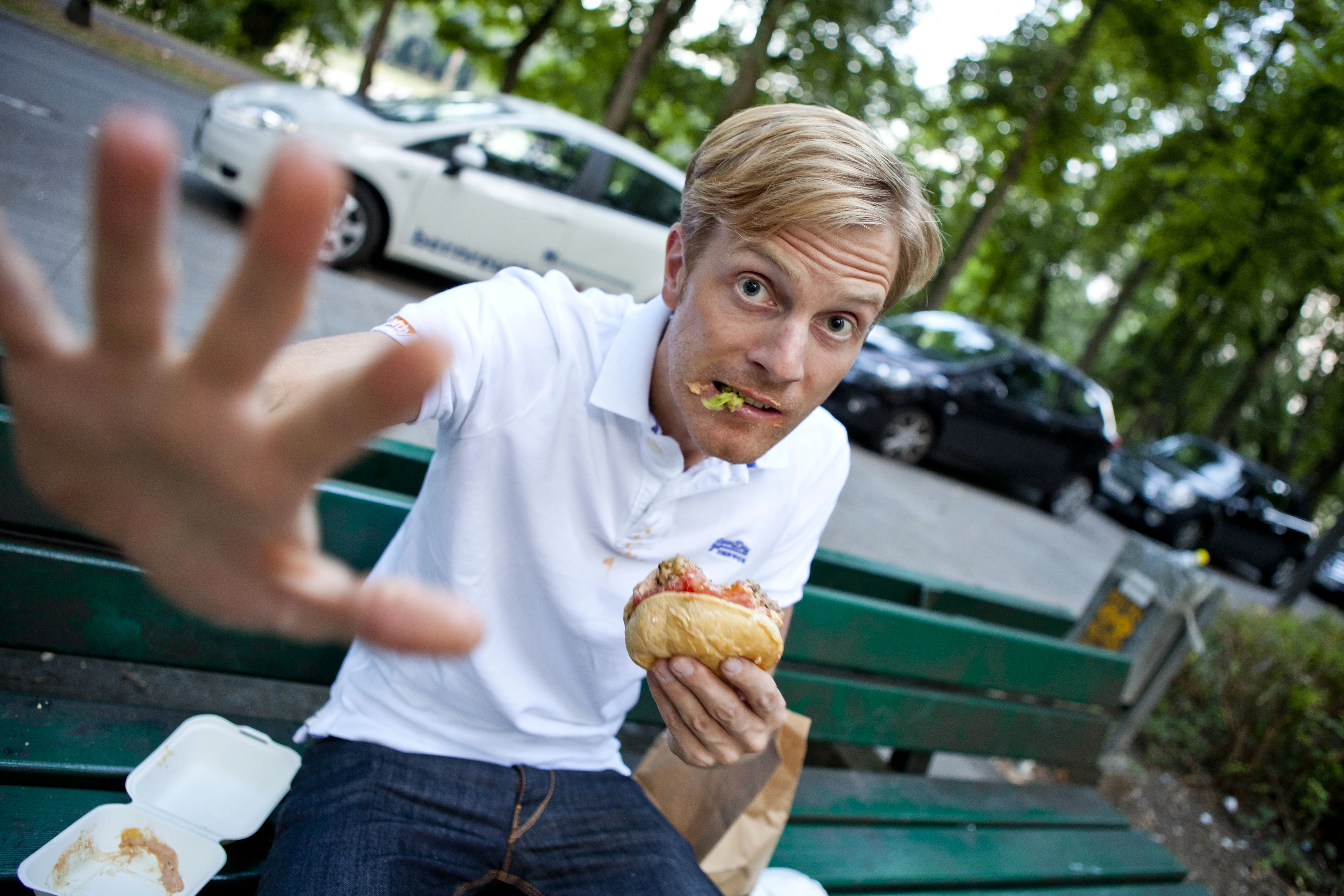
Image from Wikipedia
Image from Wikipedia
Philipp Walulis: The satirist who dissects German media formats
A sharp observer between radio, television, and digital public life
Philipp Walulis is one of the most distinctive voices in German media and TV satire. Born on August 5, 1980, in Starnberg, he evolved from a radio man to a moderator, author, and satirist with his own unmistakable style. His career exemplifies analytical wit, precise criticism of formats, and the rare insight behind the scenes of the entertainment industry. ([de.wikipedia.org](https://de.wikipedia.org/wiki/Philipp_Walulis))
Biography: From the Munich studies to a media career
Walulis studied theater and communications science as well as psychology in Munich before entering media practice in 2004 at the radio station M94.5. Through the BR youth programs on3 and Zündfunk, he embarked on a career early on marked by satire, a sense of language, and media-critical thinking. It is here that the foundation for his later work is evident: a fine sensitivity to staging, tonality, and the mechanics of public attention. ([turi2.de](https://www.turi2.de/index-2/koepfe/walulis-philipp/))
The first steps: Radio, parody, and the breakthrough with “Aggro Grünwald”
A significant early highlight was the satire project “Aggro Grünwald – Die Stehkrägen” in 2007, which Walulis developed together with colleagues from M94.5. With invented snob characters, a deliberately exaggerated attitude, and the rap video “Eure Armut kotzt uns an,” he created a parody of the Munich elite that several media initially believed was real. For this media deception and pinpoint satire, Walulis was awarded the local television prize by the Bavarian Regulatory Authority for New Media in 2009. ([de.wikipedia.org](https://de.wikipedia.org/wiki/Philipp_Walulis))
This period marks the stylistic core of his work: Walulis deconstructs surfaces, imitates formats so precisely that their mechanics become visible, and simultaneously holds a mirror up to the audience. His satire thrives not only on punchlines but also on analysis, timing, and a precise observation of media logics. He established a signature style early on that has rarely been so consistently present in German television. ([de.wikipedia.org](https://de.wikipedia.org/wiki/Philipp_Walulis))
Television career: From “MyPokito” to “Walulis sieht fern”
Between 2008 and 2010, Walulis hosted the daily live show “MyPokito” on RTL II. Following this, he worked at münchen.TV, where he co-hosted the talk show “Philipp und Philipp unterhalten sich” with Philipp Seidel, and served as a reporter for “DASDING.tv” at the Southwestern Broadcasting Corporation. These years sharpened his sense for live dynamics, conversation management, and working in front of the camera. ([de.wikipedia.org](https://de.wikipedia.org/wiki/Philipp_Walulis))
At the end of 2011, the television satire “Walulis sieht fern” premiered on Tele 5, shortly after airing on EinsPlus and eventually in the ARD realm. The format satirized classic TV patterns, scripted reality, news programs, and popular entertainment forms, often highlighting production conditions and scripting mechanisms. In 2012, the show received the Grimme Award in the entertainment category; the jury praised its precise observation and value as a contribution to media criticism and media education. ([de.wikipedia.org](https://de.wikipedia.org/wiki/Walulis_sieht_fern))
Digital transformation: “Walulis” on YouTube and the leap into the streaming era
Since 2016, Walulis has increasingly shifted his satire into the digital realm, hosting the show “Walulis” on YouTube for funk. The successor format to “Walulis sieht fern” critically engages with television shows, current topics, and YouTubers, while opening up more to interaction with an online community. With “Make The Internet Great Again By Philipp Walulis,” he made the transformation of his own format the subject of discussion and transparently explained the development of his project. ([de.wikipedia.org](https://de.wikipedia.org/wiki/Philipp_Walulis))
In 2019, “Walulis Daily,” a daily format featuring political satire, was launched. This was followed by “Walulis Woche” for SWR Fernsehen and ARD Mediathek, before the video podcast format “Walulive” began streaming live on YouTube up to twice a week starting January 2024. Since July 2025, new ad-funded episodes have also been released on the “Walulis” channel. This demonstrates that Walulis does not stick to established patterns but consistently adapts his formats to new distribution channels. ([de.wikipedia.org](https://de.wikipedia.org/wiki/Philipp_Walulis))
Style and signature: Media criticism with wit, structure, and precision
Walulis’ style is based on formal accuracy. He employs parody, reenactment, commentary, and a clear dramatic structure that reveals the mechanics of media formats. Particularly striking is his dry humor, which never merely mocks but exposes the production logic, repetitions, and narrative patterns of popular formats. ([de.wikipedia.org](https://de.wikipedia.org/wiki/Walulis_sieht_fern))
Content-wise, his work navigates between satire, media education, and cultural criticism. Whether it’s television, YouTube, or current news: Walulis is interested in how public discourse is constructed. This perspective makes him a relevant chronicler of a media landscape where staging, reach, and self-reference increasingly intertwine. ([de.wikipedia.org](https://de.wikipedia.org/wiki/Walulis_%28Websendungen%29))
Awards and Recognition
The list of awards underscores his significance in the German media scene. In addition to the local television prize and the Grimme Award, Walulis was honored in 2015 as a Culture and Creative Pilot of Germany; in 2018 he received a television award in the category “Best Web Channel” from the specialist magazine Quotenmeter. These awards document not only popularity but also institutional recognition for a form of satire that combines entertainment and analysis. ([de.wikipedia.org](https://de.wikipedia.org/wiki/Philipp_Walulis))
Cultural Influence: Why Walulis remains important in the German-speaking media space
Philipp Walulis has significantly shaped German media criticism within the entertainment format. His work early on demonstrated that satire in the digital age can be more than just a punchline: it can provide structural criticism, deconstruct formats, and educate audiences simultaneously. Particularly in the tension between linear television, media libraries, and platform culture, his approach remains highly relevant. ([de.wikipedia.org](https://de.wikipedia.org/wiki/Philipp_Walulis))
His career also exemplifies successful media migration. From radio to television to live streaming on YouTube, Walulis has consistently placed his topics where the audience is watching, scrolling, or commenting. This adaptability lends ongoing presence to his work and establishes him as a fixed point in the German-speaking satire and media cosmos. ([de.wikipedia.org](https://de.wikipedia.org/wiki/Philipp_Walulis))
Conclusion: A satirist with analytical sharpness and endurance
Philipp Walulis remains intriguing because he not only comments on media but also makes their functionality visible. His career combines humor, precision, and awareness of formats at a high level. Those who want to understand how German entertainment works will find in his work a school of observation that is both clever and entertaining. A live appearance or a current streaming format from Walulis is worth it for anyone who appreciates satire with intellect and pace. ([de.wikipedia.org](https://de.wikipedia.org/wiki/Philipp_Walulis))
Official channels of Philipp Walulis:
- Instagram: No official profile found
- Facebook: No official profile found
- YouTube: No official profile found
- Spotify: No official profile found
- TikTok: No official profile found