
Tyske Ludder
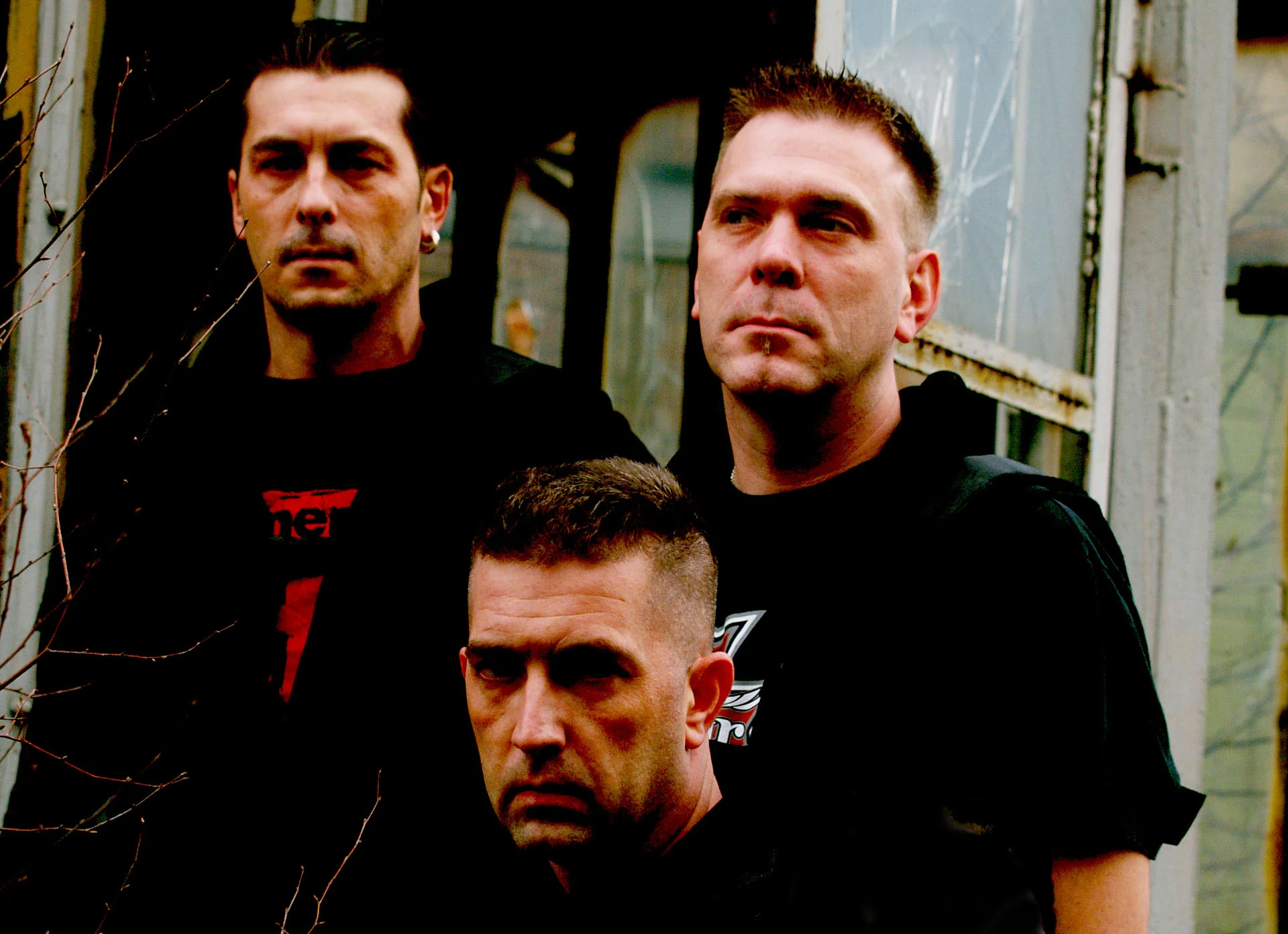
Image from Wikipedia
Image from Wikipedia
Tyske Ludder – EBM, Industrial and Political Friction from Northern Germany
The German electronic band with stance, pressure, and historical sharpness
Tyske Ludder has been one of the defining names of the German EBM and Industrial scene since the early 1990s. The band formed in 1989 in Lower Saxony, emerging from the wave and New Romantic environment, and early on developed a sound that combines technoid rhythms, hard electronics, and provocative, socially critical lyrics. Even the name itself is programmatic: edgy, intentionally irritating, and from the very beginning designed for friction. ([de.wikipedia.org](https://de.wikipedia.org/wiki/Tyske_Ludder))
Biography: From Scene Project to Established Presence in the Electronic Landscape
The story of Tyske Ludder is closely intertwined with the history of German electronic music. Claus Albers and Olaf A. Reimers founded the band as its core, later joined by additional musicians and production partners; today, the lineup with Claus Albers, Olaf A. Reimers, Jay Taylor, and Sebastian I. Hartmann continues this legacy. Emerging from the wave and New Romantic scene, the band crystallized a clearer orientation towards EBM while consistently placing political and social themes at the forefront. ([de.wikipedia.org](https://de.wikipedia.org/wiki/Tyske_Ludder))
Early lyrics dealt with technology, the Yugoslav Wars, and the military enforcement of U.S. interests. Tyske Ludder positioned itself not merely as a dance floor band but as a politically charged voice within electronic club culture. By the end of the 1990s, two albums and one EP had been released, while live performances remained comparatively rare, further sharpening the band's reputation as a cultivated yet never polished figure in the scene. ([de.wikipedia.org](https://de.wikipedia.org/wiki/Tyske_Ludder))
The Early Breakthrough: Bombt die Mörder? and Dalmarnock
With Bombt die Mörder? and Dalmarnock, the band laid the foundation in the mid-1990s for its later status as an EBM institution. Especially Dalmarnock stood out with tracks like “Monotonie,” “Hexenjagd,” and “Extrem,” featuring hard sequences, powerful arrangements, and lyrics that clearly oppose oppression, extremism, and social brutality. The later vinyl re-release of the album underscores how vibrant these early works remain to this day. ([de.wikipedia.org](https://de.wikipedia.org/wiki/Tyske_Ludder))
In retrospect, this phase appears as a crystallization of an artistic program: electronic hardness, precise production, and a lyrical approach that comments rather than decorates. Media like medienkonverter.de described the band at the time as unadapted and shocking, yet also as intelligent and pointed in its lyrics. This balancing act between club suitability and thematic sharpness made Tyske Ludder distinctive in the scene. ([de.wikipedia.org](https://de.wikipedia.org/wiki/Tyske_Ludder))
Creative Hiatus, Return, and New Production Phase
After a longer hiatus, Tyske Ludder returned with a label change to Black Rain and released the album Sojus in 2006 and the SCIENTific technOLOGY E.P. in 2008. This return was not a nostalgic rehash but a clear modernization of their sound. The band remained true to its line but worked with fresher pressure, more contemporary production, and a continued clear thematic focus on power, technology, and control. ([de.wikipedia.org](https://de.wikipedia.org/wiki/Tyske_Ludder))
Later releases like Anonymous (2009), Diaspora (2011), and Evolution (2015) show a band that seeks its musical development not through stylistic changes, but by condensing and refining its sound. On stage, this development was equally consistent: Tyske Ludder reinforced its reputation for live shows with clear dramaturgy, powerful beats, and a presence fueled by political energy and electronic rigor. ([de.wikipedia.org](https://de.wikipedia.org/wiki/Tyske_Ludder))
Current Projects: Weltenbühne, Singles, and Live Activity
In 2025, the band announced the album Weltenbühne, a tribute to Kurt Tucholsky, based on the poet's poems and texts. The official website and Bandcamp describe the work as a concept album that translates Tucholsky's satirical and politically sharp perspective into a modern electronic format. The preview singles “Der Graben,” “Rosen auf den Weg gestreut,” and “Wahre Liebe” already show that Tyske Ludder continues to intertwine literary themes with dark electro, industrial, and EBM. ([tyske-ludder.com](https://tyske-ludder.com/musik?utm_source=openai))
The band will also release the Weimar Trilogy in 2025 and plans or plays numerous concerts and festival appearances, including major names in the scene like M’era Luna, NCN, and Wave-Gotik-Treffen. This underscores their ongoing relevance in the live sector and proves that Tyske Ludder is not just relying on its history, but remains an active, touring force in the European electronic and gothic environment. ([tyske-ludder.com](https://tyske-ludder.com/shows?utm_source=openai))
Discography: From EBM Classics to the Literary Concept Album
The discography of Tyske Ludder reflects a long development between scene authority and experimental continuation. Key albums include Bombt die Mörder? (1994), Dalmarnock (1995), Sojus (2006), Anonymous (2009), Diaspora (2011), Evolution (2015), and Weltenbühne (2025). This body of work is complemented by EPs like Creutzfeld E.P., SCIENTific technOLOGY, Bambule, Ungewiss, Kaputt, Transformation, and the current trilogy surrounding Weltenbühne. ([de.wikipedia.org](https://de.wikipedia.org/wiki/Tyske_Ludder))
Of particular importance for the band's perception are individual tracks that have become scene favorites over the years: “Monotonie,” “Hexenjagd,” “Bastard,” “Thetanen,” “Psychoaktiv,” “Friesland Ultras,” or “Der Graben.” These titles exemplify how consistently Tyske Ludder operates between aggressive rhythm, dark atmosphere, and provocative lyrics. Their music thrives on clear structure, synthetic pressure, and production that is never easy-going but always precise. ([de.wikipedia.org](https://de.wikipedia.org/wiki/Tyske_Ludder))
Style and Musical Development: EBM with a Political Core
Stylistically, Tyske Ludder represents a blend of EBM, Industrial, and Dark Electro, drawing from pulsating sequences, crisp beats, and often martial soundscapes. The band anchors this music in clear themes: power, surveillance, ideology, war, alienation, and technological dominance. This makes their catalog not just a collection of songs but an ongoing commentary on the political and social present. ([de.wikipedia.org](https://de.wikipedia.org/wiki/Tyske_Ludder))
Particularly the current album Weltenbühne shifts the focus to literary depth. Tucholsky provides not only texts but also an attitude that thrives on satire, pain, and resistance. Tyske Ludder translates this template into electronic arrangements that oscillate between melancholic coolness and harsh energy, thereby elevating their musical development to a new level. ([tyskeludder.bandcamp.com](https://tyskeludder.bandcamp.com/album/weltenb-hne?utm_source=openai))
Cultural Influence: Scene Institution Instead of a Fleeting Trend
Tyske Ludder has not established itself as a hit machine in the classical sense, but as a sustainable presence in the scene. The band is repeatedly described as an EBM institution, pioneer, or formative voice in German electronic music, which solidifies its cultural significance beyond individual releases. Crucial is the combination of musical rigor and thematic stance, which is executed consistently by only a few groups in the German electronic landscape. ([tyske-ludder.com](https://tyske-ludder.com/blogs/tyske-ludder-blog/posts/7499641/dalmarnock-album-jetzt-auch-auf-vinyl-tyske-ludders-2-album-auf-gruner-rille?utm_source=openai))
Moreover, the re-releases and current activities show that the work of Tyske Ludder is not only archived but kept alive. Vinyl editions, new singles, a literary concept album, and a visible presence at festivals make it clear: this is not a nostalgic remnant, but a band with ongoing relevance. Those searching for Industrial, EBM, and political songwriting will find a distinctly clear signature with Tyske Ludder. ([tyske-ludder.com](https://tyske-ludder.com/blogs/tyske-ludder-blog/posts/7499641/dalmarnock-album-jetzt-auch-auf-vinyl-tyske-ludders-2-album-auf-gruner-rille?utm_source=openai))
Conclusion: Why Tyske Ludder Remains Exciting to This Day
Tyske Ludder combines electronic hardness with lyrics that show a stance and reflect cultural debates. The band has built an identity over decades that oscillates between club, literature, politics, and scene history, without losing its impact. This blend of experience, authority, and artistic curiosity makes Tyske Ludder a band that should not only be heard but experienced live. ([de.wikipedia.org](https://de.wikipedia.org/wiki/Tyske_Ludder))
Official Channels of Tyske Ludder:
- Instagram: no official profile found
- Facebook: no official profile found
- YouTube: no official profile found
- Spotify: no official profile found
- TikTok: no official profile found