
Visar Morina
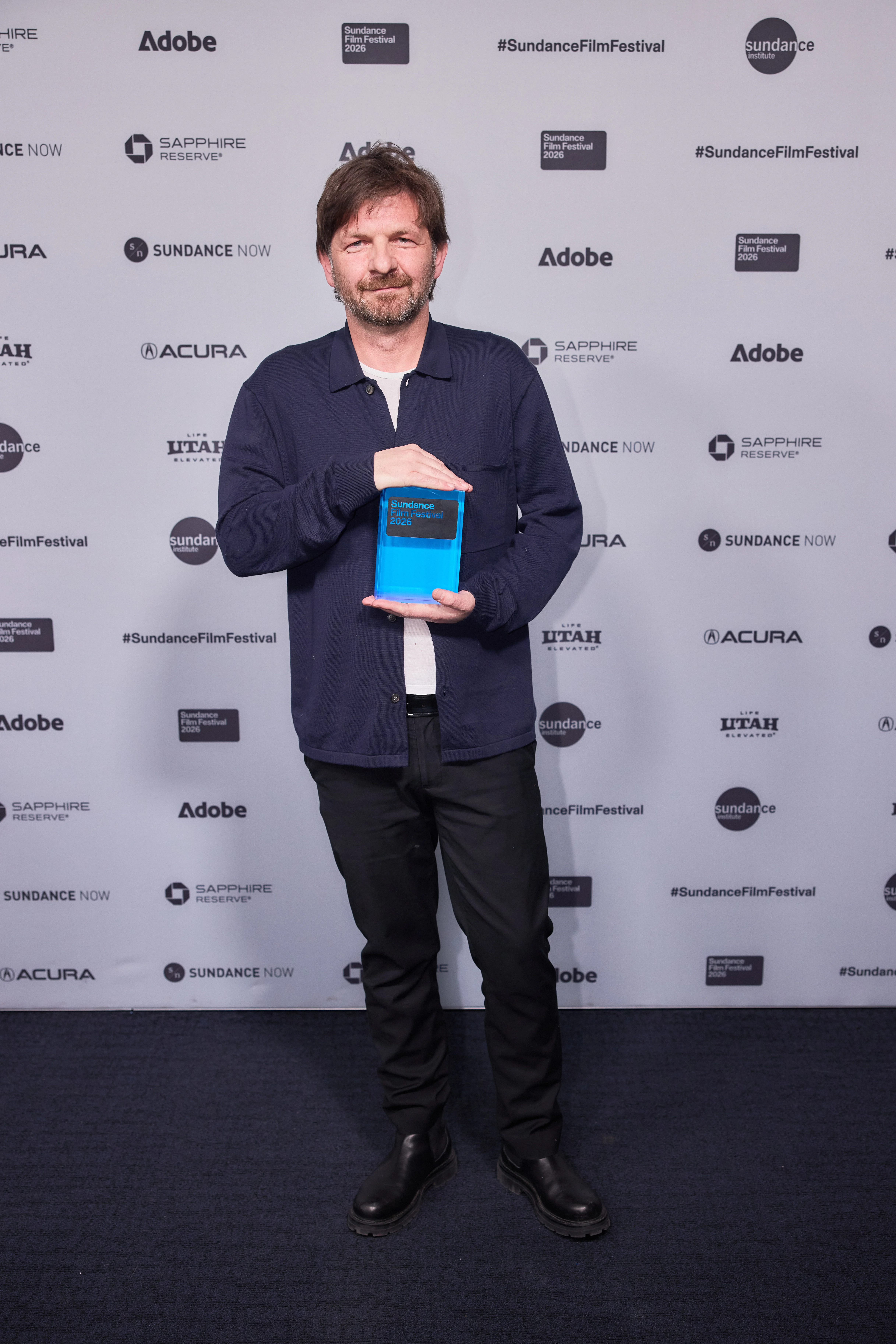
Image from Wikipedia
Image from Wikipedia
Visar Morina: The Precise Observer of European Cinema Between Origin, Identity, and Cinematic Tension
A Director Who Shapes Strong Imagery from Personal Border Experiences
Visar Morina, born in 1979 in Pristina, Kosovo, is one of the most distinctive voices in German-Kosovar cinema. Since his youth, he has lived in Germany and works as a film director and screenwriter with a clear sense for psychological tension, social friction, and the fractures of belonging. His films oscillate between intimacy and societal diagnosis, migration experience and precise character portrayal. ([imdb.com](https://www.imdb.com/name/nm4631348/bio/?utm_source=openai))
Biography: Education, Artistic Influences, and the Path to Cinema
Morina studied film at the Academy of Media Arts in Cologne from 2004 to 2010 and worked during this time on film and theater projects, including as an assistant director at Schauspiel Köln and Volksbühne Berlin. This dual influence from cinema and theater is clearly evident in his later work: his productions possess a controlled stage presence as well as a dense, cinematic observation of glances, gestures, and power dynamics. His career trajectory shows a director who early on connected dramaturgical precision with a socially charged view of characters. ([visarmorina.de](https://www.visarmorina.de/start))
His graduation film Der Schübling was awarded internationally and premiered at the Max Ophüls Preis Film Festival; the film was also broadcast on ARTE. The subsequent short film Of Dogs and Wall Paper was selected for Locarno in 2013 and nominated for the German Short Film Award in 2014. This early festival presence established Morina as an author with high formal control and as a filmmaker whose works focus not on effect but on density and atmosphere. ([visarmorina.de](https://www.visarmorina.de/start))
Breakthrough with Babai: A Debut Film with Great Resonance
With his first feature film Babai, Morina achieved international recognition in 2015. The film was awarded as best director at the Karlovy Vary International Film Festival and won several prizes, including for direction, screenplay, and acting at the Munich Film Festival. Morina also received the MFG Star 2016 for this work, which was described as strikingly relevant and highlights the powerlessness of a child within the tension of hope, loss, and migration. ([visarmorina.de](https://www.visarmorina.de/start))
Babai was also submitted as Kosovo's entry for the Oscar in the Best Foreign Language Film category. The film tells the story of a father and his son in an environment marked by social insecurity and combines family drama with a fundamental political tension. This is precisely where Morina's strength lies: he transforms concrete life realities into universal cinema without flattening or exoticizing his characters' origins. ([en.wikipedia.org](https://en.wikipedia.org/wiki/Babai_%28film%29?utm_source=openai))
Exile: Paranoia, Work Environment, and the Psychology of Exclusion
His second feature film Exile premiered at the Sundance Film Festival in 2020 and was showcased in the Berlinale Panorama. In an interview, Morina explained that he primarily focused on creating an atmosphere rather than a conventional narrative structure; at the center is the feeling of being trapped within one’s own gaze. This is how the film derives its impact: it depicts a man who increasingly feels threatened and excluded in a work environment shaped by Germany. ([cineuropa.org](https://cineuropa.org/en/interview/384714/))
The response to Exile was strong. At the Sarajevo Film Festival, the film won the main prize, the “Heart of Sarajevo” for best film, and Morina also received an award from Cineuropa for best director. Critics emphasized the oppressive social dimension of the film, portraying alienation not as an abstract theme but as an everyday experience within hierarchies, gazes, and misunderstandings. This further deepened Morina's reputation as an author of contemporary European cinema, whose works do not merely explain social tensions but make them palpable. ([koha.net](https://www.koha.net/en/kulture/filmi-exil-i-visar-morines-fiton-cmimin-kryesor-ne-festivalin-e-sarajeves))
Recent Projects: Continuity of a Clear Signature
Morina's current cinematic development continues the trajectory of his previous works. His official website lists not only Babai and Exile, but also the upcoming project Shame and Money and earlier short films such as Sirenen and Of Dogs and Wall Paper. These entries reveal an artist who sharpens his profile not through quantity but through concentration: few works, but distinctly outlined, festival-sensitive, and dramaturgically precise. ([visarmorina.de](https://www.visarmorina.de/start))
Style and Signature: Reduction, Tension, and Precise Character Guidance
Visar Morina's style thrives on reduction and accuracy. His films rely on controlled pacing, psychological compression, and a visual language that transforms everyday spaces into places of inner insecurity. He combines screenwriting and direction into a cohesive artistic form: dialogues remain concise, conflicts often lie beneath the surface, and the arrangement of characters creates a tension that resonates long after viewing. ([cineuropa.org](https://cineuropa.org/en/interview/384714/))
Thematically, his signature is unmistakable. Morina repeatedly works with characters caught between origin and present, self-image and external perception. This makes his cinema particularly relevant for viewers seeking European contemporary films where identity is not just a buzzword but a vivid and conflict-ridden experience. His artistic development showcases an author who shapes his own cinematic language from personal and societal tensions. ([cineuropa.org](https://cineuropa.org/en/interview/384714/))
Filmography in a Cinematic Sense: Important Works and Festival Successes
Central works by Morina include the short films Sirenen, Der Schübling, and Of Dogs and Wall Paper, as well as the feature films Babai and Exile. This filmography reflects a clear development: from an award-winning short film to an internationally recognized feature debut, culminating in a second feature film that is politically and psychologically even more condensed. His festival appearances range from Odense to Locarno, Karlovy Vary, Munich Film Festival, Sundance, Berlinale, and Sarajevo. ([visarmorina.de](https://www.visarmorina.de/start))
In critical reception, Morina appears as a director who combines European festival aesthetics with clear social observation. His works have been awarded, nominated, and presented on major platforms because they focus not on mere expressions of zeitgeist but on precisely narrated conflicts. This imparts cultural value and remarkable durability to his filmography. ([filmstiftung.de](https://www.filmstiftung.de/news/mfg-star-visar-morina-fuer-babai/))
Cultural Influence: A Filmmaker Between Kosovo and Germany
Morina's significance also lies in his position between the cultural spaces of Kosovo and Germany. His films carry the experiences of migration, language, and belonging not as decoration but as structural principles. This makes his work interesting for an audience looking in European cinema for characters whose conflicts are socially readable and simultaneously emotionally immediate. ([cineuropa.org](https://cineuropa.org/en/interview/384714/))
Both Babai and Exile demonstrate how strongly Morina can translate social reality into cinematic tension. He does not stage loud thesis films but rather precisely constructed dramas about vulnerability, distrust, and the search for recognition. This distinguishes him: he is among those authors who connect European arthouse cinema with emotional power and political sharpness. ([filmstiftung.de](https://www.filmstiftung.de/news/mfg-star-visar-morina-fuer-babai/))
Conclusion: Why Visar Morina Remains So Exciting
Visar Morina is a director for viewers who seek not just plot but attitude in cinema. His works are precisely observed, formally concentrated, and humanly stirring. Those wishing to experience European contemporary cinema in its most intelligent form will find in Morina's films an author who connects origin, identity, and social friction with exceptional accuracy and emotional strength. ([visarmorina.de](https://www.visarmorina.de/start))
Official Channels of Visar Morina:
- Instagram: No official profile found
- Facebook: No official profile found
- YouTube: No official profile found
- Spotify: No official profile found
- TikTok: No official profile found
Sources:
- Visar Morina – Official Website
- Wikipedia – Visar Morina
- VATMH – Visar Morina
- Film and Media Foundation NRW – MFG Star to Visar Morina for "Babai"
- Cineuropa – Visar Morina, Director of Exile
- KOHA.net – Exile wins the main prize at the Sarajevo Film Festival
- KOHA.net – Film report and festival award for Exile
- Wikipedia: Image and text source