
Voivod
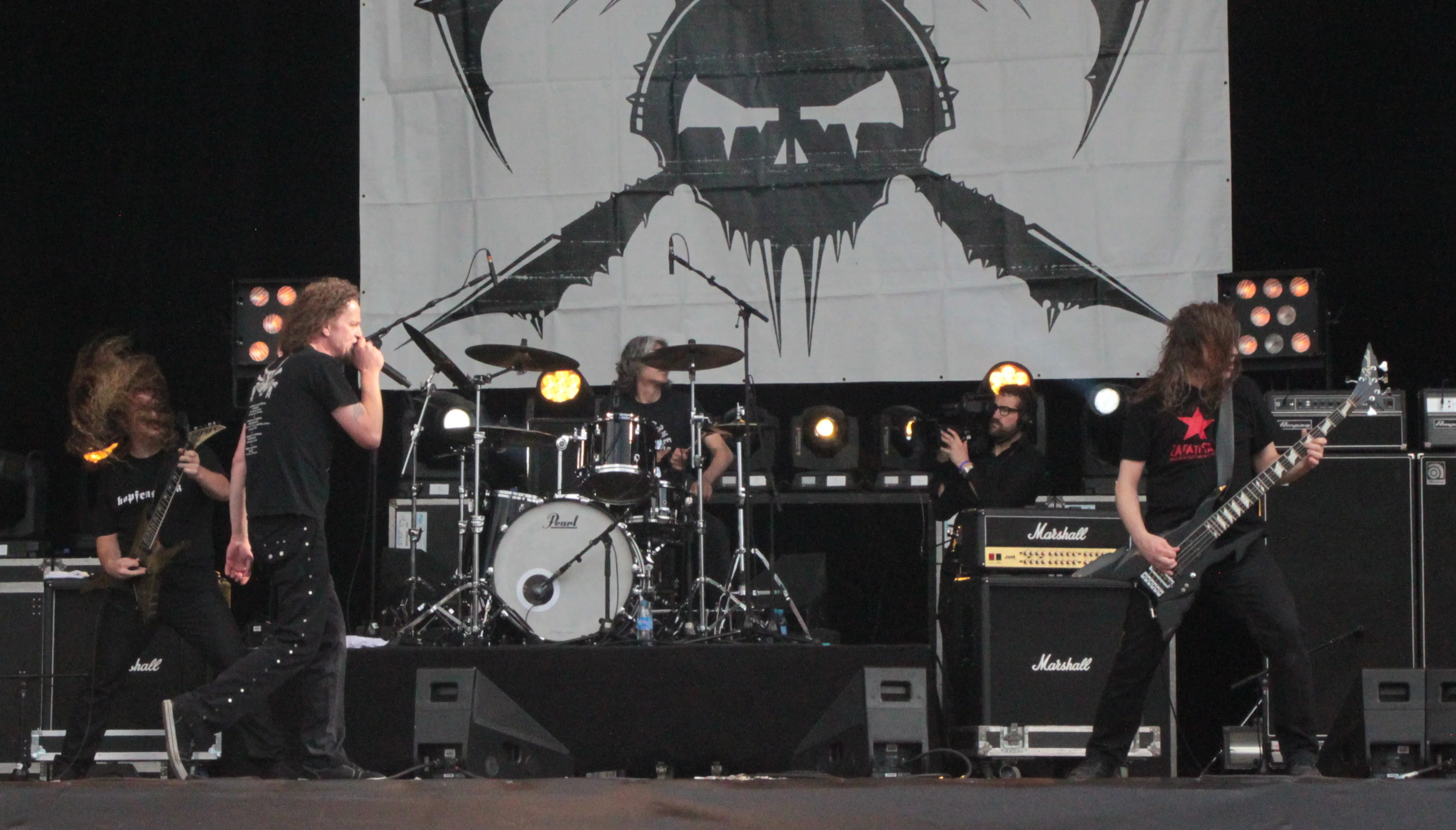
Image from Wikipedia
Image from Wikipedia
Voivod – the Canadian sci-fi metal pioneers between thrash, prog, and visions of the future
A band that rethinks metal
Voivod is one of the most distinctive formations in metal history. The Canadian band from Jonquière, Québec, evolved from thrash metal towards progressive metal, early combining this foundation with industrial, electronic, and cyberpunk influences. The themes of their lyrics – nanotechnology, virtual realities, apocalyptic worlds, and technological alienation – made Voivod an exceptional phenomenon in the international metal cosmos. ([voivod.com](https://www.voivod.com/en/bio?utm_source=openai))
The name Voivod, also spelled as Voïvod, VoiVod, or Voi Vod, has stood for creative independence, conceptual consistency, and a sound language that has never been satisfied with mere heaviness for decades. Instead of repeating conventions, the band continually reinvented their sound – from the raw early phase to the complex classics of the late 1980s to their current orchestral experiments. ([de.wikipedia.org](https://de.wikipedia.org/wiki/Voivod?utm_source=openai))
The beginnings: From underground to their own mythology
Voivod emerged during an era when thrash metal was just taking shape. The official band profile describes the group as visionaries who clearly separated themselves from the metallic mainstream in the early 1980s. Their first demo, To the Death, was released in 1984 and consisted almost entirely of original compositions – an early sign of their high standards in composition and artistic control. ([de.wikipedia.org](https://de.wikipedia.org/wiki/Voivod?utm_source=openai))
Early on, drummer Michel “Away” Langevin not only shaped the rhythmic foundation but also the imagery and mythology of the band. He developed the science fiction and post-apocalyptic world around which Voivod originally formed, significantly contributing to the project's distinctive identity. This connection of music, storytelling, and visual art remains a core element of their authority to this day. ([voivod.com](https://www.voivod.com/en/bio?utm_source=openai))
The breakthrough: From War and Pain to Nothingface
With War and Pain (1984), Voivod made their international debut on Metal Blade. AllMusic describes the early albums as the starting point of a “shapeshifting” sound aesthetic, which became distinctly more defined on Rrröööaaarrr (1986) and Killing Technology (1987). Particularly, Killing Technology marked the shift away from pure Venom and thrash heritage towards more complex forms, unusual guitar structures, and a notably more progressive dramaturgy. ([allmusic.com](https://www.allmusic.com/artist/voivods-mn0000186096?utm_source=openai))
Dimension Hatröss further expanded this development, anchoring the band concept even deeper within a futuristic narrative universe. The video for “Tribal Convictions” is considered a key moment of their breakthrough, as it visually elevated the band from the underground. With Nothingface, Voivod ultimately achieved their greatest commercial success; the album gained them international attention and even chart presence. ([de.wikipedia.org](https://de.wikipedia.org/wiki/Dimension_Hatr%C3%B6ss?utm_source=openai))
Style development: Progressive metal with a cosmic signature
Voivod has never been a band that can be reduced to a single genre. The official biography describes the early phase as a mix of prog-thrash, followed later by psychedelic and experimental soundscapes, such as those found on The Outer Limits. This is where the band's strength lies: riffs, time changes, dissonant harmonies, and a often unpredictable arrangement system merge into music that is equally aggressive, intellectual, and atmospheric. ([voivod.com](https://www.voivod.com/en/bio?utm_source=openai))
Their lyrics and titles reference technology, alienation, and dystopian futures. This gives Voivod a closeness to cyberpunk without tipping into mere stylistic exercise. Instead, they create their own cosmos where societal fears, machine logic, and science fiction become a cohesive aesthetic world. This artistic development keeps them relevant to pro-metal fans, thrash listeners, and avant-garde enthusiasts alike to this day. ([de.wikipedia.org](https://de.wikipedia.org/wiki/Voivod?utm_source=openai))
Losses, new beginnings, and the stabilization of the present
The band survived significant upheavals, including the death of guitarist and songwriter Denis “Piggy” D'Amour in 2005. The official band profile emphasizes that Voivod then embarked on a new chapter with the remaining original members Denis “Snake” Bélanger, Michel “Away” Langevin, and Jean-Yves “Blacky” Thériault. Since 2008, Daniel “Chewy” Mongrain has been playing guitar and providing vocal harmonies, established as a smart, technically adept successor to Piggy. ([voivod.com](https://www.voivod.com/en/bio?utm_source=openai))
With Target Earth, the band noticeably returned to their progressive roots in 2013, while subsequent releases continued to affirm their experimental spirit. The official website also notes a phase that has been perceived by fans and press as a renewed peak of creativity. This combination of historical continuity and modern relevance explains why Voivod is not seen as a nostalgic legacy band. ([voivod.com](https://www.voivod.com/en/bio?utm_source=openai))
Discography: Classics, re-recordings, and live formats
Voivod's discography includes numerous studio albums, live releases, and special formats. Their official pages list titles such as War and Pain, Rrröööaaarrr, Killing Technology, Dimension Hatröss, Nothingface, The Outer Limits, Target Earth, The Wake, Synchro Anarchy, Morgöth Tales, and now Symphonique. The official discography thus documents not only a long career but also a remarkable stylistic range. ([voivod.net](https://voivod.net/discography/?utm_source=openai))
Particularly The Wake received chart recognition on the official band page: the album reached number 26 in Germany, 51 in Switzerland, 94 in Belgium-Wallonia, and appeared on the New Artist and overall charts in the USA. Synchro Anarchy also gained additional visibility when Voivod received a JUNO Award in the category “metal/hard music album of the year.” Such successes underscore that the band is not only influential in style but still prestigious. ([voivod.com](https://www.voivod.com/en/bio?utm_source=openai))
Current projects: Symphonique, video game, and new future plans
Currently, Symphonique shapes the present of the band. This work is Voivod’s first live album with a symphonic orchestra; it was recorded on June 4, 2025, with the Orchestre Symphonique de Québec under Dina Gilbert at the Grand Théâtre de Québec and is set to be released worldwide on June 5, 2026. This is not just a release but also a programmatic statement: Voivod is once again expanding their sound and reinterpreting their own repertoire as a grand orchestral form. ([voivod.com](https://www.voivod.com/en/home))
In parallel, the band is working on additional projects, including the official video game Voivod: The Nuclear Warrior. The website also mentions a new book, Always Moving — The Strange Multiverse of Voïvod, as well as ongoing tour dates for 2026 and beyond. This illustrates a band that is not retreating into its history but is extending its own mythology across media. ([voivod.com](https://www.voivod.com/en/home))
Cultural influence: From metal underground to canonical reference
Voivod is today considered one of the most influential Canadian metal bands of all time. Their blend of thrash metal, progressive metal, and futuristic concept art has provided critical impetus to later bands from the prog, extreme, and avant-garde spectrum. The official website and more recent press highlight that Voivod is increasingly described in hindsight as pioneers of prog metal. ([voivod.com](https://www.voivod.com/en/home))
Recent reporting also shows how vibrant the reception remains. In current articles about band history, concert reviews, and new releases, Voivod is described as a group that accidentally became prog trailblazers or continually challenges their audience with each new phase. This mix of respect, wonder, and historical significance underscores the cultural value of the band. ([voivod.com](https://www.voivod.com/en/home))
Voices of the fans
The public reactions also reflect the band's status as a cult reference. In comments on an official Facebook post, listeners mention favorite albums such as Negatron and Phobos or recall how profoundly Voivod's experimental phase has influenced them. Such reactions demonstrate a loyal, cross-generational fanbase that understands the band's evolution not as a break but as part of its identity. ([facebook.com](https://www.facebook.com/Voivod/posts/the-music-video-for-insect-released-in-1995-features-a-blend-of-live-action-and-/1188773915951038/?utm_source=openai))
Conclusion: Why Voivod continues to fascinate
Voivod is exciting because they have never stood still. Their musical career combines raw energy, technical sophistication, and a pronounced artistic vision into a discography that remains singular in metal history. Those who want to know how thrash metal can open towards progressive and experimental future music find in Voivod a textbook in band form. ([voivod.com](https://www.voivod.com/en/bio?utm_source=openai))
Especially live, Voivod reveals their full stage presence: precise, dark, surprising, and always with a hint of cosmic unease. The current tour dates and the symphonic chapter make it clear that this band remains relevant, curious, and willing to take risks in 2026 as well. Anyone who has never seen Voivod live should change that – for it is only there that their artistic development becomes truly tangible. ([voivod.com](https://www.voivod.com/en/home))
Official channels of Voivod:
- Instagram: https://www.instagram.com/voivodofficial/
- Facebook: https://www.facebook.com/Voivod
- YouTube: No official profile found
- Spotify: No official profile found
- TikTok: No official profile found